Collagen Oil
SKU VV25080803
From $15.99
Base oils for face oils, balms, emulsions and anhydrous serums, chosen by skin feel, fatty-acid profile and stability.
Browse professional-grade peptides and actives — shipped from Florida, USA
Showing 58 of 58 products
SKU VV25080803
From $15.99
SKU 670170
From $15.99
SKU VV17021711
From $15.99
SKU VG17091217
From $15.99
SKU TM20040611
From $15.99
SKU VG17052721
From $15.99
SKU VG17051819
From $15.99
SKU 670171
From $15.99
SKU VV25051903
From $15.99
SKU J90135
From $15.99
SKU TM20090602
From $15.99
SKU TM19042204
From $15.99
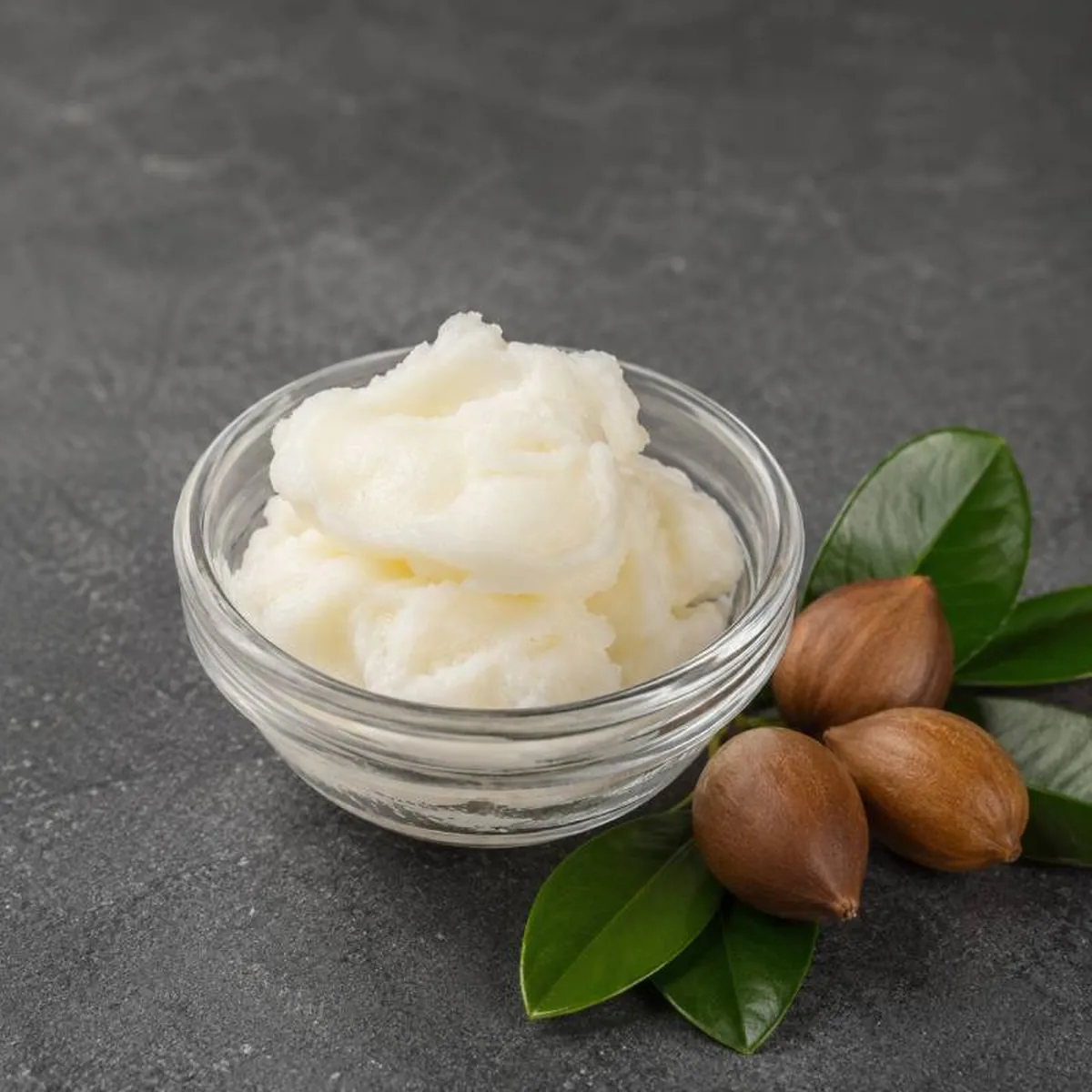
SKU 570028
From $9.99
SKU 670101
From $15.99
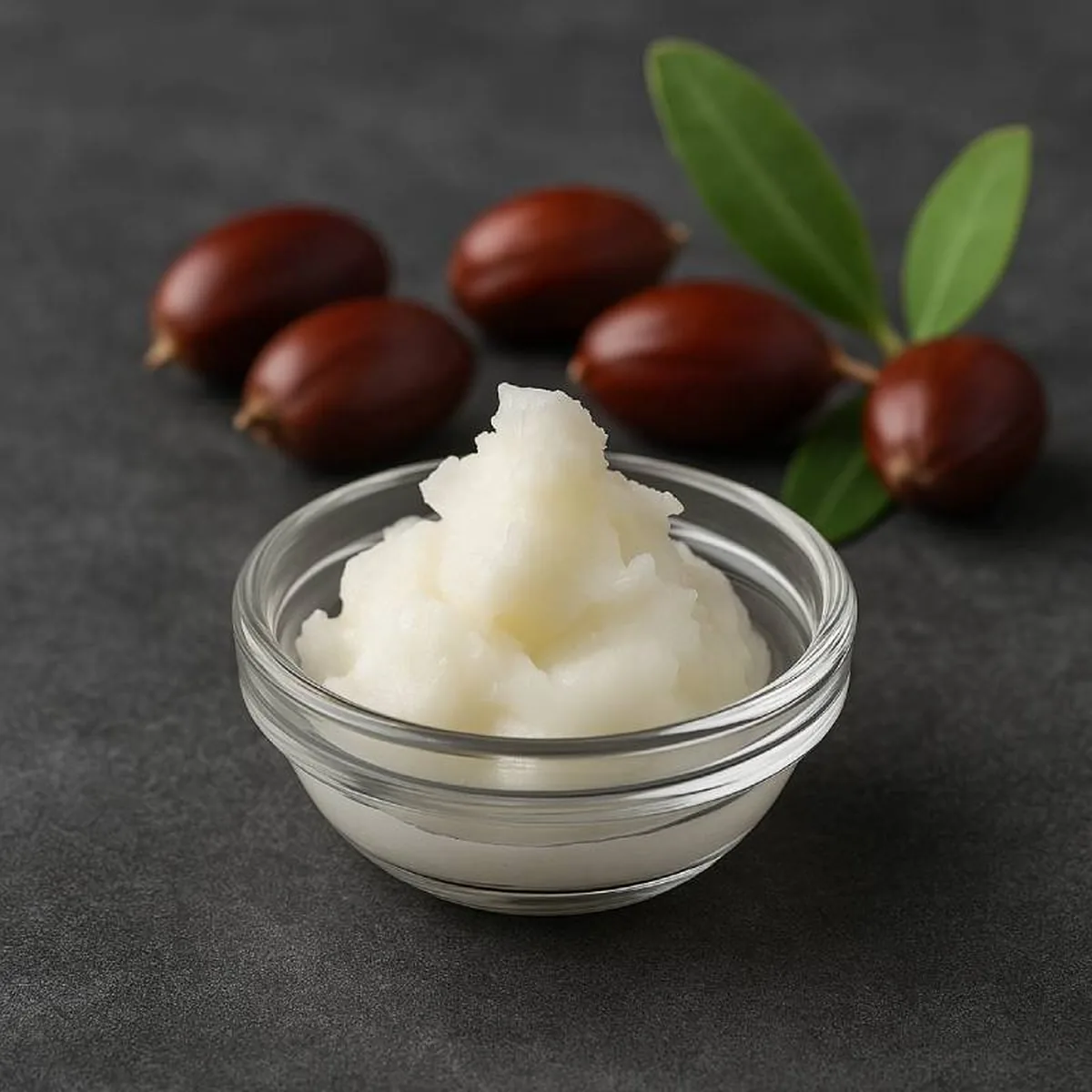
SKU 570047
From $9.99
SKU 670122
From $15.99
SKU J991001
From $15.99
SKU 670161
From $15.99
SKU VG17072017
From $15.99
SKU 670036
From $15.99
SKU 670003
From $15.99
SKU 670085
From $15.99
SKU 670050
From $15.99
SKU 670154
From $15.99
SKU 670134
From $15.99
SKU 670088
From $15.99
SKU 670089
From $15.99
SKU 670144
From $15.99
SKU TM17033108
From $15.99
SKU 670052
From $15.99
SKU VV17032905
From $15.99
SKU 670021
From $15.99
SKU 670078
From $15.99
SKU 670074
From $15.99
SKU 670086
From $15.99
SKU 670166
From $15.99
SKU 670141
From $15.99
SKU 670156
From $15.99
SKU 670158
From $15.99
SKU 670041
From $15.99
SKU TM17042602
From $15.99
SKU 670043
From $15.99
SKU 670119
From $15.99
SKU 670047
From $15.99
SKU 670139
From $15.99
SKU 670077
From $15.99
SKU 670135
From $15.99
SKU 670137
From $15.99
SKU 670159
From $15.99
SKU 670108
From $15.99
SKU TM19052401
From $15.99
SKU 670203
From $15.99
SKU TM21070721
From $15.99
SKU VG17052623
From $15.99
SKU TM20072309
From $15.99
SKU 570052
From $15.99
SKU TM17033001
From $9.99
SKU TM20012903
From $9.99
A carrier oil is the plant or plant-derived lipid that makes up most of a face oil, a balm or the oil phase of an emulsion. It sets the skin feel, the absorption speed and much of the shelf life, so it deserves the same attention as the actives it carries. Formulators usually pick by three things: how the oil feels on skin, its fatty-acid profile, and how well it resists oxidation.
Grape seed, camelina and other oils rich in linoleic acid feel light and sink in quickly. Squalane is a saturated hydrocarbon that feels dry and silky and is a favorite in face oils because it barely changes over time.
Avocado, macadamia and meadowfoam feel fuller and suit night oils, balms and creams for dry skin. Cosmetic jojoba oil is technically a liquid wax ester; it feels smooth rather than greasy and is very stable.
Oils high in linoleic and alpha-linolenic acid, such as rosehip seed oil, flax and camelina, are prized for their profile but oxidize faster. Protect them with an oil-soluble antioxidant such as tocopherol, keep headspace low, use dark or opaque packaging and avoid heating them longer than needed. Oils high in oleic acid and wax esters, like jojoba, macadamia and meadowfoam, are more forgiving and help stretch the shelf life of a blend.
Unrefined and virgin oils keep more of their natural color and scent; refined oils are paler, milder and more consistent from lot to lot. Unrefined grades suit natural-positioned face oils, while refined grades are easier in fragranced or color-sensitive products. Always check the CoA for the grade, acid value and peroxide value of your lot.
In anhydrous products such as face oils and balms, carrier oils can make up nearly the whole formula, with an antioxidant and any oil-soluble actives. In emulsions they form the oil phase together with emulsifiers and butters. Botanical CO2 extracts and oil-soluble actives from our actives catalog blend in easily. For water-based serums, pair an oil with hydrators such as Tamarind Seed Extract in a separate water phase.
Most face oils combine two to four carrier oils so the blend balances feel and stability. A common approach pairs a stable, silky base such as squalane or jojoba with a smaller share of a richer or more delicate oil such as rosehip seed, then adds tocopherol. Butters such as babassu add body in balms. Test the blend for odor and color over several weeks at room temperature and 40 °C, and store finished oils away from light.
Every oil comes with lot documentation. Orders ship from Florida, usually within 1 to 2 business days, and US shipping is free on orders of $50 or more. If you cannot find a specific oil, search the catalog by INCI or contact us for a quote.
Squalane and jojoba are among the most stable choices. Oils rich in linoleic and linolenic acid oxidize faster and need an antioxidant.
Squalane, grape seed and camelina feel light. Avocado and macadamia feel richer.
Yes. Tocopherol is a common choice to slow oxidation, especially with rosehip, flax or camelina.
Unrefined oils keep more color and scent. Refined oils are paler, milder and more consistent between lots.