
SKU: 670137
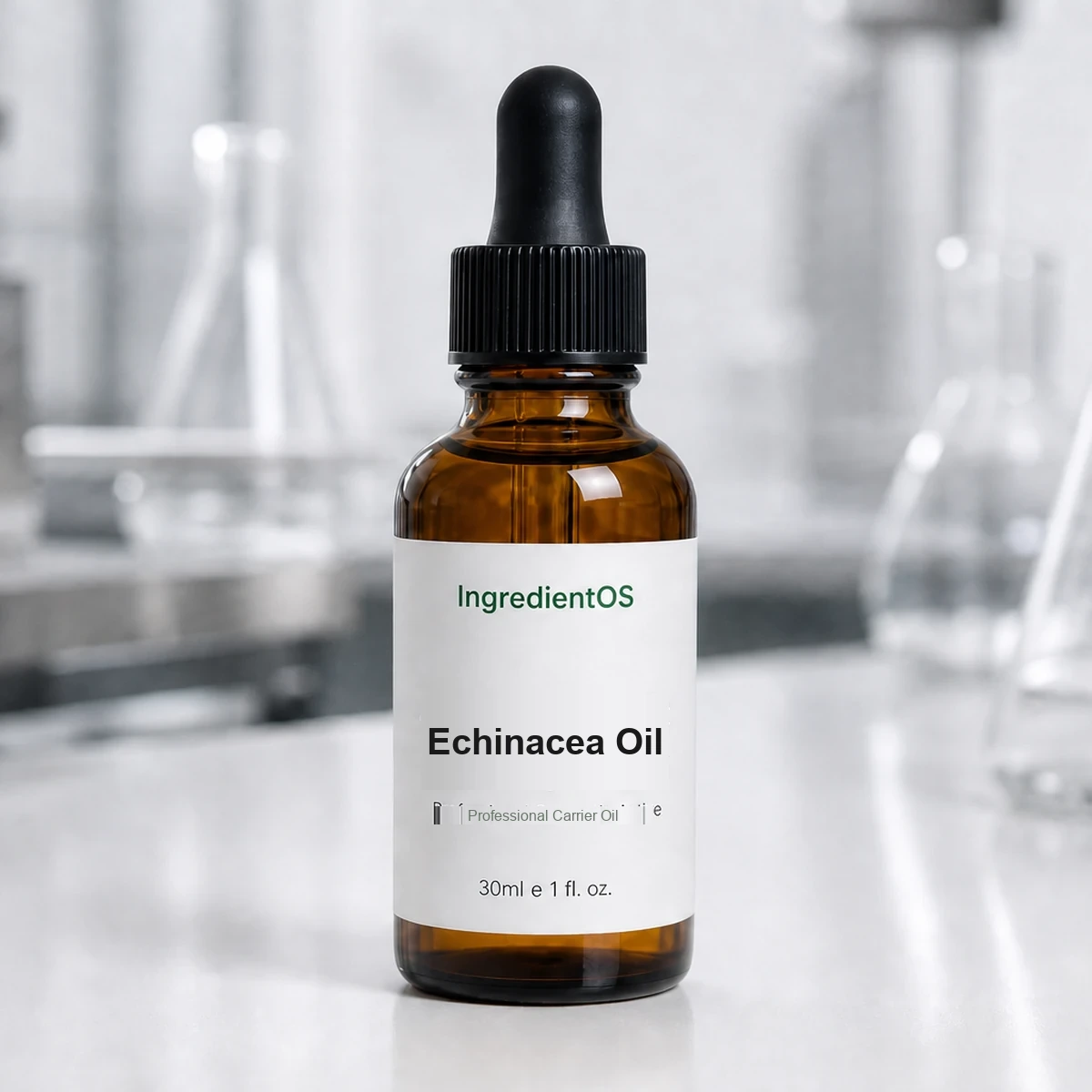
Echinacea Oil
$15.99In stock
Usage Rate: Typical: use the supplied liquid active concentrate at supplier-recommended levels in leave-on formulas, delivering approximately 0.1–0.5% pure active in the finished product (1000–5000 ppm).
Packaging
Liquid sizes — 0.33 oz (10 mL) sample through bulk (US · metric)
Ships from FloridaSecure checkoutUsually ships in 1–2 business daysFree US shipping on $50+
Applicationpersonal care, anti-aging cosmetics, professional infusions, balms
AppearanceLiquid active concentrate
Description
Echinacea oil in brief
Echinacea oil is an oily liquid that blends with oils and the fatty phase. The supplier specification lists personal care, appearance-focused cosmetic cosmetics, professional infusions and balms. Because echinacea oils are often infused oils, where the plant is steeped in a carrier oil, check the supplier CoA for the exact INCI, the carrier and the quality data.
The herbal appeal
Echinacea, the purple coneflower, is one of the best-known herbs in North America and Europe. Many shoppers know it from herbal teas and gardens, so a product with echinacea oil feels familiar and herbal at once. That recognition helps natural and apothecary-style brands.
Product formats
Herbal balms
A balm with echinacea oil, calendula and shea butter is a classic apothecary product. It suits dry hands, elbows and knees.
Creams
In a cream for dry or mature skin, echinacea oil goes into the oil phase. It adds an herbal name to a gentle, nourishing formula.
Massage and body oils
A body oil with echinacea and lavender is easy to make and fits spa ranges.
Professional infusions
Spas and salons that blend oils for treatments can use echinacea oil as one of the herbal components.
Processing
Blend it at room temperature into oils, or add it to the oil phase of emulsions before heating. Keep heating short and add tocopherol.
Partners
Calendula oil, shea butter and Garlic Oil Natural suit apothecary-style blends. For a light body oil, use Apple Seed Oil as the base. Herbal and infused options sit in the carrier oils catalog.
Testing
Run warm-cabinet tests on balms and creams, and check odor and color. Infused oils can vary between lots, so compare each new lot with a retained sample.
Claims
Use comfort and appearance wording: soft, comfortable, nourished-looking skin. Echinacea can be the herbal hero of the story, without health claims.
Apothecary-style packaging
Amber jars, simple labels and botanical illustrations suit echinacea products. A short note about the plant on the side of the box helps shoppers connect the product with the herb they already know.
Range ideas
A herbal balm, a hand cream and a body oil make a small apothecary line. A lip balm with the same herbs can be a low-price add-on. Use the same herbal scent across the products to tie them together.
Shelf life
Store the oil sealed, cool and dark, and use older lots first. Run stability tests on finished products to set the shelf life on the label.
Characteristics
Form: oily liquid. Solubility: oils and fatty phase. Listed uses: personal care, appearance-focused cosmetic cosmetics, professional infusions, balms. Plant: echinacea, the purple coneflower. INCI and quality data: supplier CoA.
Original recipe: herbal hand balm, 100 g
Shea butter 35.00 g, beeswax 15.00 g, sunflower seed oil 25.00 g, echinacea oil 15.00 g, calendula oil 8.00 g, tocopherol 1.00 g, lavender oil 1.00 g. Melt the butter and wax with the oils at 75 °C, cool slightly, add tocopherol and lavender oil and pour.
Infused oils explained
An infused oil is made by steeping dried plant parts in a carrier oil for days or weeks, then filtering. The carrier oil takes on some of the plant's color, scent and oil-soluble parts. Because the carrier makes up most of the product, it matters for texture and shelf life. Ask the supplier which carrier is used, such as sunflower or olive oil, and list it correctly in the INCI. A short explanation of the method on the product page helps shoppers understand what makes the oil herbal.
Record the lot number in your batch log so every production run can be traced back to its certificate of analysis. Retain a small sample of each lot for at least the shelf life of the finished product, since it makes later quality questions much easier to answer.
Storage
Store sealed in a cool, dark place. Close the bottle after each use.
Product Specifications
Usage RateTypical: use the supplied liquid active concentrate at supplier-recommended levels in leave-on formulas, delivering approximately 0.1–0.5% pure active in the finished product (1000–5000 ppm).
SolubilityWater-soluble liquid active concentrate. Add directly to the water phase during cool-down.
StorageStore tightly closed in a cool, dry place away from light and heat. Respect the shelf life on the CoA.
TDS / CoA available on request. Contact us
Frequently Asked Questions
What is echinacea oil used for?
Balms, creams, personal care, appearance-focused cosmetic cosmetics and professional oil infusions, according to the supplier specification.
Is it oil-soluble?
Yes. It mixes with oils and the fatty phase.
Which plant is echinacea?
The purple coneflower, a familiar garden plant.


