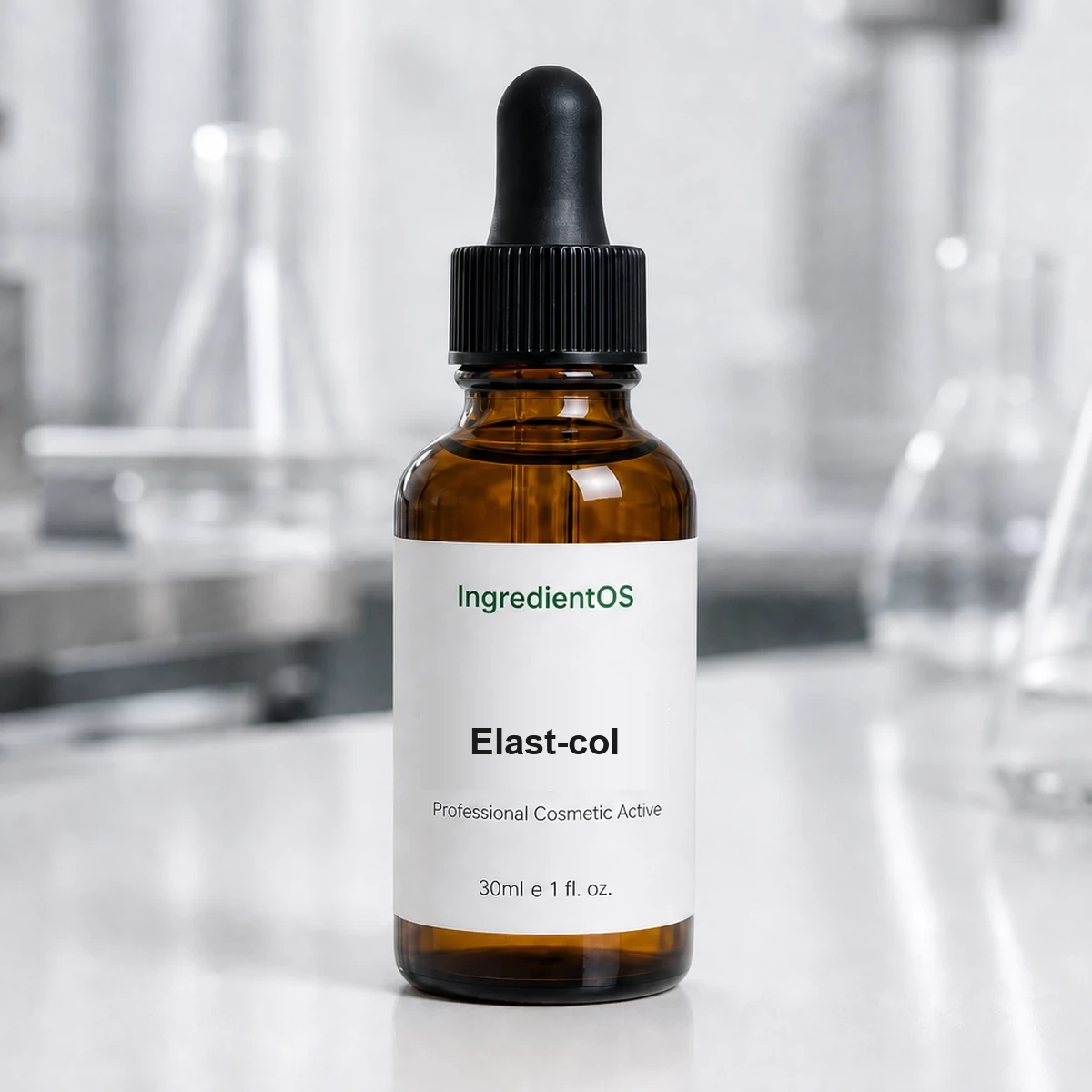
SKU: J90242
Elast-col
$15.99In stock
INCI: Aqua, Propylene Glycol, Hydrolyzed Elastin, Soluble Collagen
Usage Rate: 1-10% of the finished formula
Packaging
Liquid sizes — 0.33 oz (10 mL) sample through bulk (US · metric)
Ships from FloridaSecure checkoutUsually ships in 1–2 business daysFree US shipping on $35+
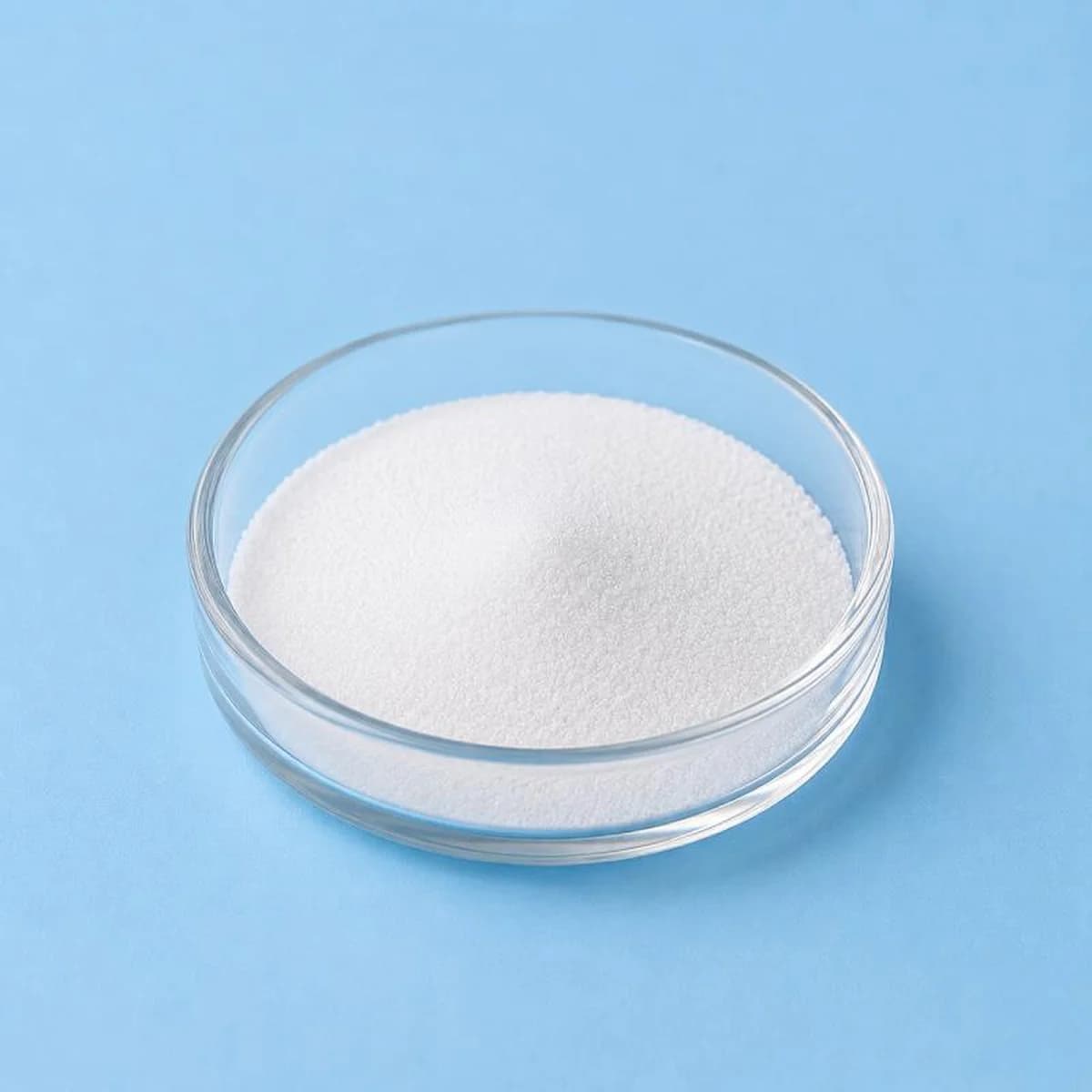
AppearanceLiquid active concentrate
Description
Elast-col at a glance
Elast-col brings the two support proteins of the skin together in one liquid. Hydrolyzed elastin and soluble collagen are dissolved in water and propylene glycol, which gives the INCI Aqua, Propylene Glycol, Hydrolyzed Elastin, Soluble Collagen. The liquid is clear and yellowish and comes from France. It dissolves in water and is used at 1 to 10% of the finished product. For brands that want a classic firming story with both collagen and elastin on the label, it is a convenient one step material.
Collagen and elastin, the support network
Collagen fibers give skin its strength and structure, while elastin fibers let it stretch and spring back. Both decline with age and with sun exposure, which shows as fine lines, a looser contour and less bounce. Cosmetic proteins do not replace the skin's own network, but they work on the surface. Soluble collagen is a large, film forming protein that holds water and gives a smooth, tight feel as it dries. Hydrolyzed elastin is made of smaller peptides that add flexibility and slip to that film. Together they give skin an immediately firmer, smoother and more elastic look and feel.
Choosing the dose
The range is wide. Light daily lotions and toners can use 1 to 3%. Firming creams and eye creams work well at 3 to 6%. Intensive serums, masks and neck creams can use up to 10%. In hair care, 2 to 5% in conditioners and masks adds a soft, conditioned feel.
How to formulate
Temperature
Soluble collagen is sensitive to heat and can lose its film forming character above body temperature. Add the blend to cold process products, or to emulsions only at the end of cool-down, below about 35 to 40 °C.
pH and compatibility
Keep the finished product at about pH 5 to 6.5. Proteins are compatible with most humectants, cationic conditioners and nonionic emulsifiers. Strong anionic surfactants and high levels of alcohol can make proteins cloudy, so test such systems on a small batch.
Partners
A firming serum with Elast-col can add hyaluronic acid for hydration and a peptide such as palmitoyl tripeptide-38 for a stronger appearance-focused cosmetic message. Our catalog also lists a pure hydrolyzed elastin, ELAS TEIN 10, for formulas that need only elastin. More firming actives are listed in the cosmetic actives section.
Product ideas
Firming day and night creams, eye creams, neck and decollete creams, firming serums, peel off and cream masks, body lotions for skin that looks less firm, and conditioning hair masks are all good uses.
Sample recipe: collagen and elastin firming cream, 100 g
Distilled water 70.70 g, glycerin 3.00 g, glyceryl stearate and PEG-100 stearate 5.00 g, cetearyl alcohol 3.00 g, caprylic/capric triglyceride 6.00 g, shea butter 3.00 g, xanthan gum 0.30 g, Elast-col 7.00 g, preservative 1.00 g, fragrance 0.20 g, sodium hydroxide solution 0.80 g. Heat water and oil phases to 75 °C, emulsify, cool slowly to below 40 °C, add Elast-col, the preservative and fragrance, and adjust to about pH 5.5.
Labeling and claims
On the ingredient list the blend appears as Aqua, Propylene Glycol, Hydrolyzed Elastin and Soluble Collagen, a combination consumers recognize from classic firming care. Claims should speak of skin that looks and feels firmer, smoother and more elastic. A simple sensory panel right after application and after four weeks supports these claims well.
Note for vegan brands
Collagen and elastin in this blend are of animal origin, so it is not suitable for vegan products. Brands with a vegan line should choose plant peptides or plant proteins instead.
Storage
Store in a cool, dark place in a tightly closed container. A certificate of analysis comes with every lot.
Product Specifications
INCIAqua, Propylene Glycol, Hydrolyzed Elastin, Soluble Collagen
Usage Rate1-10% of the finished formula
SolubilityWater-soluble
StorageStore tightly closed in a cool, dry place away from light and heat. Refrigerate opened material where practical; respect supplier shelf life.
TDS / CoA available on request. Contact us
Frequently Asked Questions
What is the INCI of Elast-col?
Aqua, Propylene Glycol, Hydrolyzed Elastin, Soluble Collagen.
How much should I use?
1 to 10% of the finished product.
When do I add it?
Add it to the water phase of a cold product or to an emulsion at cool-down, below about 40 °C.