
SKU: VG17091319
Pore minimizer based on Biochanin A
$9.99In stock
Packaging
Powder sizes (metric · US)
Ships from FloridaSecure checkoutUsually ships in 1–2 business daysFree US shipping on $50+
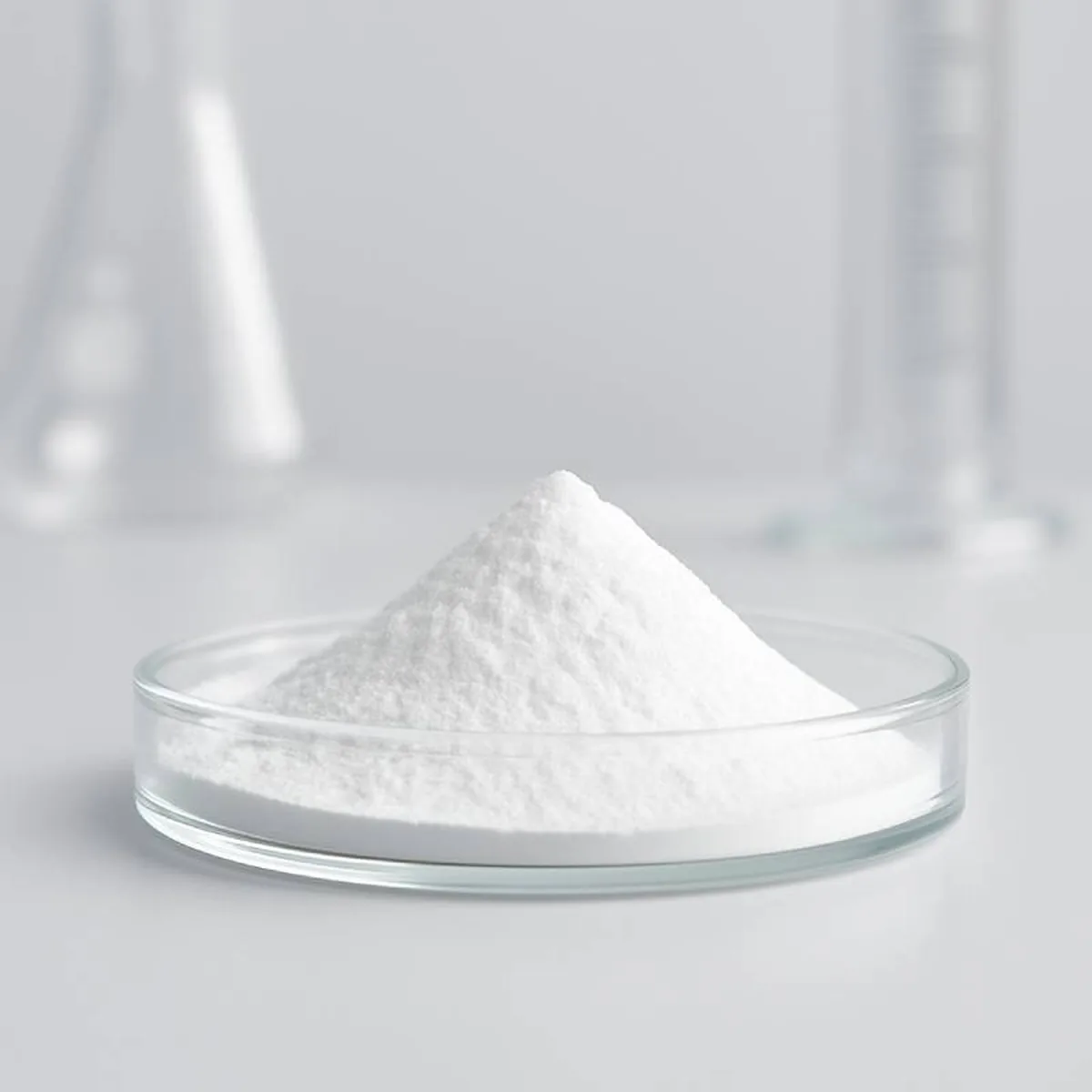
AppearanceCrystal powder
pH4-8
Description
Pore minimizer based on Biochanin An at a glance
This pore minimizer is a crystal powder based on biochanin A. The supplier specification states that it is used in emulsions, that it can be dissolved in water at a dosage below 0.5% and that it works in a pH range of 4 to 8. Biochanin An is an isoflavone, one of a group of plant compounds found in red clover, chickpeas, soy and other legumes. Check the full INCI name and recommended level on the supplier data sheet and CoA.
Isoflavones and pore care
Pores look larger on oily skin, especially in the T-zone. Some plant compounds, including isoflavones such as biochanin A, are used in cosmetics for products that help oily skin look more balanced and pores look smaller. These ingredients work over weeks of daily use, unlike soft-focus powders that blur pores instantly.
Product formats
Pore-refining creams
Light day creams and gel creams for oily and combination skin.
Serums
Serums with a small oil phase or a solubilizer to carry the active.
Toners
At low dosage it can be dissolved in water-based toners.
Mattifying fluids
Fluid emulsions with a matte finish.
Processing
In emulsions, add it to the formula as the supplier directs, often in the oil phase or at cool-down with a solvent. For water-based products, keep the dosage below 0.5%, as the supplier specification states, and dissolve it fully. Keep the final pH between 4 and 8.
Good partners
IO Pore Care Crystal Powder adds a second pore-refining active, and the Pore Minimizer spheres give an instant blur. IO Texturizing Starch Powder adds a matte touch. Browse more in the actives catalog.
Testing
Use image analysis to measure visible pores over several weeks, and sebumeter readings for shine.
Claims
Pores look smaller and refined; skin looks more balanced and less shiny.
Characteristics
Form: crystal powder. Solubility: used in emulsions; dissolution in water possible at a dosage below 0.5%. PH range: 4 to 8. Basis: biochanin A, an isoflavone. INCI and level: supplier data sheet and CoA.
Original recipe: pore-refining gel cream, 100 g
Distilled water 78.00 g, glycerin 4.00 g, carbomer 0.40 g, pore minimizer based on biochanin A 0.40 g, caprylic capric triglyceride 6.00 g, squalane 3.00 g, polysorbate 60 1.50 g, niacinamide 3.00 g, IO Texturizing Starch Powder 1.50 g, phenoxyethanol and ethylhexylglycerin 1.00 g, sodium hydroxide solution 1.20 g. Disperse the carbomer, add niacinamide and glycerin, emulsify the oils with polysorbate, neutralize, then add the pore minimizer and IO Texturizing Starch Powder.
Combining instant and long-term effects
A pore product that blurs pores instantly and refines them over time gives users both a first impression and a reason to keep using it. Combine a soft-focus powder with this long-term active in one gel cream.
Oily skin textures
Keep textures light, choose non-greasy emollients and add a mattifying powder. Gel creams and fluids suit oily skin best.
Range ideas
A pore-refining gel cream, a toner and a mattifying serum make a focused oily-skin routine.
Lot records
Keep each CoA with the batch file and note the lot used.
Daily routine
Pore-refining actives work best when used consistently, morning and evening, on clean skin. A gentle cleanser, a balancing toner and a light gel cream make a simple routine for oily skin.
Texture tips for oily skin
Choose light esters and squalane rather than heavy butters, and keep the oil phase small. Silica or starch-based powders give a matte finish that oily skin users like. Fragrance-free versions suit people who prefer minimal products.
Measuring results
Photos under standard lighting at the start and after four and eight weeks show changes in pore visibility. Combine them with user questionnaires about shine and texture for a full picture of the product's performance.
Storage
Store closed in a dry place. Close the container after use.
Product Specifications
Solubilityin emulsion, dissolution in water is possible at dosage less than 0.5%
StorageStore tightly closed in a cool, dry place away from light and heat. Respect the shelf life on the CoA.
TDS / CoA available on request. Contact us
Frequently Asked Questions
What is biochanin A?
An isoflavone found in red clover, chickpeas and soy.
How do I add it?
Into emulsions, or dissolve it in water at a dosage below 0.5%.
What pH range suits it?
The supplier specification gives pH 4 to 8.


