SKU: VG17051705
IO Texturizing Starch Powder
$9.99In stock
Packaging
Powder sizes (metric · US)
Ships from FloridaSecure checkoutUsually ships in 1–2 business daysFree US shipping on $50+
Applicationvarious cosmetic products from serums to creams, from powders to eyeshadows, from lip gloss to lipsticks.
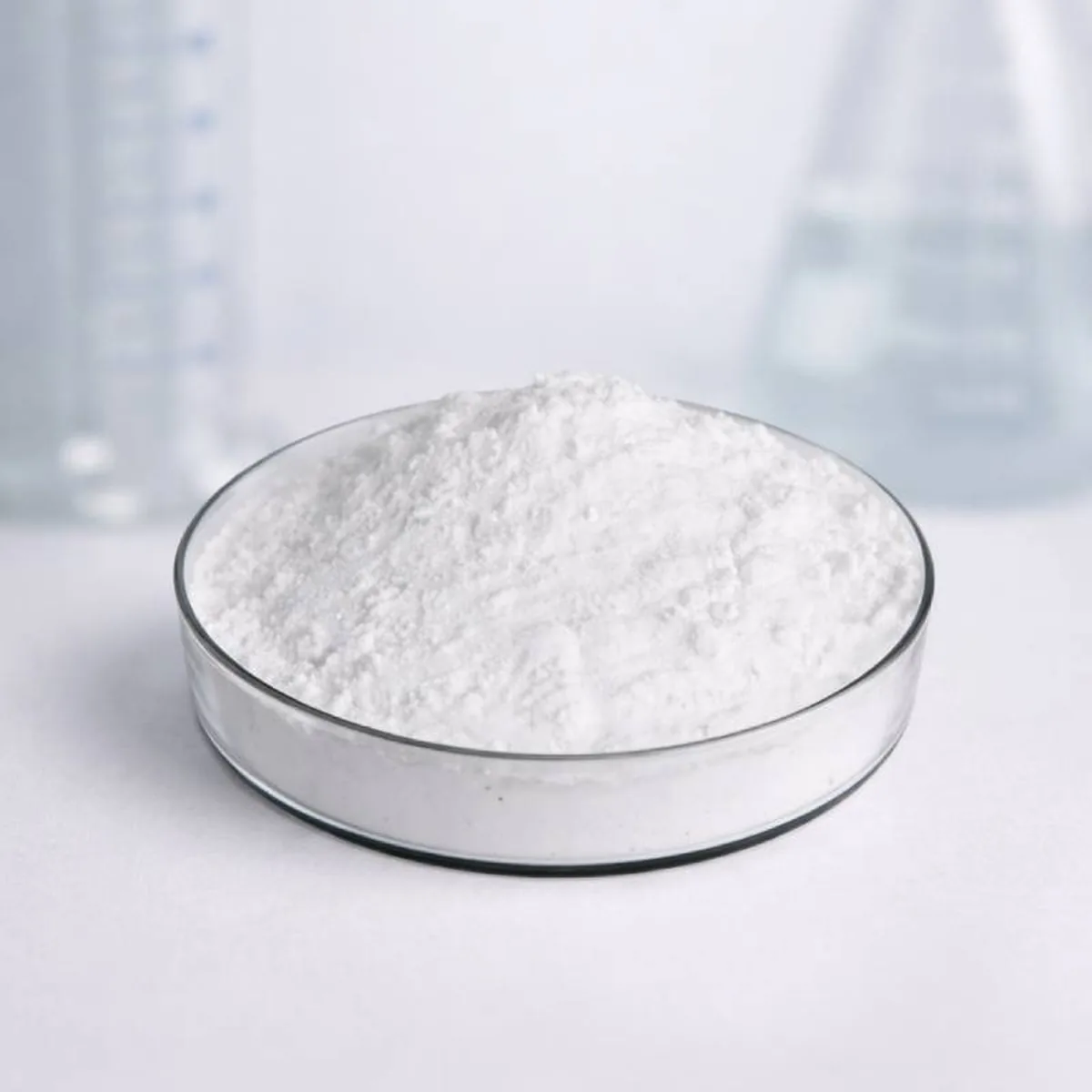
AppearanceWhite powder
pH5-8
Description
This ingredient at a glance
IO Texturizing Starch Powder is a white powder with a working pH range of 5 to 8. The card lists serums, creams, face powders, eyeshadows, lip glosses and lipsticks, which shows how flexible it is. This ingredient is a well-known family of modified starch powders. Their job is to change the feel of a product: they cut through oiliness, add slip and leave a soft, velvety finish. Check the INCI name, recommended level and processing notes on the supplier data sheet and CoA.
Sensory modifiers explained
Many good formulas fail on feel. A cream may perform well but leave a heavy, shiny film, or a lip gloss may feel sticky. Sensory powders solve these problems without changing the core formula. A small amount can turn a greasy cream into one that dries down to a matte, silky touch.
Product formats
Serums and creams
In emulsions it reduces the greasy after-feel of rich oils and butters and gives a soft-focus finish.
Face powders
In pressed and loose powders it improves slip and spreadability.
Eyeshadows
It helps shadows glide on smoothly and blend evenly.
Lip glosses and lipsticks
It softens tackiness in glosses and gives lipsticks a creamier glide.
Processing
For emulsions, disperse the powder in the oil phase or add it at the end of the process, depending on the data sheet. In anhydrous makeup, mix it with the other powders before adding binders. Stir well to avoid clumps. Keep the final pH between 5 and 8.
Good partners
Boron Glow boron nitride adds a silky glow next to the matte starch finish, and calcium stearate helps pressed powders hold together. Browse more texture ingredients in the actives catalog.
Testing
Run sensory tests side by side with and without the powder. Ask panelists to rate greasiness, slip and after-feel. For makeup, check pressing, payoff and wear.
Claims
Silky, non-greasy feel; soft, velvety finish; smooth glide.
Characteristics
Form: white powder. PH range: 5 to 8. Type: texture powder from this ingredient family. Listed products: serums, creams, face powders, eyeshadows, lip glosses, lipsticks. INCI and level: supplier data sheet and CoA.
Original recipe: matte day cream, 100 g
Distilled water 70.80 g, glycerin 4.00 g, xanthan gum 0.20 g, glyceryl stearate citrate 3.50 g, cetearyl alcohol 2.00 g, caprylic capric triglyceride 10.00 g, squalane 4.00 g, IO Texturizing Starch Powder 3.00 g, tocopherol 0.50 g, phenoxyethanol and ethylhexylglycerin 1.00 g, citric acid 1.00 g. Emulsify the heated phases, add IO Texturizing Starch Powder during cooling, preserve and adjust the pH.
Fine-tuning the finish
Start low and add more in small steps. Too much starch can make a cream feel chalky or leave a white cast. Combined with a light ester, it gives a dry-touch finish that many oily-skin users prefer.
Lot records
Keep each CoA with the batch file and note the lot used.
Why texture sells
Shoppers often decide in the first few seconds whether they like a cream, and that decision is mostly about feel. A light, dry-touch finish signals freshness, while a greasy film feels old-fashioned even if the formula performs well. Texture powders are one of the fastest ways to update an older formula. They also allow richer oils and butters to be used in day creams without leaving shine.
Makeup applications
In powders and eyeshadows, starch-based texture powders improve slip and help pigments spread evenly. In lip glosses, they cut the stickiness of thick polymers. In lipsticks, they give a creamier glide and a softer, more modern finish. Combine them with other fillers such as mica and silica to tune payoff and wear. Record each trial so the best texture can be repeated at scale.
Range ideas
A matte day cream, a mattifying primer and a soft-focus powder can share the same texture technology for a coherent shine-control line.
Storage
Store closed in a dry place. Close the container after use.
Product Specifications
StorageStore tightly closed in a cool, dry place away from light and heat. Respect the shelf life on the CoA.
TDS / CoA available on request. Contact us
Frequently Asked Questions
What does IO Texturizing Starch Powder do?
It is a texture powder that reduces greasiness and gives a silky, powdery finish.
Which products is it for?
Serums, creams, face powders, eyeshadows, lip glosses and lipsticks, as listed on the card.
What pH range suits it?
The card gives pH 5 to 8.