SKU: J940001
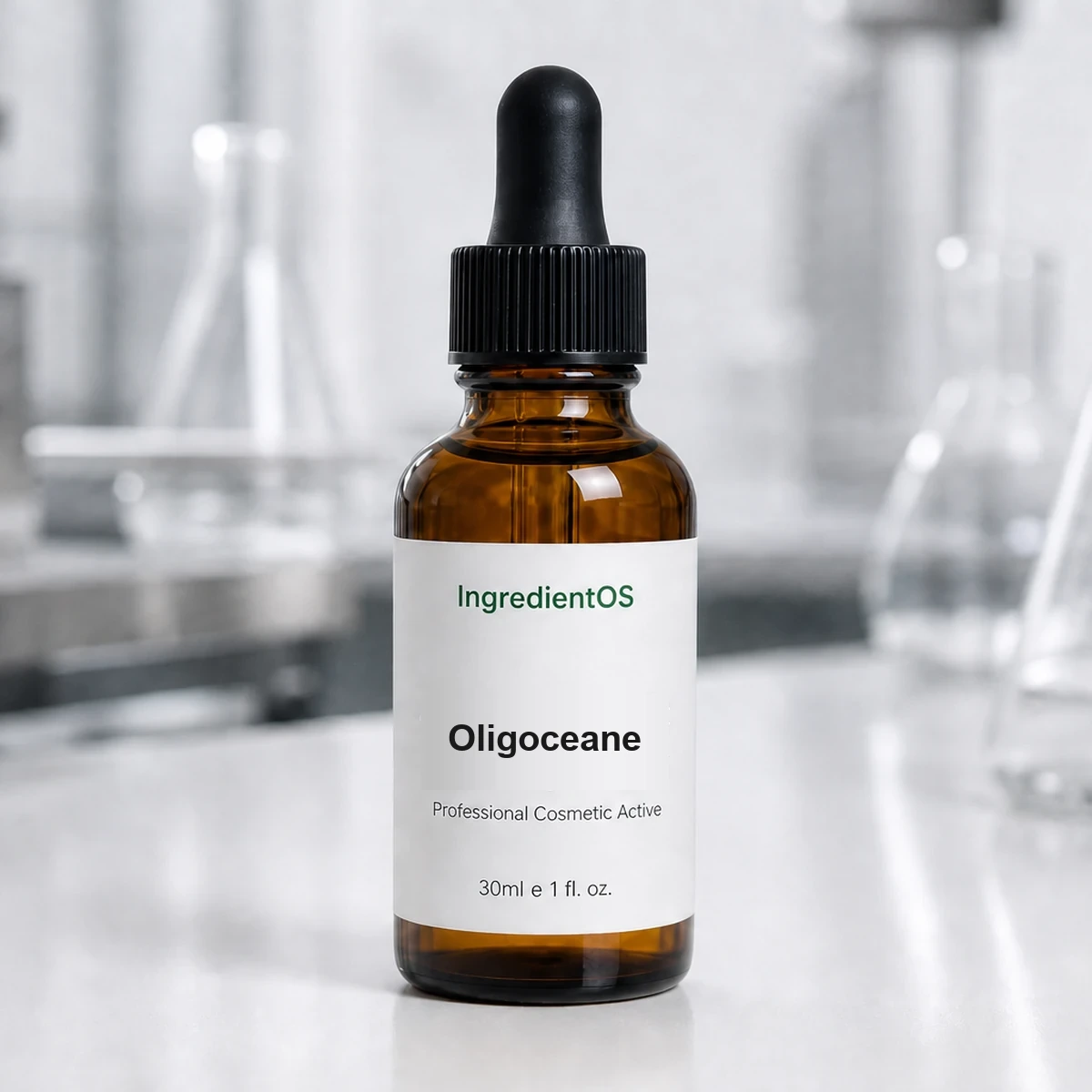
Oligoceane
$15.99In stock
INCI: Water (Aqua), Propylene Glycol, Sea Silt (Maris Limus) Extract, Oyster (Ostrea) Shell Extract
Usage Rate: 2-4% of the finished formula
Packaging
Liquid sizes — 0.33 oz (10 mL) sample through bulk (US · metric)
Ships from FloridaSecure checkoutUsually ships in 1–2 business daysFree US shipping on $50+
AppearanceLiquid active concentrate
Description
Oligoceane at a glance
Oligoceane is a marine mineral active from France. Its INCI is Water (Aqua), Propylene Glycol, Sea Silt (Maris Limus) Extract, Oyster (Ostrea) Shell Extract. It is a clear, water-soluble liquid used at 2 to 4% of the finished product. The name points to its main idea: oligo elements, the trace elements of the ocean. It is also known as Oligocean.
Two marine sources
Sea silt
Maris limus is the Latin name for sea silt, the fine, mineral rich mud that settles on the sea floor in calm coastal waters. Marine muds have a long tradition in thalasso and SPA care, where they are valued for their mineral content and their refreshing, toning effect on the skin.
Oyster shell
Oyster shells are built from calcium carbonate and a protein matrix, and they hold many minerals and trace elements from the sea water. The extract brings these elements into a clear liquid that is easy to use.
What it does
Together, sea silt and oyster shell supply a broad set of marine minerals and trace elements. In cosmetic terms, Oligoceane helps the skin look more toned, fresher and more radiant. The supplier lists lotions and toners, masks for more tone and radiance of the face and creams and serums for all ages. Because the active is not tied to a specific age claim, it suits a whole marine line from young to mature skin.
Why trace elements matter
Skin, like every tissue, relies on small amounts of minerals such as zinc, magnesium, copper and calcium for its daily work. A product rich in marine trace elements tells a simple story: the sea gives back what busy city life takes away. This is the classic idea behind thalasso cosmetics, and Oligoceane brings it into modern, clear textures.
How to formulate
Add Oligoceane to the water phase or at cool-down. It is clear, so it suits transparent toners, mists and gels as well as creams. Minerals can affect the stability of some thickeners, so test viscosity when you use it in carbomer gels; xanthan gum and cellulose thickeners are more tolerant of electrolytes. A marine line can add sodium PCA for hydration and trehalose for a fresh feel. More marine actives are listed in the cosmetic actives section.
Product ideas
Marine toners, mineral face mists, radiance masks, thalasso day creams, toning serums, body lotions with a sea story and SPA wrap creams are the main concepts.
Sample recipe: mineral radiance toner, 100 g
Distilled water 88.90 g, Oligoceane 4.00 g, glycerin 2.00 g, propanediol 2.00 g, sodium PCA 1.00 g, panthenol 0.50 g, preservative 1.00 g, citric acid solution 0.60 g. Mix the water with glycerin and propanediol, add Oligoceane, sodium PCA and panthenol, then the preservative, and adjust to about pH 5.5.
A thalasso line
A complete thalasso inspired range can use Oligoceane in every step: a toner at 2%, a serum and day cream at 3%, and a radiance mask at 4%. Pair it with seaweed extracts and a fresh marine fragrance for a consistent sea story across the line.
Body and SPA care
Marine minerals are at home in body care. A body lotion or a SPA wrap cream with 3 to 4% Oligoceane carries the thalasso story to the whole body, and a mineral bath or shower gel can add it at the lower end of the range. Professional SPA rituals often combine a marine mud mask with a mineral serum, and Oligoceane fits the serum step well.
Safety notes
The supplier asks for a sensitivity test of the finished product, for example a test application on the inner elbow or behind the ear. Oyster shell is a shellfish derived ingredient, which matters for some customers and allergen statements.
Storage
Store in a dry, cool room in a tightly closed container, protected from light. A certificate of analysis comes with every lot.
Product Specifications
INCIWater (Aqua), Propylene Glycol, Sea Silt (Maris Limus) Extract, Oyster (Ostrea) Shell Extract
Usage Rate2-4% of the finished formula
SolubilityWater-soluble
StorageStore tightly closed in a cool, dry place away from light and heat. Refrigerate opened material where practical; respect supplier shelf life.
TDS / CoA available on request. Contact us
Frequently Asked Questions
What is the INCI of Oligoceane?
Water (Aqua), Propylene Glycol, Sea Silt (Maris Limus) Extract, Oyster (Ostrea) Shell Extract.
How much should I use?
2 to 4% of the finished product.
Which products is it for?
Lotions and toners, masks for tone and radiance, and creams and serums for all ages.