ActivesSKU TM21070914
Trehalose
Trehalose is a non-reducing disaccharide made of two glucose units joined by an alpha,alpha-1,1 bond.
$9.99In stock
Packaging
Powder sizes (metric · US)
Worldwide Shipping to 200+ Countries
Live international rates at checkout. Free shipping applies to US orders only; duties are paid by the recipient. Shipping details · Over 10 lb? Request a quote- Ships from Florida
- CoA available
- Usually ships in 1–2 business days
- Free US shipping on $35+
Overview
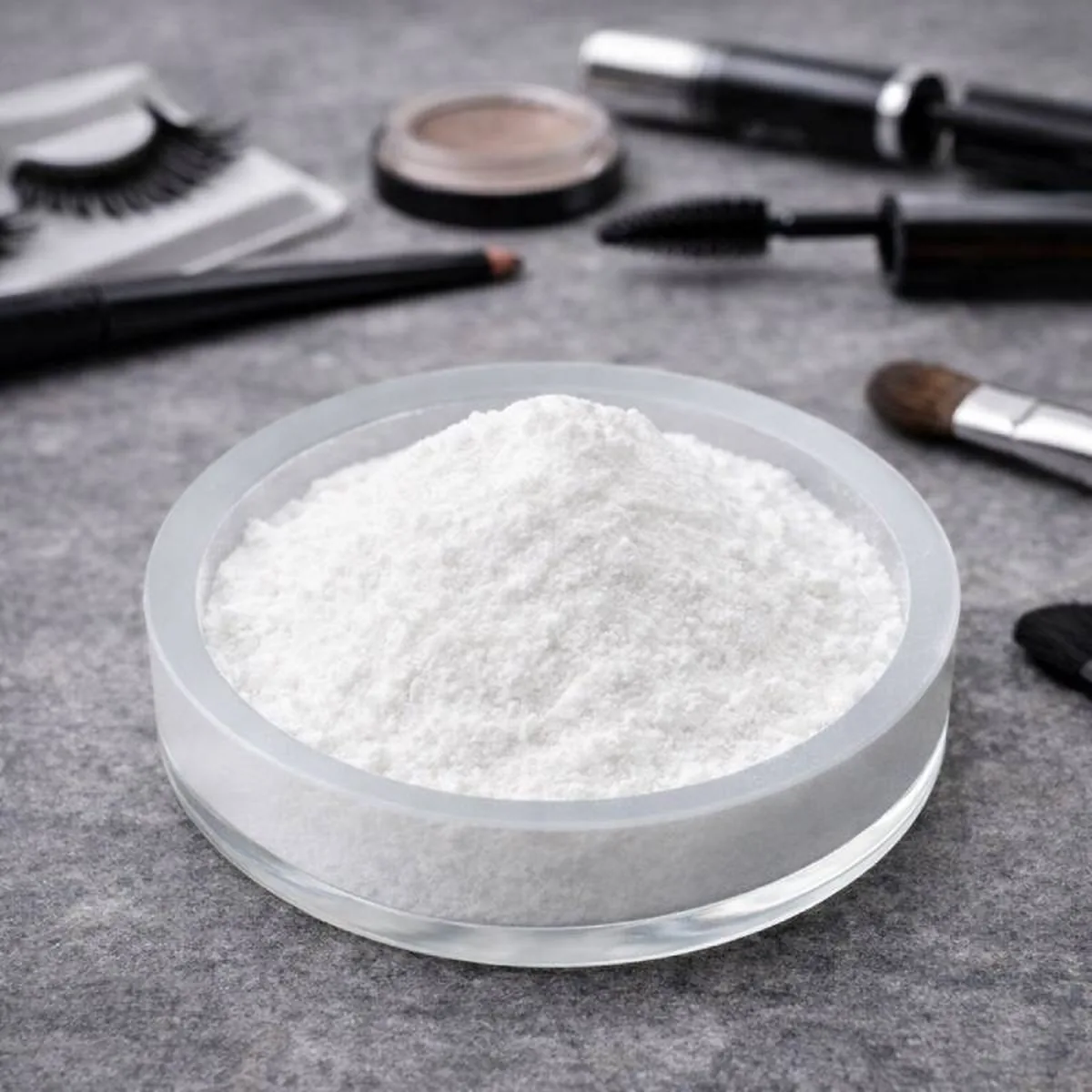
Trehalose is a non-reducing disaccharide made of two glucose units joined by an alpha,alpha-1,1 bond. Nature uses it as a survival sugar: resurrection plants, yeasts and tardigrades accumulate it to come through extreme drying and recover intact. This grade is Trehalose Dihydrate, a white crystalline powder that dissolves freely in water and gives clear, colorless solutions.
For cosmetic formulators it is a humectant with a second job. Beyond holding water, it protects proteins, lipids and other sensitive actives while a formula sits on the shelf and while it dries down on skin and hair. It sits with our other hydration and barrier ingredients in the cosmetic actives section.
Technical specifications
| Parameter | Specification |
|---|---|
| Product | Trehalose Dihydrate |
| INCI | Trehalose |
| CAS No. | 6138-23-4 |
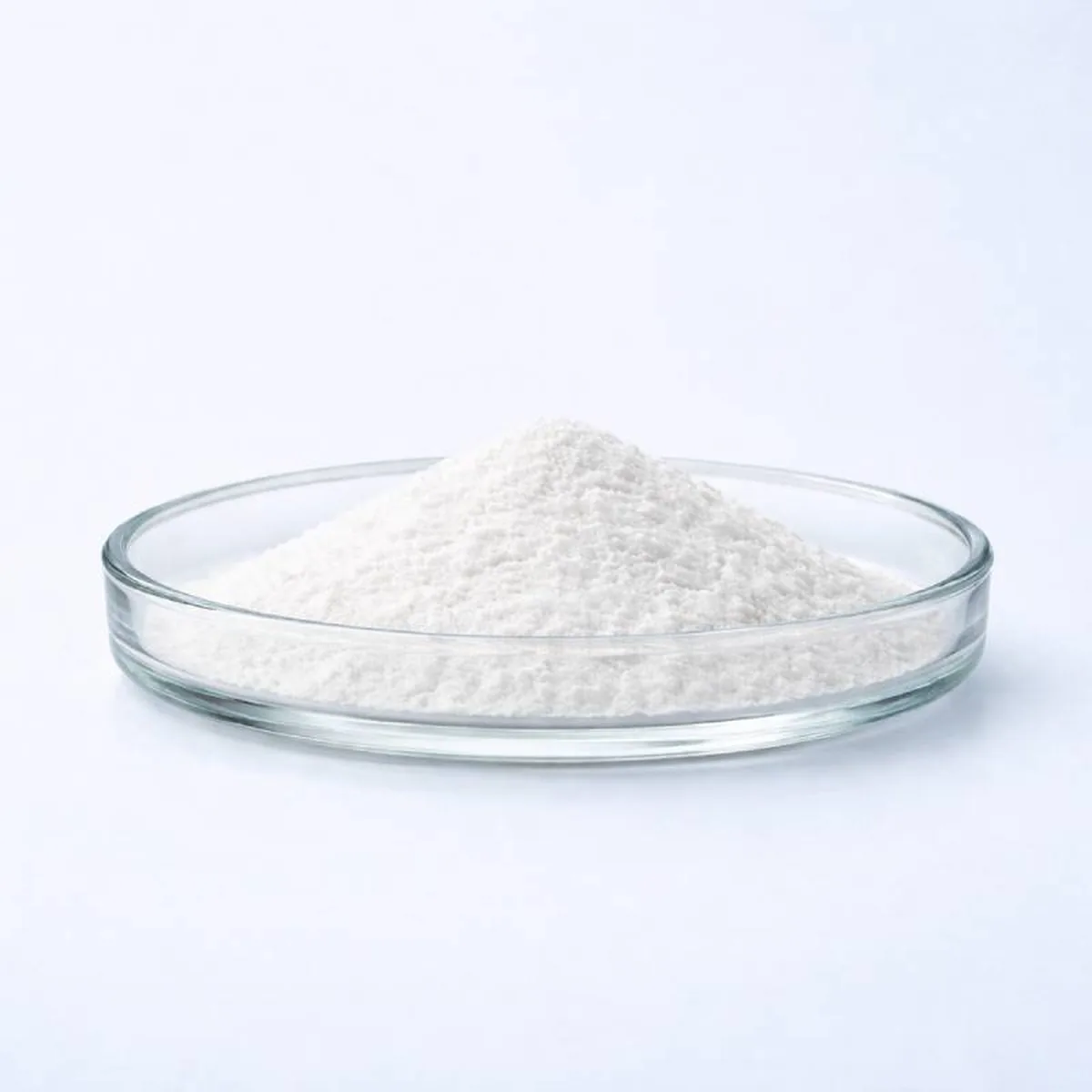
| Appearance | White crystalline powder |
| Assay | ≥98.0% |
| pH (10% solution) | 4.5–6.5 |
| Solubility | Freely soluble in water |
| Recommended use level | 0.5–5% |
| Hazard classification | Not classified as hazardous (see SDS) |
Water replacement
When water leaves a surface, trehalose hydroxyl groups take its place and hydrogen-bond directly to proteins and membrane lipid head groups. This keeps their native shape and spacing instead of letting them fold, fuse or leak. This water-replacement effect is the best-known reason trehalose is used to stabilize biological materials.
Glass formation
Trehalose has an unusually high glass transition temperature for a sugar. As a film dries, it turns into an amorphous glass rather than crystallizing, and that glass slows molecular movement around anything embedded in it. On skin this gives a smooth, non-sticky hydrating film. In a formula it helps shield delicate ingredients.
Osmoprotection and humectancy
As a compatible solute, trehalose helps cells keep their water balance under osmotic and drying stress without disturbing their normal function. As a humectant it binds water in the stratum corneum, so skin feels softer, smoother and more comfortable, and the effect lasts in low humidity.
Compatibility and synergies
Trehalose is nonionic and compatible with most cosmetic ingredients, including anionic, cationic and nonionic emulsifiers, carbomers, gums and common preservatives.
- Hyaluronic acid: trehalose adds a slip-free glassy film over the HA network. Try it with our multi-weight hyaluronic acid solution for layered hydration.
- Panthenol: a classic comfort-and-hydration duo for skin and hair. See D-Panthenol.
- Ceramides: humectant plus lipid gives a complete barrier-support story. Pair it with Ceramide NP in creams and lotions.
- Peptides and proteins: its stabilizing effect makes it a sensible companion for peptide serums and hydrolyzed proteins.
- Other extremolytes: it works well alongside Ectoin in stress-defense and sensitive-skin concepts.
As with any water-rich formula, use a full preservative system. Sugars are a nutrient for microbes, so do not leave a trehalose solution unpreserved.
Applications
- Hydrating serums, essences and toners
- Moisturizing creams, lotions and gel creams
- Sheet masks, wash-off and leave-on masks
- Eye care and lip care
- Hair care: leave-in conditioners, curl creams and scalp care, where it softens and helps reduce the brittle feel of dry hair
- Balms, anhydrous-to-water textures and protective hand care
Regulatory
INCI Trehalose is listed in the EU CosIng database as a humectant and skin-conditioning ingredient, and it is widely used in cosmetics sold in the US. Each lot ships with a Certificate of Analysis, and a Safety Data Sheet is available. Registered customers can download both documents from the Technical documents block on this page.
Benefits
- Non-reducing disaccharide humectant with water-replacement and glass-forming action
- Helps stabilize proteins, peptides and lipid structures during dehydration
- Smooth, non-sticky hydrating film, unlike heavier polyols
- Freely water soluble, heat stable, compatible across the cosmetic pH range
- Pairs with hyaluronic acid, peptides, ceramides and panthenol
- White crystalline powder, assay ≥98.0%, CoA and SDS available
Specifications
| Form | powder |
|---|---|
| Appearance | White crystalline powder |
| Solubility | Water soluble. Weigh the powder and dissolve it in the water phase. |
| Phase | Water phase |
| Recommended dosage | Typical use level 0.5–5% of the finished formula (0.5–5 g per 100 g). |
| pH | 4.5–6.5 (10% solution) |
| Storage | Store tightly closed in a cool, dry place away from direct sunlight. Hygroscopic, so reseal promptly. Shelf life per the lot CoA. |
How to use
- Phase
- Water phase
- Recommended dosage
- Typical use level 0.5–5% of the finished formula (0.5–5 g per 100 g).
Formulation guidelines
Add trehalose to the water phase and stir until fully dissolved. Disaccharides dissolve fast, and a clear solution is the end point. Trehalose is heat stable and, being non-reducing, does not take part in Maillard browning with amino acids or peptides. You can add it before heating in hot-process emulsions or at cool-down in cold-process systems.
Typical use levels:
- 0.5–2% for daily serums, toners and essences where a light, non-tacky feel matters
- 2–5% for intensive masks, overnight creams, after-sun-style comfort care and leave-in hair products
The native pH of a 10% solution is 4.5–6.5, and trehalose works across the usual cosmetic pH range. Because it is chemically inert, it does not upset the pH of your finished product. Its film-forming dry-down also makes it useful in water-in-oil systems and anhydrous-to-water textures, such as balms that turn milky on wet skin, when you add it as a concentrated aqueous premix.
Precautions
Storage
Store tightly closed in a cool, dry place away from direct sunlight. Hygroscopic, so reseal promptly. Shelf life per the lot CoA.
Storage and handling
Store the powder in its original, tightly closed container in a cool, dry place away from direct sunlight. Trehalose takes up moisture from the air, so reseal promptly after each use. Shelf life is shown on the lot CoA. Trehalose is not classified as hazardous. Follow standard good manufacturing practice and avoid creating dust.
- For cosmetic formulation use only. Raw material for topical cosmetic products.
- Cosmetic raw material for professional formulation. Not sold as a finished product.
- Handle with gloves and eye protection, as with any raw material, and follow the SDS.
- Test stability, compatibility and preservation in your finished formula before launch.
- Keep the container closed and out of reach of children.
Documents
A certificate of analysis comes with your order. TDS and SDS are sent by email when you request them.
Request documents
CoA, TDS, SDS, or a specification for this ingredient. We email the files within 1 business day.
Technical documents
Lot-specific quality and safety documentation for formulators and QA teams. Available to registered customers.
CoA: Certificate of AnalysisSign in to download
SDS: Safety Data SheetSign in to download
You can also request a CoA, TDS, SDS, or specification by email.
FAQ
What does trehalose do in skincare?
It is a humectant that binds water in the stratum corneum and forms a smooth, glassy film as it dries. It also helps protect proteins, lipids and sensitive actives against drying stress.
How much trehalose should I use?
Use 0.5–5% of the finished formula: 0.5–2% for light serums and toners, and 2–5% for masks, rich creams and leave-in hair care.
Can I heat trehalose?
Yes. It is heat stable and non-reducing, so you can add it to the water phase before heating, or at cool-down. It does not brown with peptides or amino acids.
Is trehalose compatible with hyaluronic acid and peptides?
Yes. It is nonionic and compatible with hyaluronic acid, peptides, panthenol, ceramides, common emulsifiers and thickeners. It works across the usual cosmetic pH range.