SKU: A40015
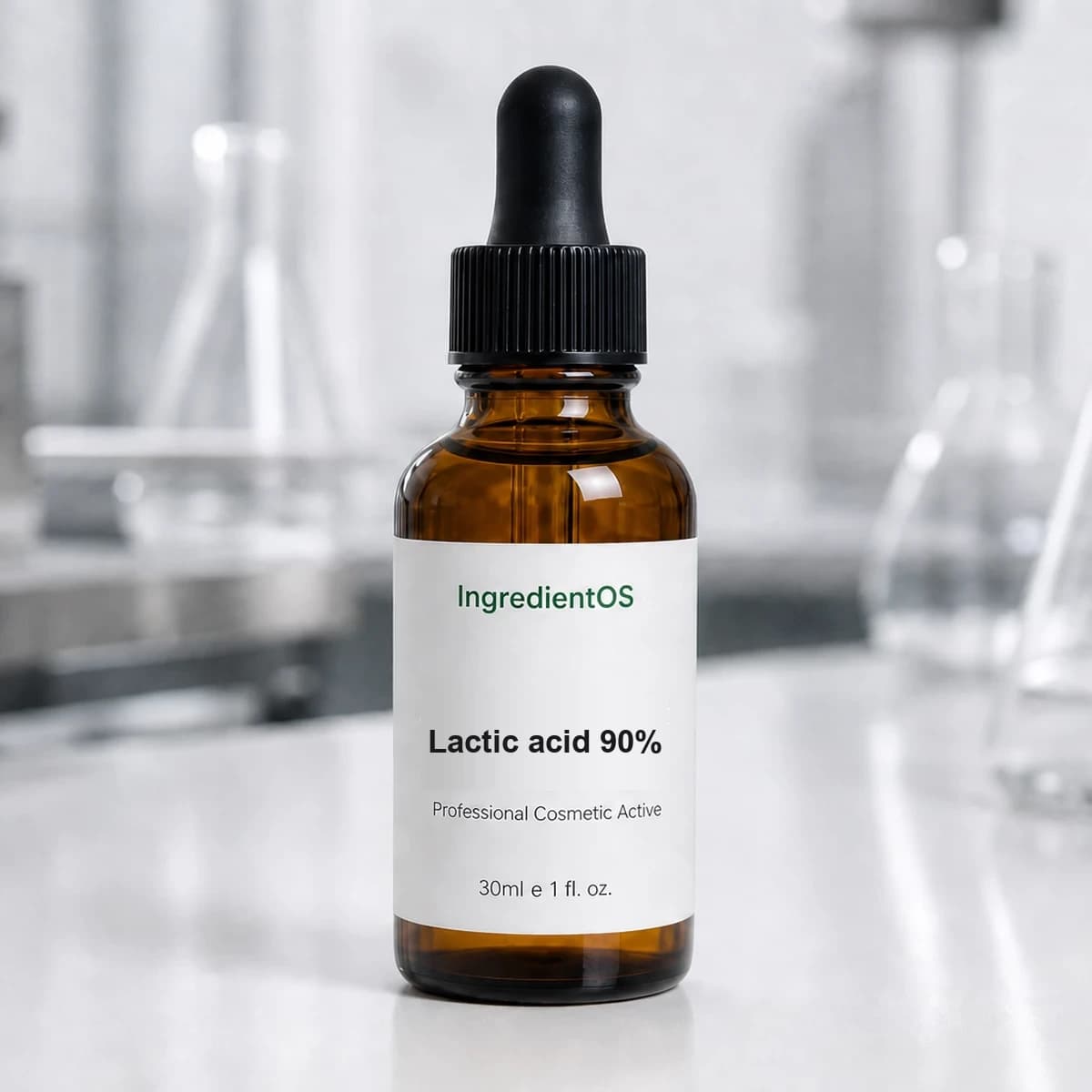
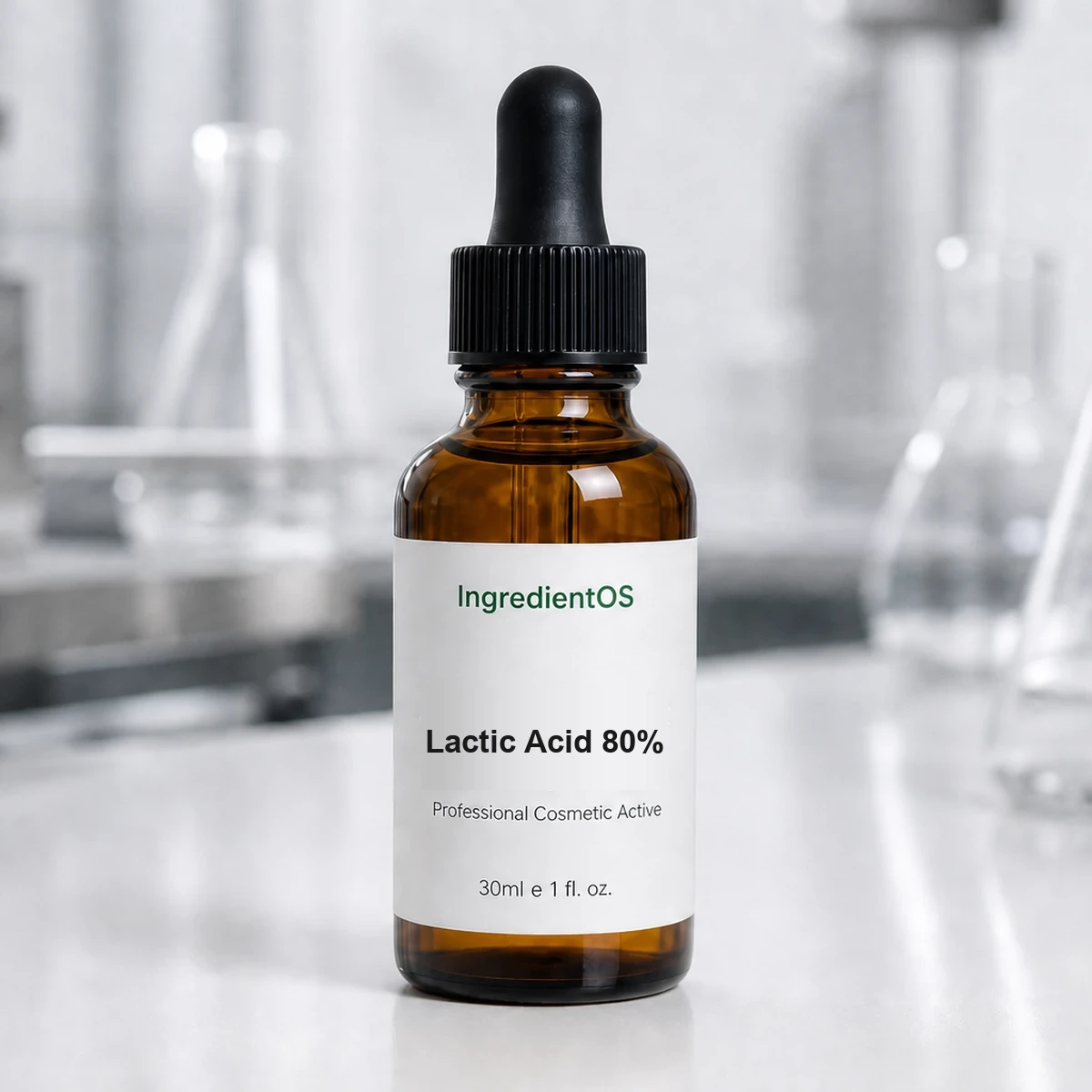
Lactic Acid 80%
$15.99In stock
Usage Rate: Typical: use the supplied liquid active concentrate at supplier-recommended levels in leave-on formulas, delivering approximately 0.1–0.5% pure active in the finished product (1000–5000 ppm).
Packaging
Liquid sizes — 0.33 oz (10 mL) sample through bulk (US · metric)
Ships from FloridaSecure checkoutUsually ships in 1–2 business daysFree US shipping on $35+
AppearanceLiquid active concentrate
Description
Lactic acid 80% explained
Lactic acid 80% is a cloudy liquid that dissolves in water and alcohol. Lactic acid is an alpha hydroxy acid, part of the same family as glycolic and citric acid. In skin care it has two jobs: gentle exfoliation of the outer layer of skin, and adjusting the pH of finished products. The supplier CoA confirms the concentration of each lot.
Why lactic acid is popular
Among AHAs, lactic acid is known as one of the gentler options. Shoppers who find glycolic acid too strong often choose lactic acid toners and serums. It also has a link to milk, which gives it a soft, familiar story. Exfoliating products remain one of the most searched categories in skin care.
Product formats
Exfoliating toners and serums
A leave-on toner or serum with lactic acid gives skin a smoother, brighter look over time. The free acid and the pH decide how strong it feels, so test carefully.
Creams and body lotions
Body lotions with lactic acid help rough, dry skin on arms and legs feel smoother. A lower pH and a modest acid level suit daily use.
Peel-style masks
Rinse-off masks with a higher acid content are for short contact times. Clear instructions on the pack are essential.
pH adjusting
In very small amounts, lactic acid lowers the pH of creams, gels and shampoos. Dilute it first, add drop by drop and measure as you go.
Handling
The concentrate is strongly acidic. Wear gloves and eye protection, and always add acid to water, not water to acid. Dilute it before adding it to a batch.
Formulating tips
For exfoliating products, decide on both the acid level and the final pH; together they control how the product feels. Some formulators partly neutralize the acid with sodium hydroxide or sodium lactate to make a gentler product. Check compatibility with thickeners, as many gums and carbomers lose viscosity at low pH.
Partners
Sodium lactate 60% can buffer lactic acid products. Glycerin, panthenol and Natural Moisturizing Factor add comfort. More acids and actives are in our actives catalog.
Safety and labeling
Include clear directions for use and a patch-test suggestion.
Testing
Measure pH at each stage and after stability tests, since it can drift. A panel can rate tingling and comfort. Check packaging compatibility, because acids can affect some metals and pumps.
Claims
Use appearance wording: smoother, brighter-looking, more even skin; softer, smoother skin on the body.
Characteristics
Form: cloudy liquid. Concentration: 80%, confirmed on the CoA. Solubility: water and alcohol. Type: alpha hydroxy acid. Uses: exfoliating toners, serums, creams, body lotions, masks, pH adjusting.
Original recipe: smoothing body lotion, 100 g
Phase A: distilled water 72.70 g, glycerin 5.00 g, xanthan gum 0.30 g. Phase B: glyceryl stearate 4.00 g, cetearyl alcohol 3.00 g, sunflower seed oil 8.00 g. Phase C: lactic acid 80% 3.00 g, sodium lactate 60% 2.00 g, panthenol 1.00 g, preservative 1.00 g. Heat A and B to 75 °C, emulsify, cool, premix C with a little water and add below 40 °C, then check the pH.
Choosing the grade
The 80% grade is a convenient everyday choice for toners, lotions and small pH adjustments. It is slightly less concentrated than the 90% grade, which makes small additions easier to control.
Storage of premixes
Diluted acid premixes should be labeled with the date and strength and used within a short period to avoid mix-ups.
Storage
Store tightly closed at room temperature in an acid-resistant container.
Product Specifications
Usage RateTypical: use the supplied liquid active concentrate at supplier-recommended levels in leave-on formulas, delivering approximately 0.1–0.5% pure active in the finished product (1000–5000 ppm).
SolubilityWater-soluble liquid active concentrate. Add directly to the water phase during cool-down.
StorageStore tightly closed in a cool, dry place away from light and heat. Respect the shelf life on the CoA.
TDS / CoA available on request. Contact us
Frequently Asked Questions
What is lactic acid 80%?
A cloudy liquid alpha hydroxy acid that dissolves in water and alcohol.
What is it used for?
Exfoliating toners, serums, creams and masks, and for lowering the pH of finished products.
Is the concentrate safe to handle bare-handed?
No. Use gloves and eye protection when handling the concentrate.