SKU: VV17021312
IO Makeup and Sun Care Paste
$9.99In stock
Packaging
Powder sizes (metric · US)
Ships from FloridaSecure checkoutUsually ships in 1–2 business daysFree US shipping on $50+
Applicationsunscreen cosmetics, decorative cosmetics for the face, mineral cosmetics, lipsticks and lip glosses, cosmetic milk
Appearancepasty substance
pH2-9
Description
This ingredient-LG1 at a glance
IO Makeup and Sun Care Paste-LG1 is a pasty substance that dissolves in oils and other lipids. The card gives a very wide pH range of 2 to 9 and lists sunscreen cosmetics, decorative face cosmetics, mineral cosmetics, lipsticks, lip glosses and cosmetic milks. This ingredient is known in the industry as a range of plant-derived lipid pastes that work as emollients and help wet and disperse pigments. The INCI name and level to use are on the supplier data sheet and CoA.
Why pigment wetting matters
Pigments and mineral powders do not mix with oils on their own. They clump, streak and give uneven color. Lipid pastes with good wetting properties coat each particle so it spreads evenly in the oil base. The result is brighter color, smoother application and better wear. In sun care, good wetting of mineral filters helps reduce white cast and improves spreadability.
Product formats
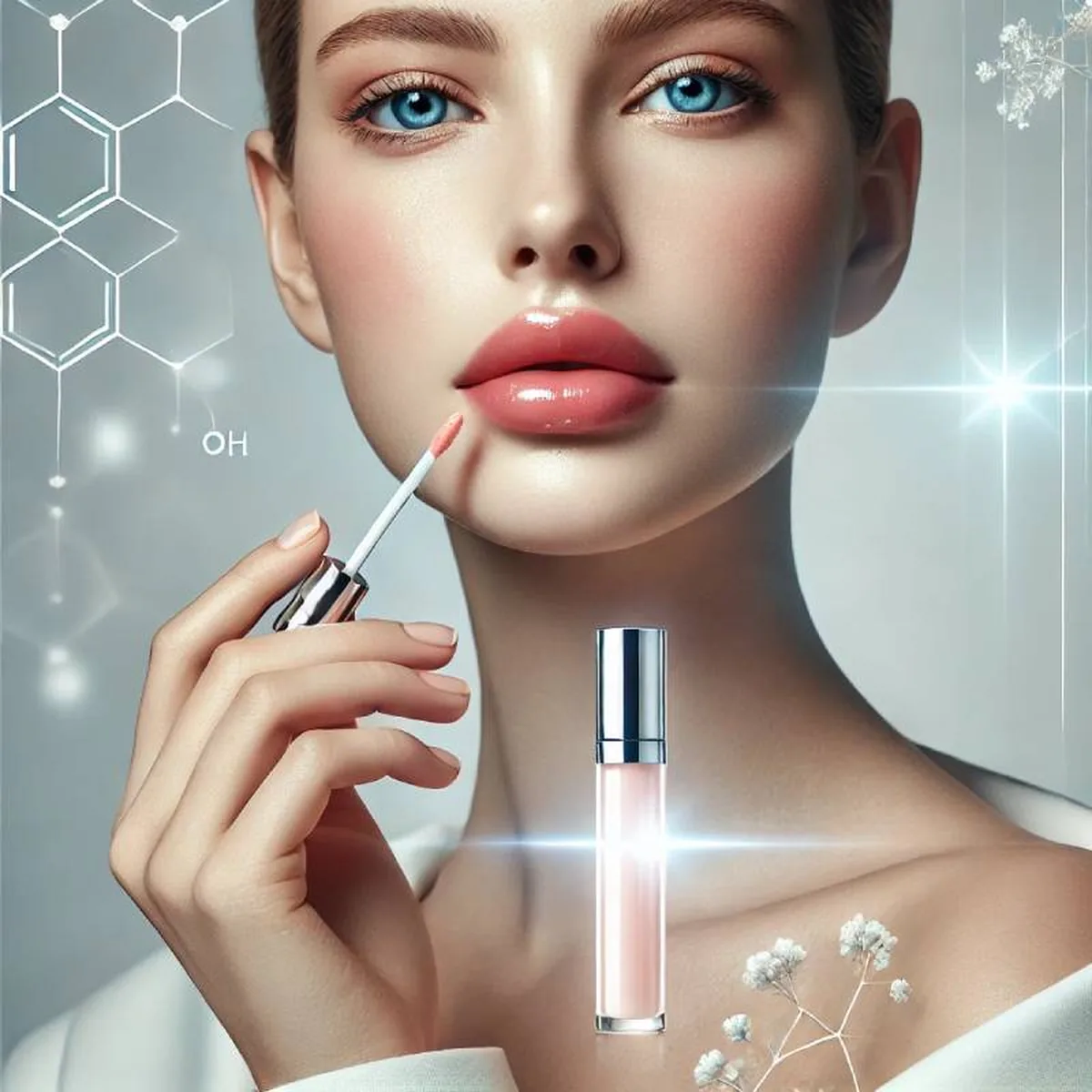
Lipsticks and lip glosses
The paste gives creamy glide, shine and even color.
Face makeup
Foundations, concealers and cream blushes benefit from better pigment dispersion.
Mineral cosmetics
Mineral foundations and powders with a cream base use lipid pastes to bind the minerals.
Sun care
Mineral sunscreens use wetting agents to disperse zinc oxide and titanium dioxide. SPF always depends on tested filters.
Cosmetic milks
Light cleansing and body milks can include it in the oil phase for a soft feel.
Processing
Warm the paste gently with the other oils until it blends evenly. For pigment grinds, mix the paste with the pigments and part of the oils, then grind on a three-roll mill or with a high-shear mixer before adding the waxes. In emulsions, add it to the oil phase before emulsifying.
Good partners
Zinc oxide is a classic mineral partner, and calcium stearate helps powder textures. Browse more in the actives catalog.
Testing
Check color strength, gloss and payoff on drawdown cards. For sun care, measure SPF and check for white cast. Run temperature cycling tests on lipsticks to look for sweating.
Claims
Creamy glide; rich, even color; smooth application; soft skin feel.
Characteristics
Form: pasty substance. Solubility: in oils and other lipids. PH range: 2 to 9. Listed uses: sunscreen cosmetics, decorative face cosmetics, mineral cosmetics, lipsticks, lip glosses, cosmetic milks. INCI and level: supplier data sheet and CoA.
Original recipe: creamy lipstick base, 100 g
Castor oil 38.00 g, IO Makeup and Sun Care Paste-LG1 10.00 g, candelilla wax 12.00 g, carnauba wax 4.00 g, caprylic capric triglyceride 15.00 g, iron oxides and mica 15.00 g, shea butter 4.50 g, tocopherol 1.00 g, flavor oil 0.50 g. Grind the pigments with IO Makeup and Sun Care Paste-LG1 and part of the castor oil, melt the waxes with the remaining oils, combine, add tocopherol and flavor, and pour into molds.
Working across a wide pH range
Most lipid pastes are used in anhydrous products where pH does not apply. In emulsions, a wide tolerance from pH 2 to 9 makes the paste easy to combine with acidic actives or alkaline mineral fillers without worry.
Range ideas
A cream foundation, a lipstick and a mineral SPF fluid can share the same pigment-wetting technology.
Lot records
Keep each CoA with the batch file and note the lot used.
Cosmetic milks
Light cleansing and body milks are simple emulsions with a fluid texture. A lipid paste in the oil phase gives them a richer, softer after-feel without adding weight. Keep the oil phase moderate so the milk stays fluid enough for a bottle.
Mineral makeup tips
Mineral foundations and pressed powders need a binder that holds the minerals together and lets them glide. A small amount of lipid paste blended into the powder base improves adhesion and payoff, and it helps the powder feel creamy instead of dry.
Storage
Store closed in a cool place. Close the container after use.
Product Specifications
Solubilityin oils and other lipids
StorageStore tightly closed in a cool, dry place away from light and heat. Respect the shelf life on the CoA.
TDS / CoA available on request. Contact us
Frequently Asked Questions
Is IO Makeup and Sun Care Paste-LG1 oil-soluble?
Yes. It dissolves in oils and other lipids.
Which products is it for?
Sun care, face makeup, mineral cosmetics, lipsticks, lip glosses and cosmetic milks.
What pH range does it tolerate?
The card gives a wide range of pH 2 to 9.