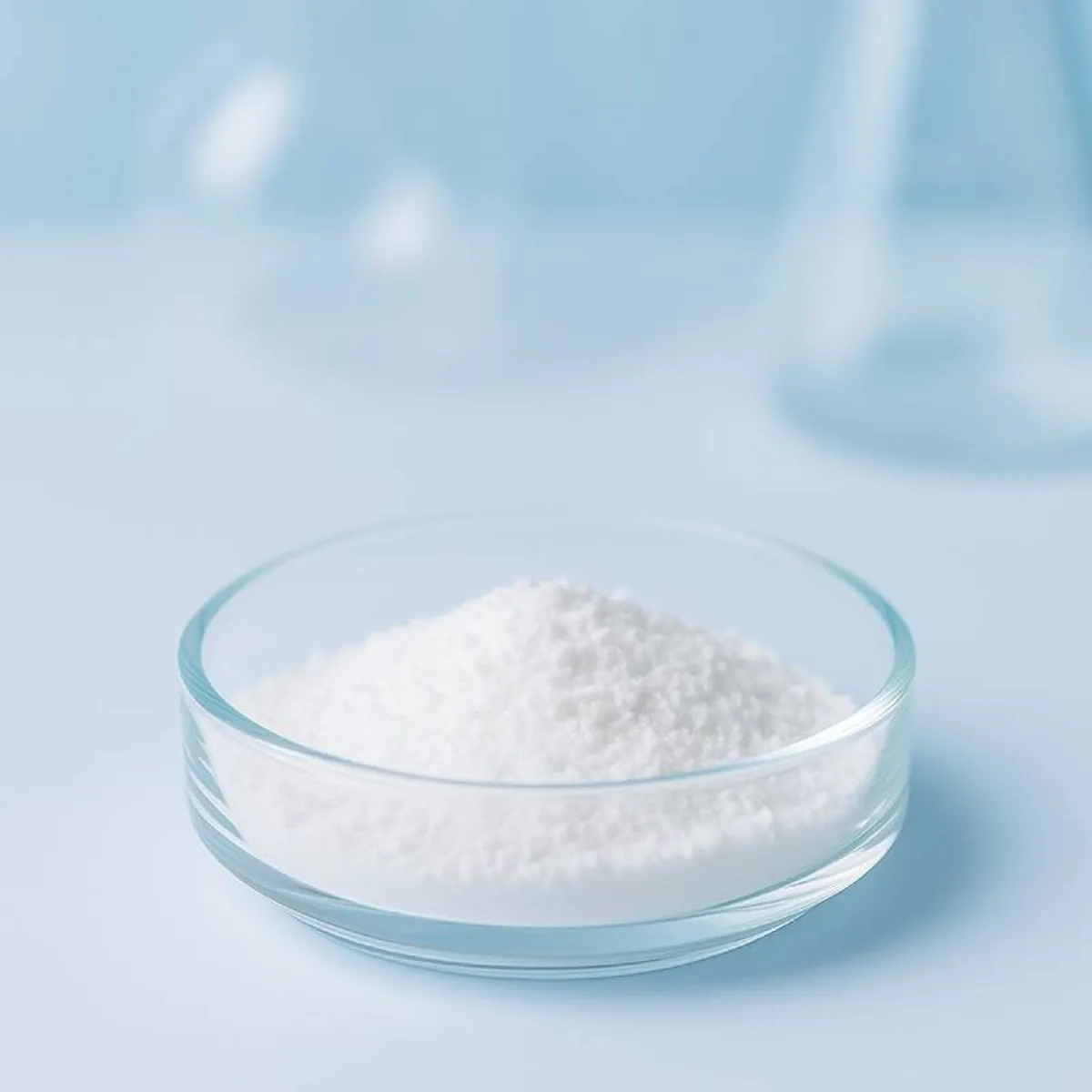
SKU: J90041
Caffeine
$19.99In stock
Packaging
Ships from Florida in 1–2 business days
Ships from FloridaSecure checkoutUsually ships in 1–2 business daysFree US shipping on $35+
Applicationalkaloid
AppearanceCrystal powder
Description
Caffeine at a glance
Caffeine is a crystal powder that dissolves in water. The supplier specification classifies it as an alkaloid, a group of natural plant compounds. Caffeine occurs in coffee beans, tea leaves, guarana and cocoa. In cosmetics it is one of the most familiar actives, used in eye gels, body-contouring products and scalp care. Confirm purity on the supplier CoA.
Why caffeine is a skin care classic
Caffeine is easy to understand for shoppers: it energizes. In skin care, brands use it in products that help the eye area look less puffy and less tired, help skin on the thighs and hips look smoother and more toned, and give the scalp a fresh, energized feel. It is affordable, stable and dissolves in water, which makes it easy to formulate.
Product formats
Eye gels and creams
Gels for a fresher, less puffy-looking eye area are the hero format.
Body-contouring products
Gels and creams for a smoother, more toned-looking body.
Scalp tonics and shampoos
Energizing scalp care for fuller-looking hair.
Face serums
Morning serums for a refreshed, awake look.
Processing
Caffeine dissolves slowly in cold water and much better in warm water. Warm the water phase to about 40 to 50 °C, dissolve the caffeine and then cool. At high levels caffeine can crystallize in the fridge; a glycol such as propylene glycol helps keep it in solution. Check the product after storage at low temperature.
Good partners
Alpha Glucosyl Hesperidin and Sophora Japonica Rutin complete an eye or leg gel. Menthol crystals add a cooling feel. Browse more in the actives catalog.
Testing
Store samples in the fridge and look for crystals. Use image analysis for the eye area and circumference measurements for body products.
Claims
The eye area looks fresher and less puffy; skin looks smoother and more toned; scalp feels energized.
Characteristics
Form: crystal powder. Solubility: water; better in warm water. Type: alkaloid. Grade: supplier CoA.
Original recipe: energizing eye gel, 100 g
Distilled water 88.30 g, caffeine 2.00 g, propylene glycol 3.00 g, glycerin 3.00 g, hydroxyethylcellulose 1.00 g, sodium hyaluronate 0.20 g, panthenol 1.00 g, allantoin 0.20 g, phenoxyethanol and ethylhexylglycerin 1.00 g, citric acid 0.30 g. Dissolve caffeine in warm water with propylene glycol, cool, disperse the cellulose, add the remaining ingredients and adjust the pH.
Avoiding crystals
Caffeine crystals in a gel look like small white needles and feel gritty. They form when the product is cold or when too much caffeine is used. Keep the level within what the water phase can hold at fridge temperature, add a glycol and test samples at 4 °C for at least a month.
Scalp care
In scalp tonics, caffeine is often combined with panthenol and plant extracts in a hydro-alcoholic base. Users apply it to the scalp after washing and massage it in.
Range ideas
An eye gel, a body-contouring gel and a scalp tonic can share caffeine and a fresh, energizing theme.
Lot records
Keep each CoA with the batch file and note the lot used.
Combining with other actives
Caffeine is often paired with peptides in eye care, with plant extracts in body care and with niacinamide in face serums. It dissolves in the water phase with them, but watch the total solids: many actives together can push caffeine to crystallize. Keep the water phase generous.
Morning routines
Caffeine fits the morning: an eye gel kept in the fridge, a refreshing serum and a body gel after the shower.
Record the lot number in your batch log so every production run can be traced back to its certificate of analysis. Retain a small sample of each lot for at least the shelf life of the finished product, since it makes later quality questions much easier to answer.
Storage
Store closed in a dry place. Close the container after use.
Product Specifications
Solubilitywater
StorageStore tightly closed in a cool, dry place away from light and heat. Respect the shelf life on the CoA.
TDS / CoA available on request. Contact us
Frequently Asked Questions
Is caffeine water-soluble?
Yes. It dissolves better in warm water.
What is caffeine used for in cosmetics?
Eye gels, body-contouring products and scalp care with an energizing story.
Why does caffeine crystallize in my gel?
The level is too high for the water content or temperature; lower it or add a glycol.