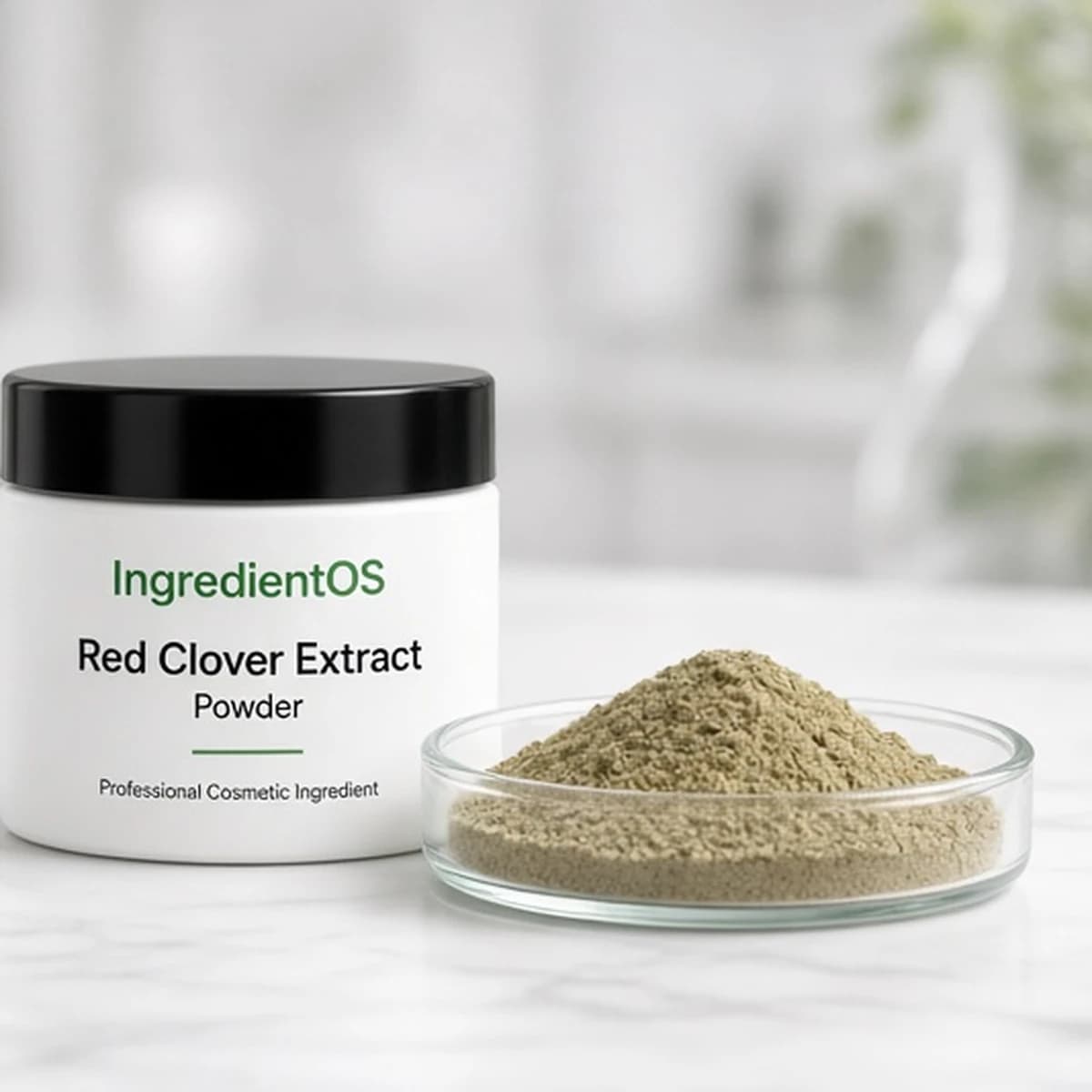
Red Clover Extract Powder
SKU TM19031411
From $18.24
Dry botanical extracts and plant powders for creams, masks and scalp care, sold by weight.
Showing 11 of 11 products
SKU TM19031411
From $18.24
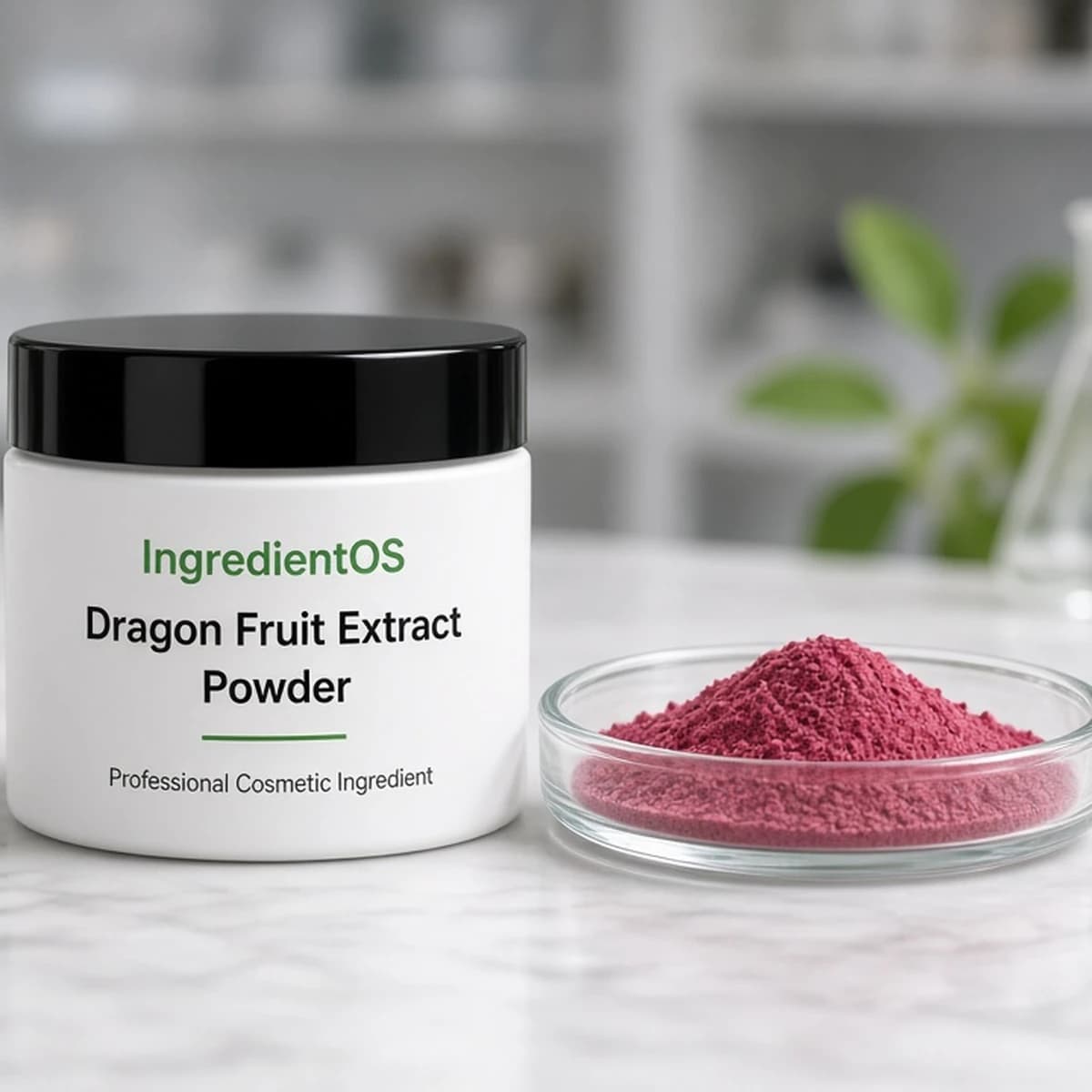
SKU VV26051401
From $9.99
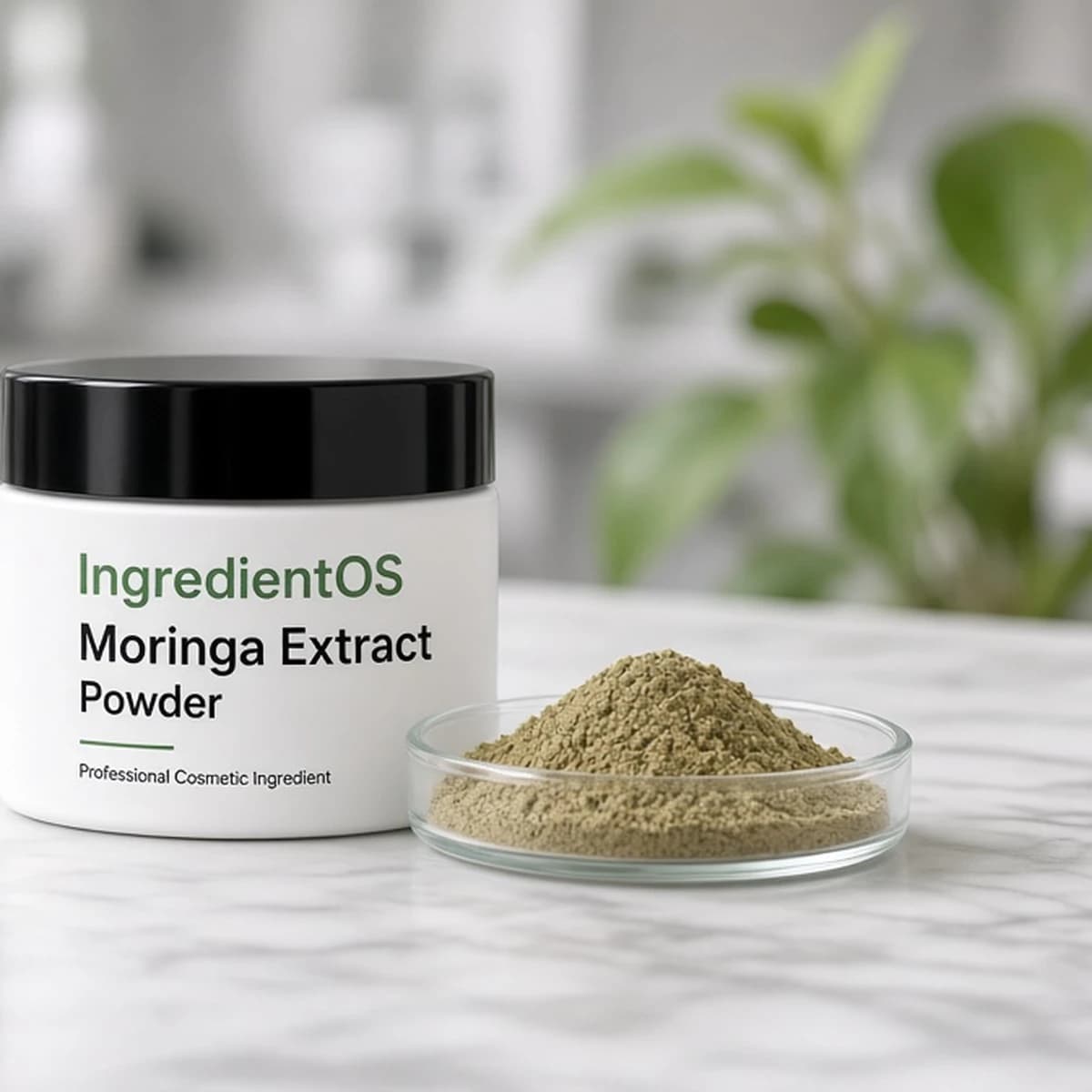
SKU VV26051509
From $9.99
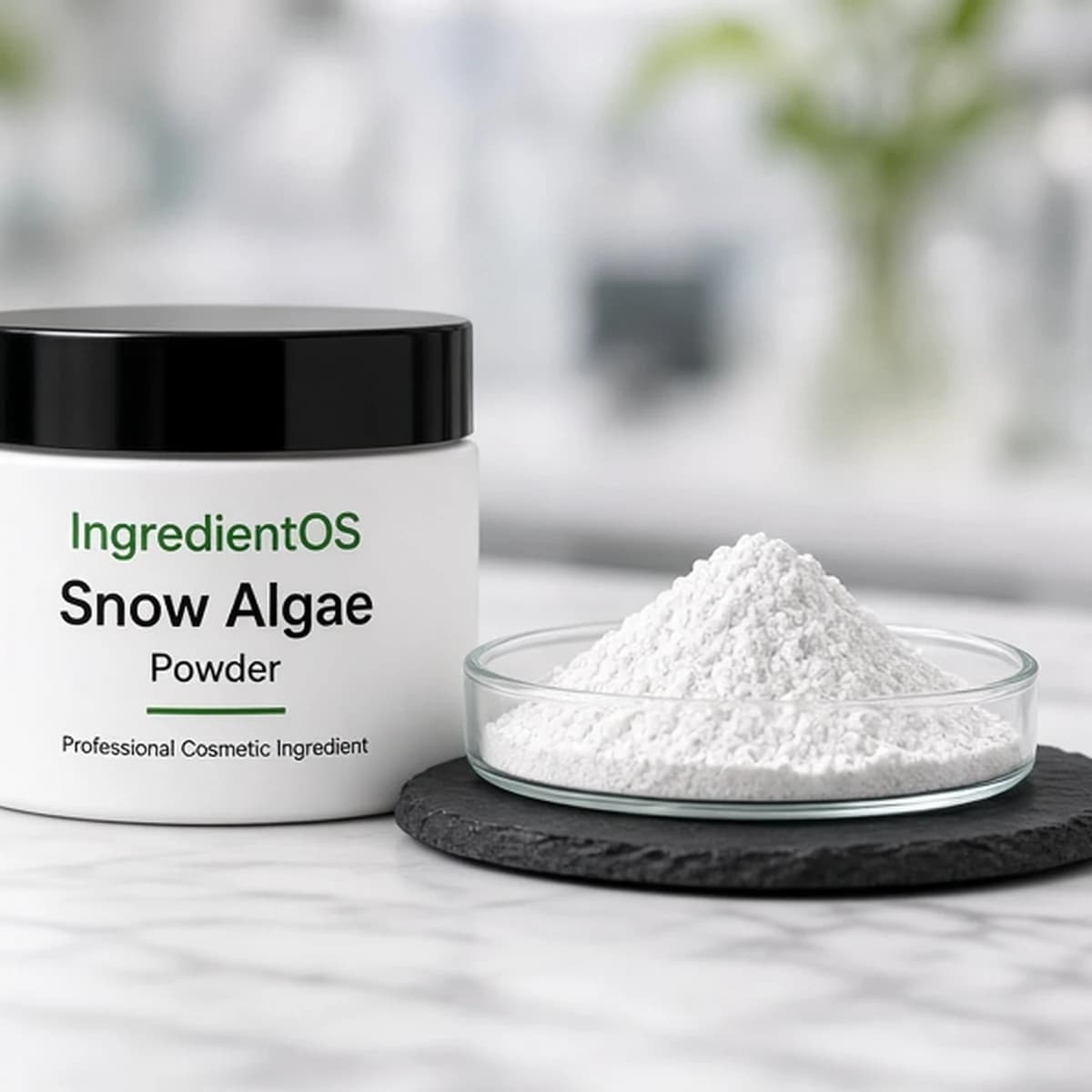
SKU VV17022104
From $9.99
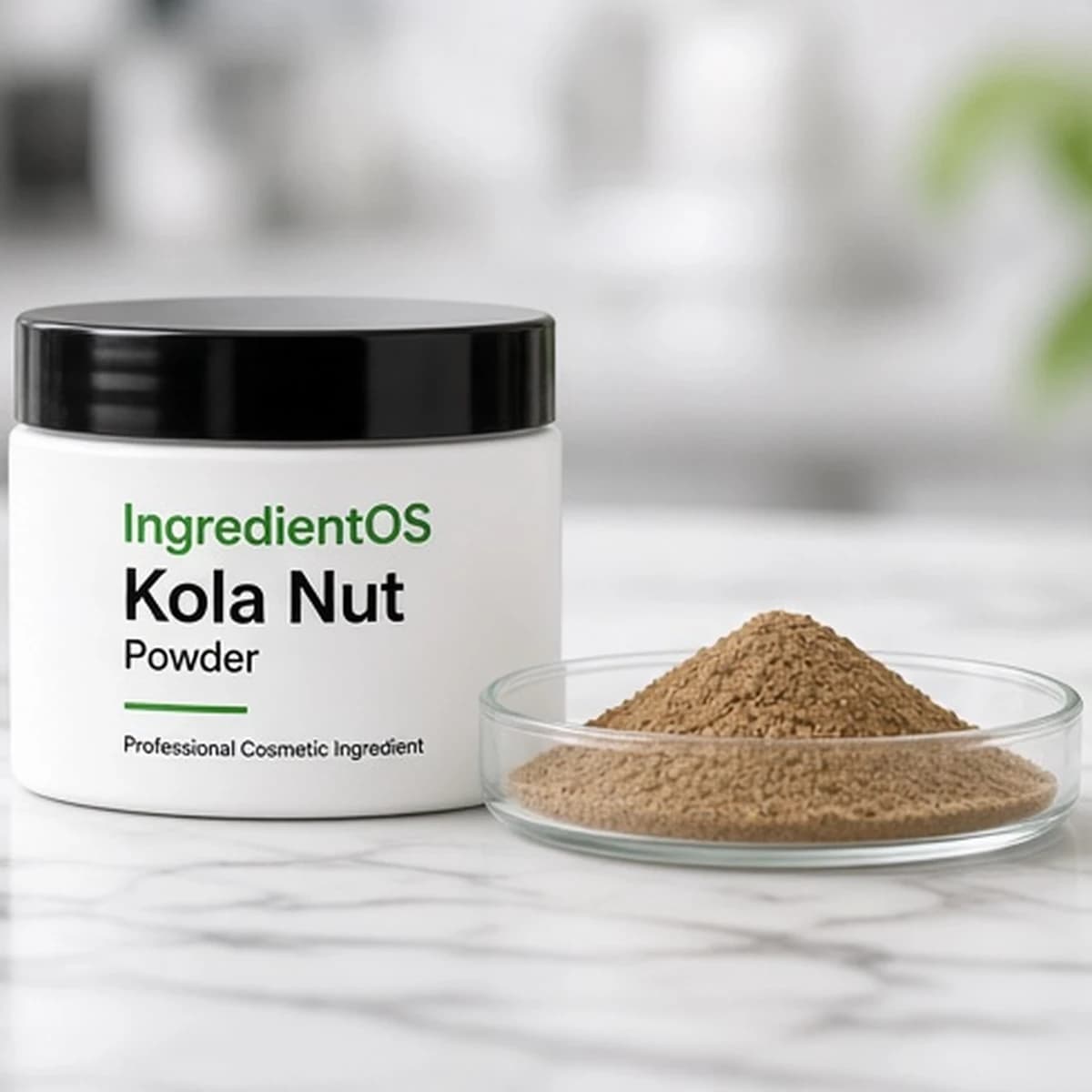
SKU TM17030304
From $11.82
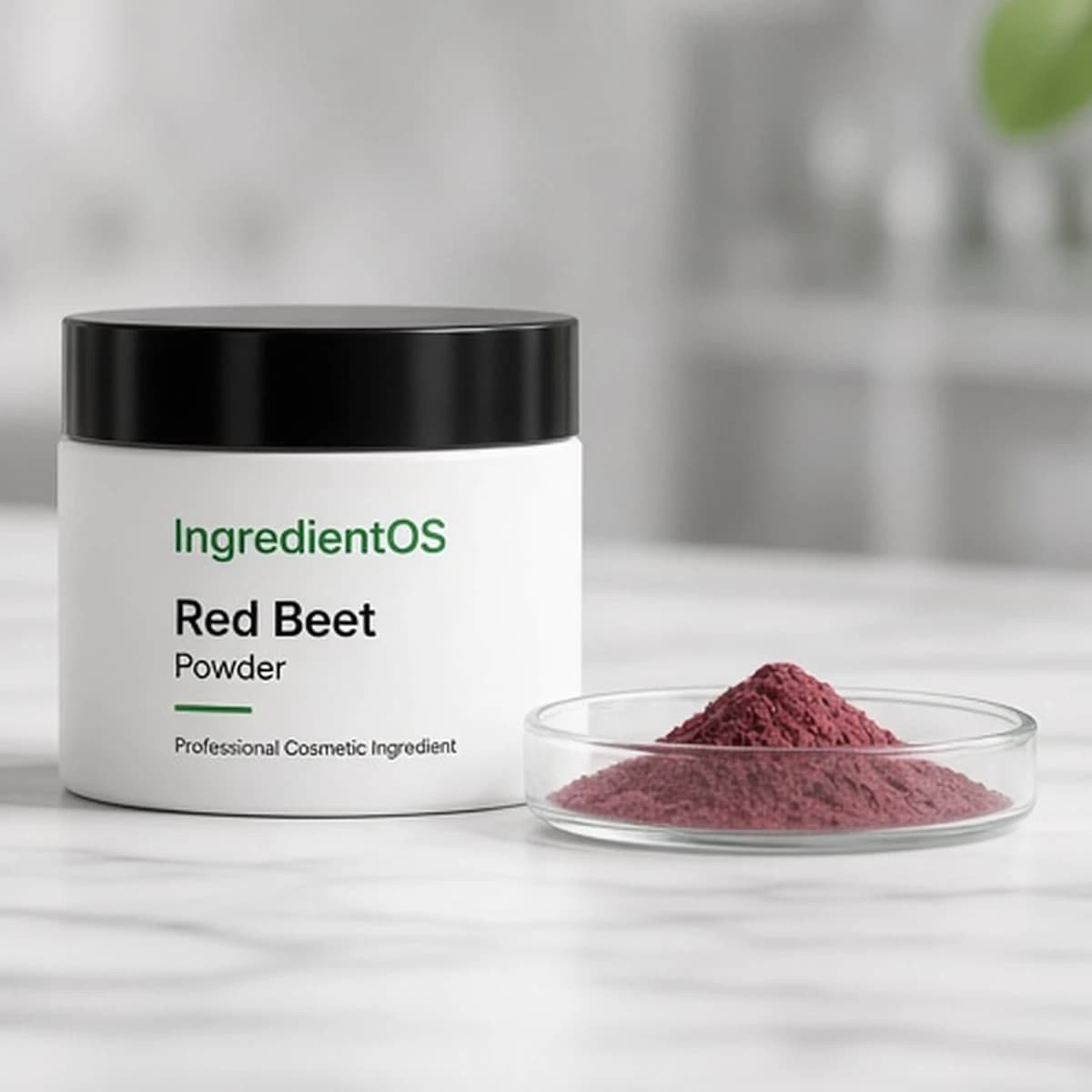
SKU TM20101414
From $9.07
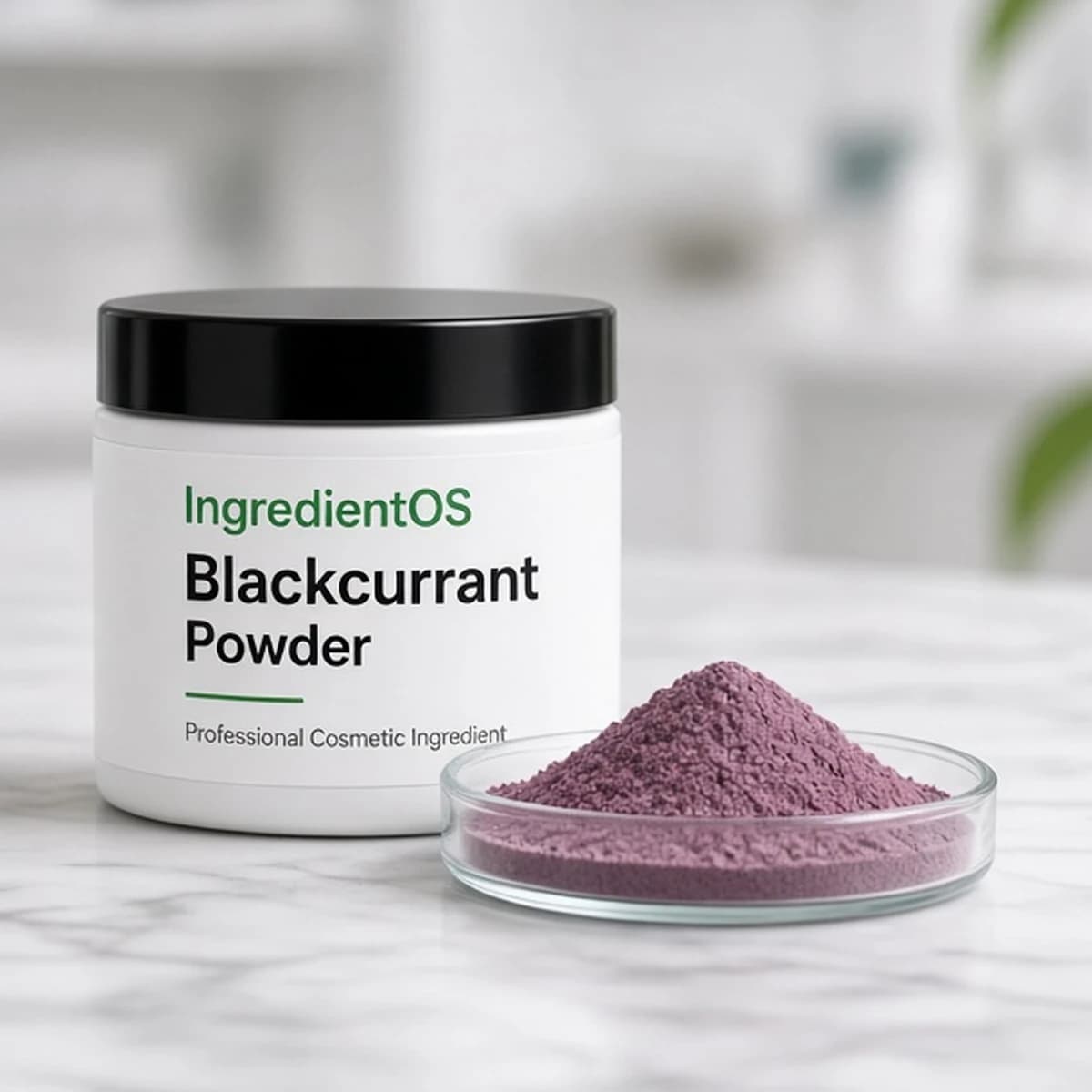
SKU TM17030404
From $14.92
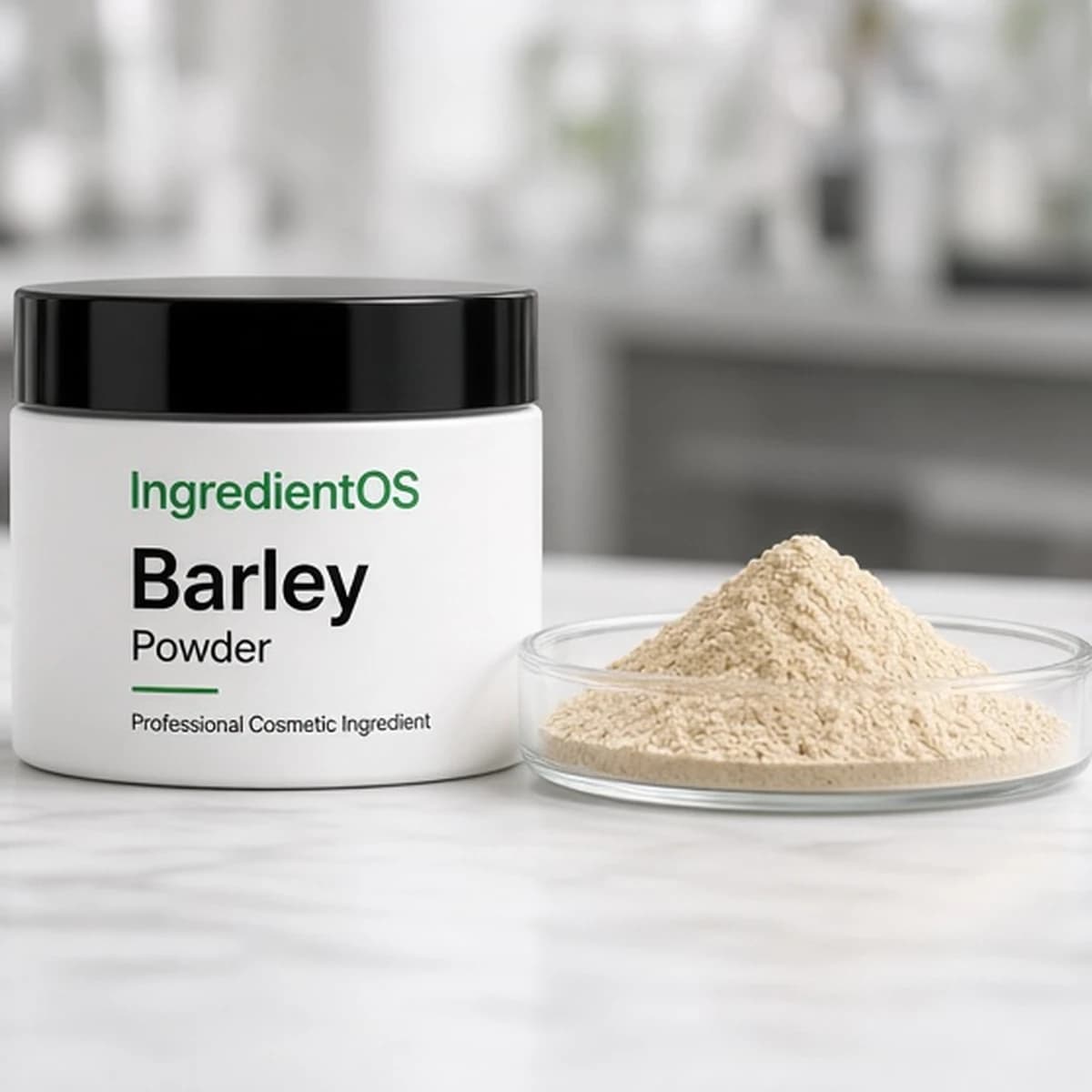
SKU TM20112015
From $9.99
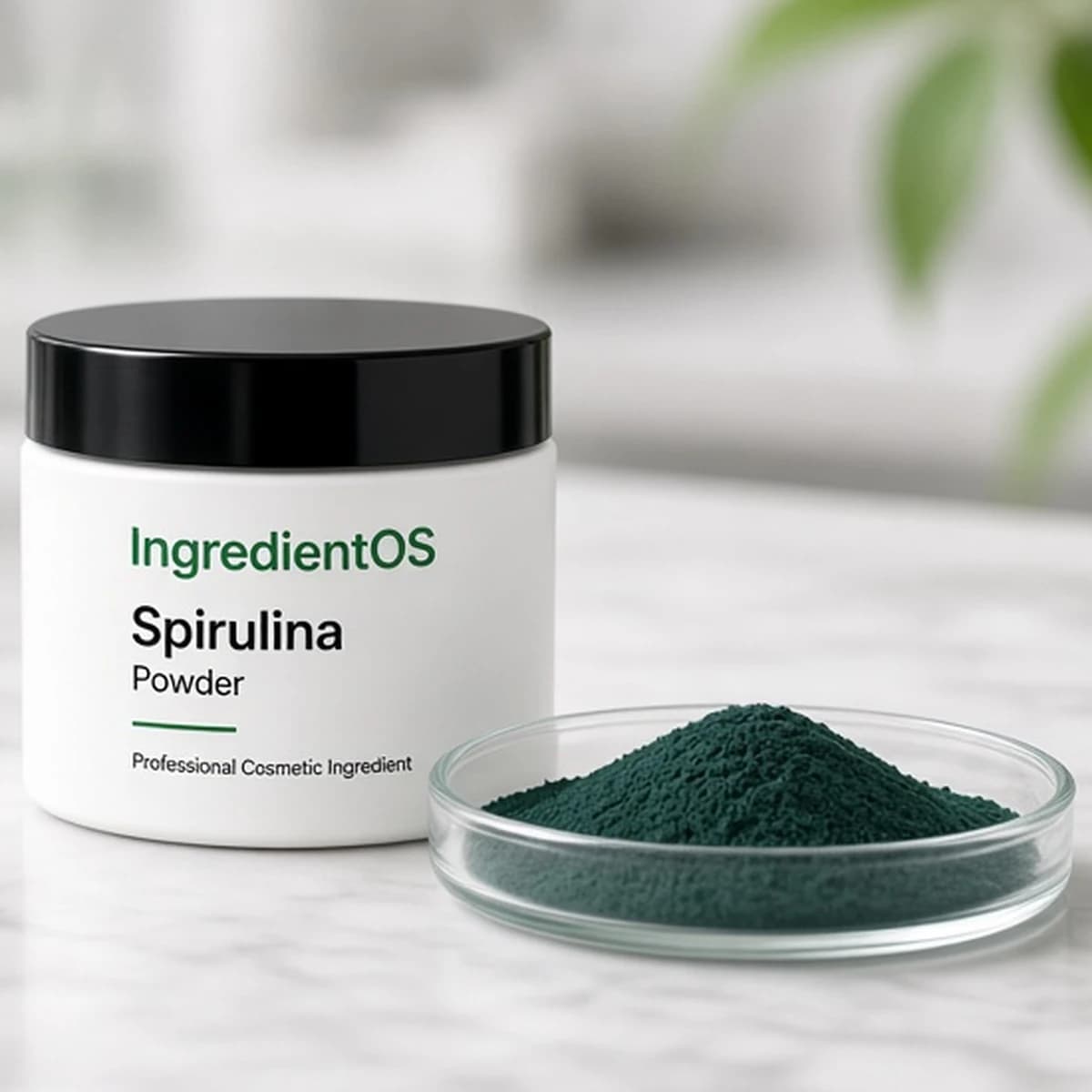
SKU L30010
From $7.46
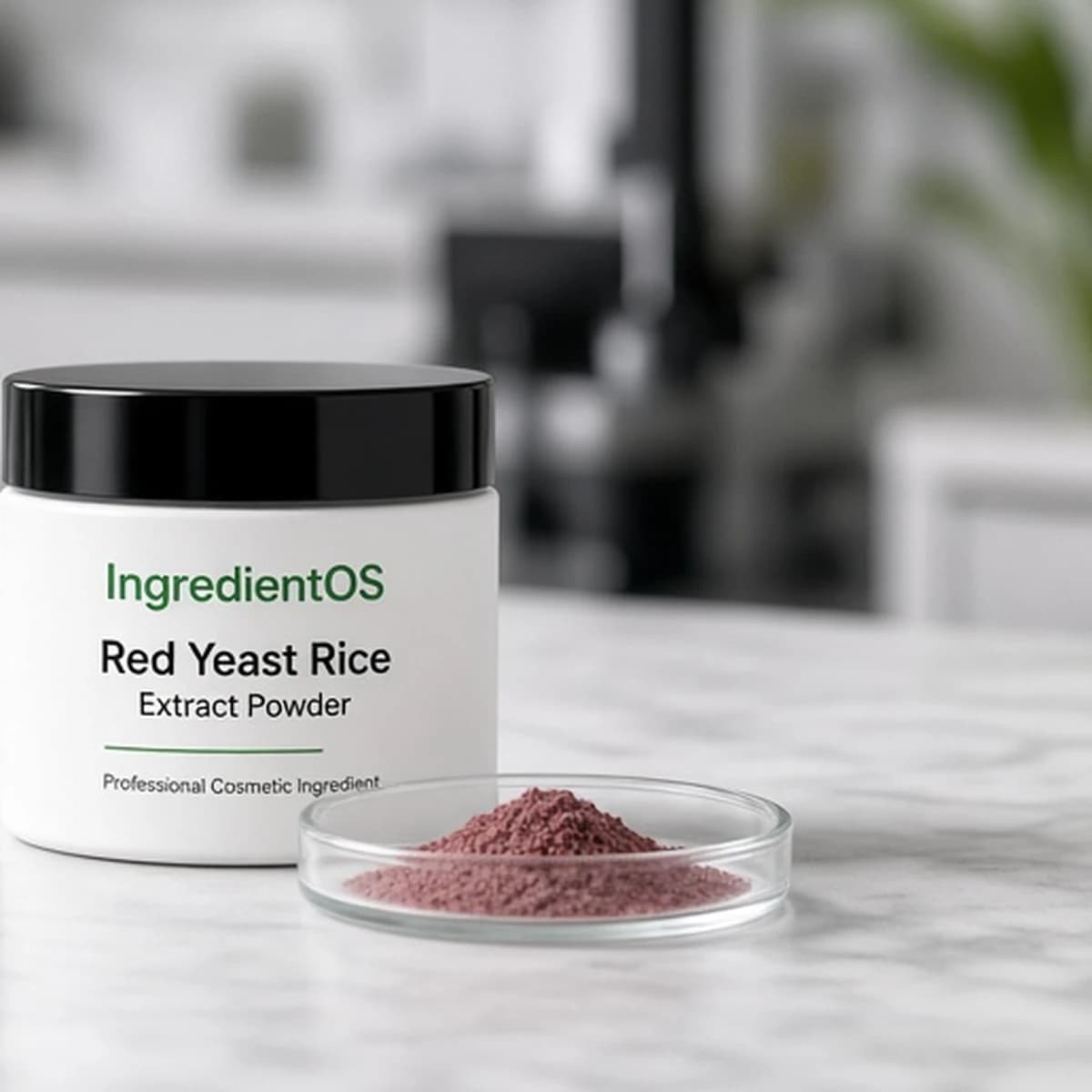
SKU VV26052706
From $9.99
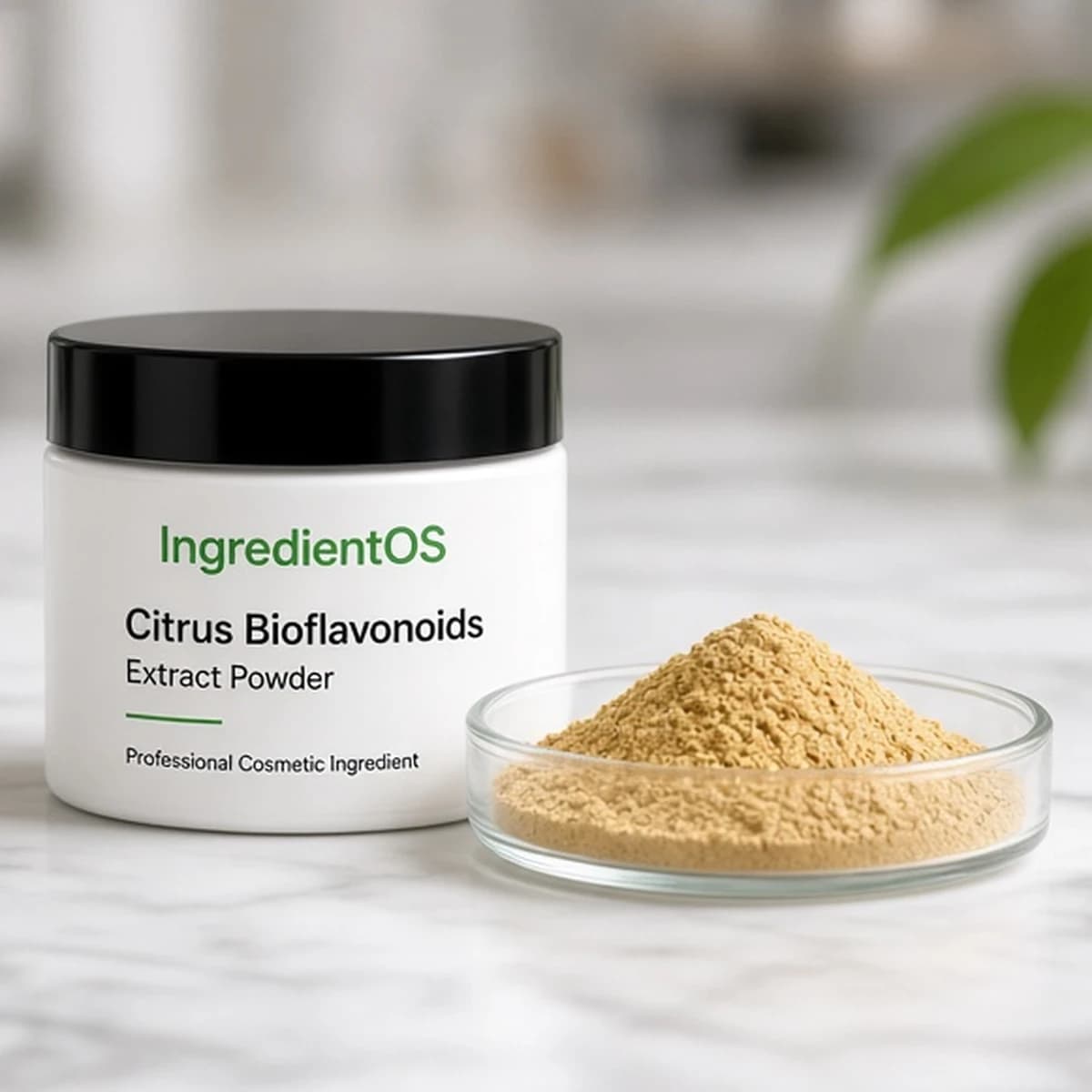
SKU TM19080715
From $15.10
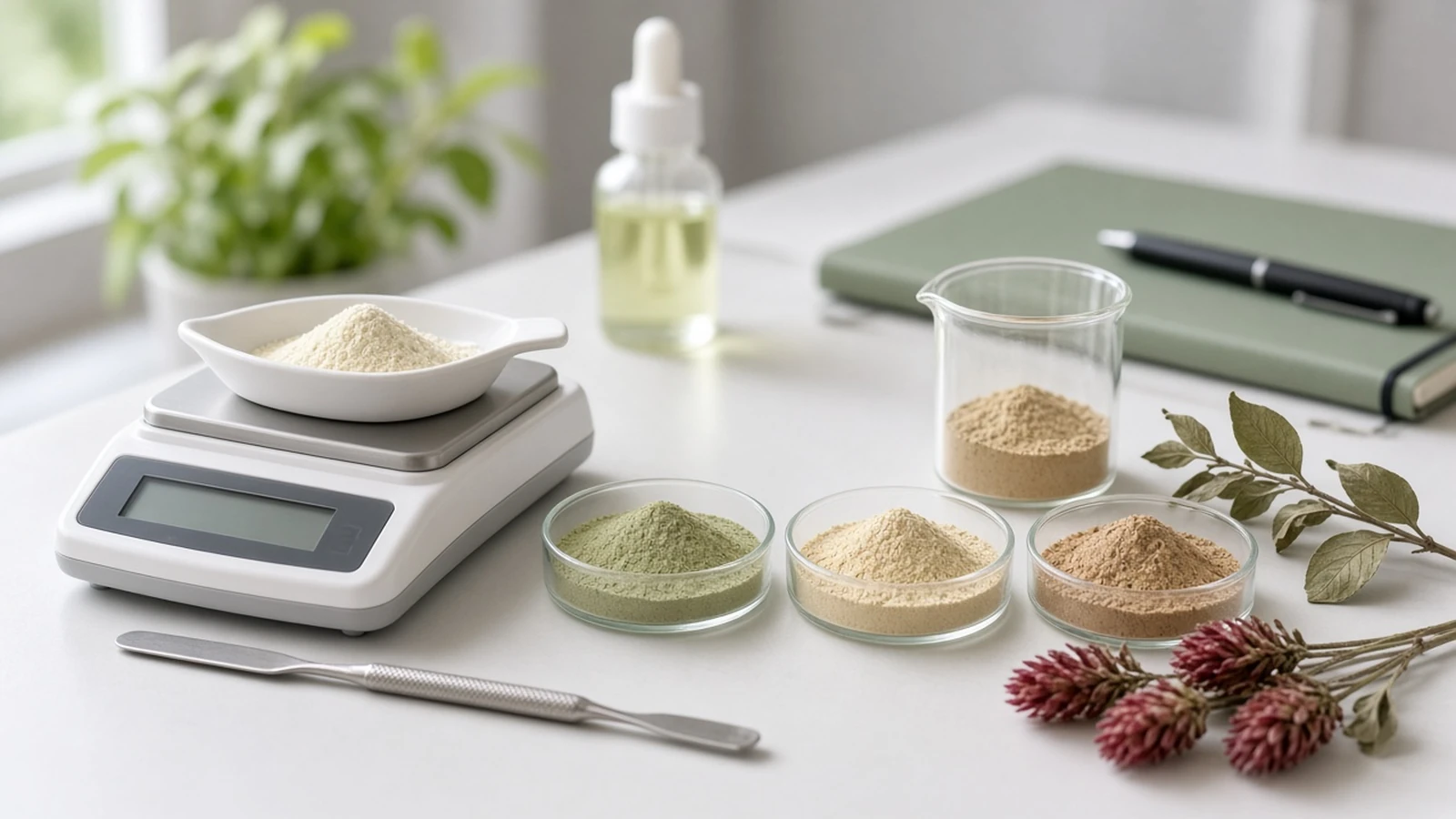
Plant Extract Powders brings together our dry botanical raw materials. These are fruit, herb and plant extracts dried to a free-flowing powder, as well as whole-plant powders, and they are sold by weight. What they share is format. There is no added water or glycol, so the formulator chooses the vehicle, the dose and the stage of addition.
Liquid botanical extracts have their own place in Botanical Extracts. This section is for buyers who prefer a dry material that stores compactly and weighs precisely in small pilot batches, and that can go into anhydrous or powder products where a liquid extract would not fit.
The main use is cosmetics and personal care. Typical homes are creams and lotions, wash-off clay and peel-off masks, scalp and hair care products, body care and dry powder formats such as cleansing grains and powder-to-foam concepts. Some botanical powders also add natural color, so a single material can carry both a plant story and a visual cue in a mask or scrub.
An extract powder, such as Red Clover Extract Powder with its 4:1 ratio, is made by extracting the plant and drying the extract, often onto a carrier like maltodextrin. A whole-plant or fruit powder is the dried plant ground fine. Extracts are more concentrated and disperse more readily in water. Whole powders bring more fiber and texture, which suits masks and scrubs.
Check the carrier on each product page. Maltodextrin carriers wet out in water and suit the water phase, while carrier-free powders may need more mixing or are better in dispersions. If the end product must be clear, plan for some haze from natural plant solids and test before scaling up.
Botanical powders vary in shade from lot to lot. If color matters for your finished product, compare the current lot with your standard before production. Each product page states the color of the reference lot, which helps when you match a new batch to an earlier one.
Add powders to the water phase by sprinkling them in under stirring, or premix them with glycerin to avoid lumps. Keep heat moderate where you can and add color-sensitive materials during cool-down. Water-based products containing plant powders need a robust preservative system, because sugars and plant solids support microbial growth. Always store the opened jar sealed and dry, since many powders pick up moisture from the air.
Fruit powders such as Blackcurrant Powder work well for color and a fruit story in masks. For protein-based conditioning ingredients for skin and hair formulas, browse our Hydrolyzed Proteins range.
A liquid extract is already dissolved in a solvent such as glycerin, water or glycol. A powder is dry, so you choose the solvent and the concentration yourself.
Extract powders on a water-soluble carrier disperse well in water, but plant solids can leave a slight haze. Whole-plant powders stay partly suspended.
Keep them tightly closed in a cool, dry and dark place, and reseal the jar quickly after use because most powders absorb moisture.
Each lot has supplier documents such as a certificate of analysis. Ask us for the current lot paperwork before you finalize a formula.