SKU: VV26051401
Dragon Fruit Extract Powder
$9.99In stock
INCI: Hylocereus Undatus Fruit Extract (and) Maltodextrin
Usage Rate: 0.1-3% of the finished formula, by product type
Packaging
Powder sizes (metric · US)
Ships from FloridaSecure checkoutUsually ships in 1–2 business daysFree US shipping on $50+
ApplicationApplications in various fields Skin care Serums Creams and emulsions Masks Tonics Moisturizers Body care Lotions Gels Refreshing products Hair care Scalp tonics Hair moisturizers SPA and wellness industry Fruit care programs Refreshing complexes Food industry Functional drinks Smoothie mixes Natural food products Nutraceuticals Antioxidant complexes Functional blends
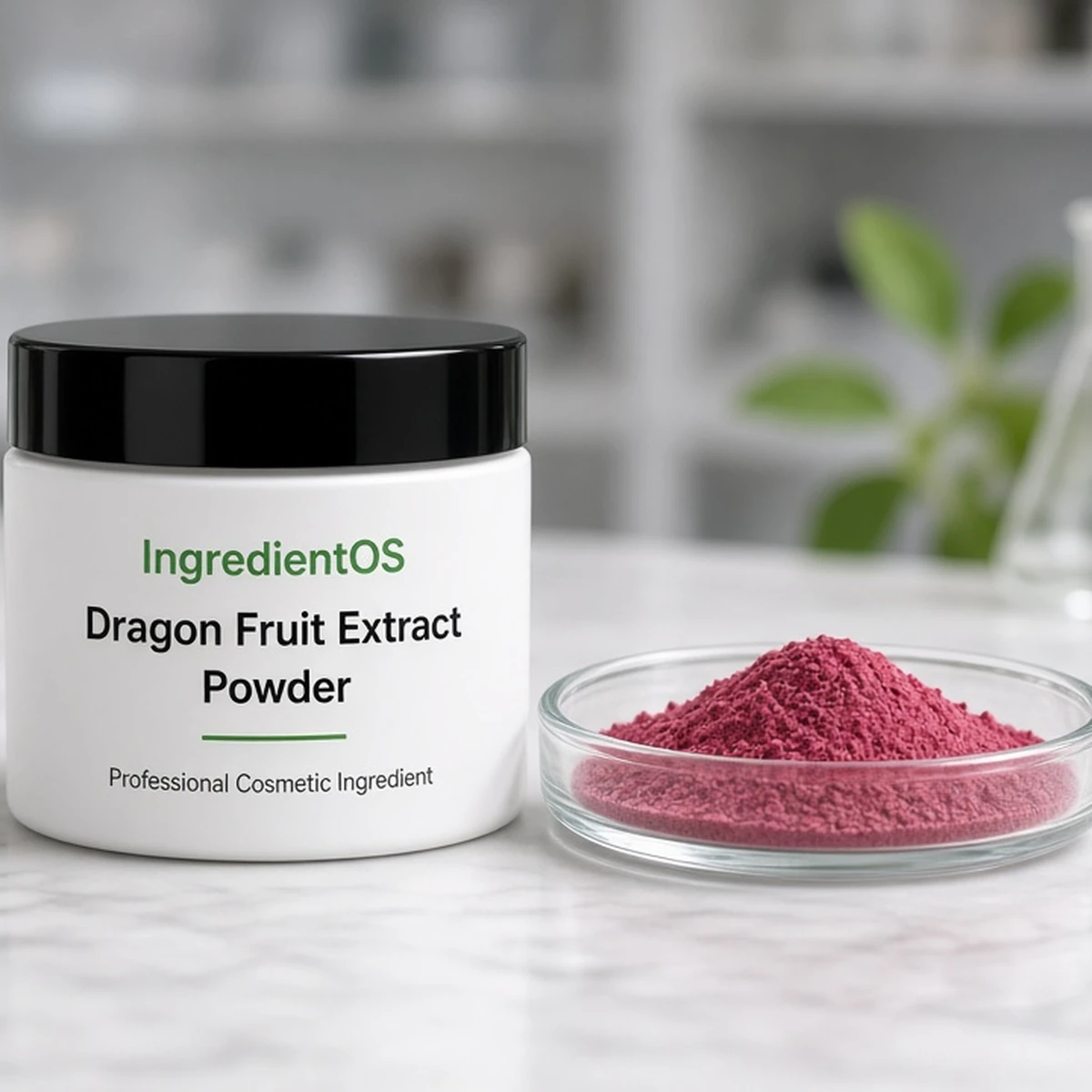
Appearancepowder
Description
Dragon Fruit Extract Powder at a glance
Dragon Fruit Extract Powder is a concentrated fruit extract from France. Its INCI is Hylocereus Undatus Fruit Extract (and) Maltodextrin. The powder ranges from pink to red violet. Other names are pitaya extract powder, pitahaya powder extract and hylocereus extract powder. The supplier describes it as a functional plant powder active for moisturizing and antioxidant care, for glow and fresh skin formulas and for modern fruit products.
The fruit
Dragon fruit, or pitaya, grows on a climbing cactus. Its striking pink skin and juicy flesh have made it a symbol of exotic freshness. The extract keeps polyphenols, fruit acids, vitamins and natural antioxidants from the fruit, while maltodextrin serves as the carrier that turns the extract into a free flowing powder.
What it does
The supplier says the powder supports moisture and a better look of the skin, keeps the skin looking fresh and radiant and has antioxidant properties. It is used in care for dull and dehydrated looking skin and helps improve the look of skin texture. It fits current glow and hydration trends and natural fruit cosmetics.
Dissolving
The powder dissolves easily in hot water and in polysorbate 80. A barely visible sediment is possible, which is normal for natural fruit extracts. For clear tonics, dissolve it in warm water and filter if needed. It suits water based and emulsion systems. The natural color can tint light formulas a soft pink.
Dosing
The supplier gives separate ranges. Serums use 0.1 to 2%. Creams and emulsions use 0.1 to 1%. Masks use 0.5 to 3%. Tonics and hair care products use 0.1 to 1%.
Sample recipe: glow gel serum, 100 g
Distilled water 89.60 g, glycerin 4.00 g, propanediol 3.00 g, xanthan gum 0.30 g, sodium hyaluronate 0.20 g, Dragon Fruit Extract Powder 1.00 g, panthenol 0.80 g, preservative 1.00 g, citric acid solution 0.10 g. Dissolve the powder in warm water, cool, disperse xanthan and hyaluronate in glycerin and propanediol, combine, add panthenol and the preservative, and adjust to about pH 5.5. For extra glow, add niacinamide to the water phase in your own variation.
Masks and SPA
Masks can carry the highest level, up to 3%. Sheet mask essences, cream masks and gel masks with the vivid pink powder look attractive and fit fruit care programs and refreshing SPA rituals. A pairing with snow algae powder gives a fresh, radiant story. More fruit and plant powders are in the plant extract powders section.
Body and hair
Body lotions, refreshing gels and shower products use 0.1 to 1%. For hair, scalp tonics and light hair moisturizers bring the fruity, fresh theme to a hair care range.
Color and fragrance
The natural pink to red violet shade is a design element. Clear packaging shows it off, and a matching fruity fragrance completes the concept. Protect colored products from strong light to keep the shade stable.
Tonics
Tonics use 0.1 to 1%. Dissolve the powder in warm water, filter for a clear look and combine it with humectants such as glycerin. A pink tonic with a fruity scent is a strong visual product for a fresh morning routine.
Creams and emulsions
In creams, add the dissolved extract at cool-down below 40 °C. Keep the level at 0.1 to 1%. A light gel cream for dull looking skin combines it with hyaluronic acid and a fresh, fruity fragrance.
Claims
Typical cosmetic claims are a fresh, radiant look, better hydrated feeling skin and a smoother looking texture. Antioxidant claims can refer to the natural polyphenols of the fruit.
Storage
Store in a cool, dark place in a tightly closed pack. A certificate of analysis comes with every lot.
Product Specifications
INCIHylocereus Undatus Fruit Extract (and) Maltodextrin
Usage Rate0.1-3% of the finished formula, by product type
SolubilityEasily soluble in hot water and polysorbate 80, a slight sediment is possible
StorageStore tightly closed in a cool, dry place away from light and heat. Respect the shelf life on the CoA.
TDS / CoA available on request. Contact us
Frequently Asked Questions
What is the INCI?
Hylocereus Undatus Fruit Extract (and) Maltodextrin.
How much should I use?
0.1 to 2% in serums, 0.1 to 1% in creams, tonics and hair care, and 0.5 to 3% in masks.
How do I dissolve it?
In hot water or polysorbate 80. A barely visible sediment is possible.