SKU: VV23112110
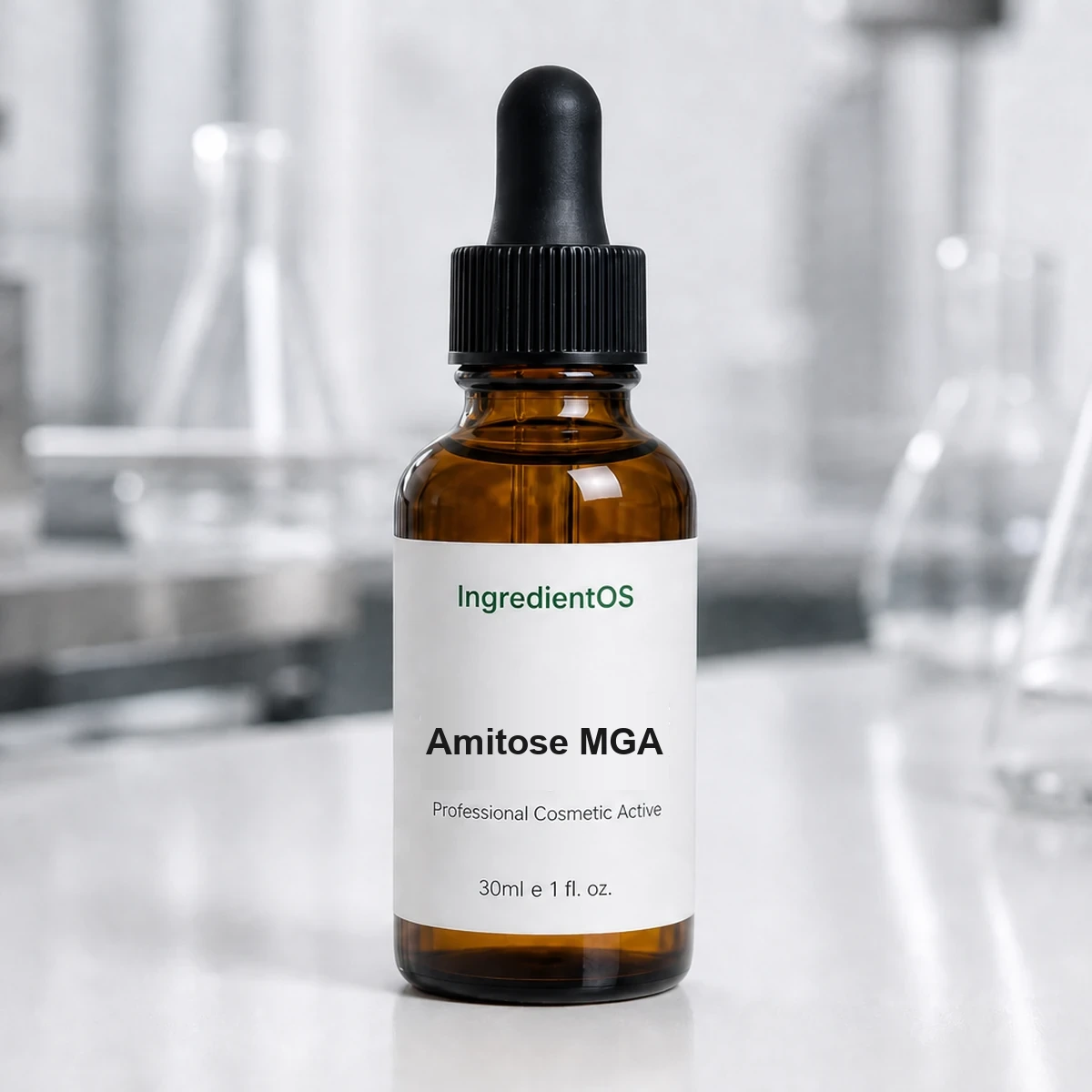
IO Vitamin C Derivative Cream Liquid
$15.99In stock
Usage Rate: Typical: use the supplied liquid active concentrate at supplier-recommended levels in leave-on formulas, delivering approximately 0.1–0.5% pure active in the finished product (1000–5000 ppm).
Packaging
Liquid sizes — 10 mL sample through bulk (US · metric)
Ships from FloridaSecure checkoutUsually ships in 1–2 business daysFree US shipping on $50+
ApplicationCreams Lotions Balms
AppearanceLiquid active concentrate
pH3.0 – 6.0
Description
Most vitamin C derivatives are presented in thin serums and toners. IO Vitamin C Derivative Cream Liquid takes a different direction on its product card: creams, lotions and balms. That makes it interesting for brands that want a radiance ingredient in a comforting, emulsion-based product rather than in another watery serum.
The glyceryl ascorbate family
Glyceryl ascorbates are made by attaching ascorbic acid to glycerin. The result is more stable in water than pure vitamin C and brings a humectant character from the glycerin part. This ingredient range includes several grades; our catalog lists IO Vitamin C Derivative Liquid and IO Vitamin C Derivative Tonic Liquid as well. The exact INCI of MGA is confirmed on the supplier CoA for each lot, and that is the document to use for the ingredient list.
Specifications from the card
Liquid, soluble in water, pH 3.0 to 6.0 as supplied. Applications: creams, lotions and balms.
Why put a vitamin C derivative in a cream
Many customers prefer a single comforting cream over several layers of serums. Adding a stable vitamin C derivative to that cream lets the product carry a radiance message while still delivering moisture and barrier comfort. It also suits customers with dry skin who find thin acidic serums uncomfortable.
Product formats
Day cream
A light, fast-absorbing emulsion for morning use under sunscreen. The derivative supports a fresh-looking complexion.
Body lotion
Body lotions with vitamin C derivatives are less common and can stand out. Position them for a more even-looking, radiant skin on arms and legs.
Balm
Rich balms for dry areas such as hands, elbows and the face in winter. Check that the derivative stays evenly distributed in a high-wax base.
Formulating guidance
Add the liquid to the cooled emulsion below about 40 °C. Measure the pH immediately after addition and adjust to a mildly acidic range compatible with your preservative and emulsifier. Some emulsifiers lose stability at low pH, so choose a system that tolerates it, for example glucoside or polyglyceryl types. Protect the batch from strong light and metal ions. A gentle partner for an even-looking tone is beta arbutin; confirm compatibility in your base. More radiance ingredients are listed under actives.
Claims and communication
Use wording such as brighter-looking, more radiant and soft, comfortable skin. Mention that daily sun protection is part of any radiance routine. Base claims on testing of the finished product.
Packaging
Tubes and airless jars reduce air contact compared with open jars. For balms, a stick or a tin with a small surface area limits exposure. Opaque materials protect the ascorbate from light.
Testing program
Stability at room temperature, 40 °C and with light exposure for at least eight weeks. Check pH, viscosity, color and odor, and look for separation in emulsions at low pH. A centrifuge test helps predict long-term emulsion stability.
Range planning
A brand can build a simple radiance routine with this ingredient toner, this ingredient day cream and a separate sunscreen. Using related grades in different products keeps the vitamin C theme consistent across textures.
Original recipe: radiance day cream, 100 g
Phase A: water 71.60 g, glycerin 3.00 g, xanthan gum 0.20 g, sodium phytate 0.10 g. Phase B: polyglyceryl-3 methylglucose distearate 3.50 g, cetearyl alcohol 2.00 g, caprylic/capric triglyceride 7.00 g, squalane 3.00 g, shea butter 2.00 g. Heat An and B to 75 °C, emulsify and cool. Phase C below 40 °C: IO Vitamin C Derivative Cream Liquid 4.00 g as an example level per CoA, panthenol 1.00 g, tocopherol 0.50 g, preservative 1.00 g, sodium hydroxide solution 1.10 g. Adjust pH to 5.0 to 5.5.
Storage
Keep tightly closed in a cool place away from light. Reseal right after use.
Product Specifications
Usage RateTypical: use the supplied liquid active concentrate at supplier-recommended levels in leave-on formulas, delivering approximately 0.1–0.5% pure active in the finished product (1000–5000 ppm).
SolubilityWater-soluble liquid active concentrate. Add directly to the water phase during cool-down.
StorageStore tightly closed in a cool, dry place away from light and heat. Respect the shelf life on the CoA.
TDS / CoA available on request. Contact us
Frequently Asked Questions
What products is IO Vitamin C Derivative Cream Liquid intended for?
Creams, lotions and balms, according to the product card.
What pH does the material have?
3.0 to 6.0 as supplied. Measure and adjust the finished product pH.
Is it water-soluble?
Yes, the card lists solubility in water.
Where is the exact INCI?
On the supplier CoA for each lot.