SKU: TM20041513
Vitamin C Derivative Liquid, IO
$15.99In stock
Usage Rate: Typical: use the supplied liquid active concentrate at supplier-recommended levels in leave-on formulas, delivering approximately 0.1–0.5% pure active in the finished product (1000–5000 ppm).
Packaging
Liquid sizes — 10 mL sample through bulk (US · metric)
Ships from FloridaSecure checkoutUsually ships in 1–2 business daysFree US shipping on $50+
ApplicationWith it you can create toners, transparent gel face serums and different types of emulsions.
AppearanceLiquid active concentrate
pH2.0-5.0
Description
Pure vitamin C is famous and fragile. It oxidizes in water, turns yellow and loses activity, which makes it difficult to use in simple serums. Chemists have developed many derivatives to solve that problem. Vitamin C Derivative Liquid belongs to the glyceryl ascorbate family, in which ascorbic acid is joined to glycerin to give a more stable, water-soluble molecule that is easy to formulate.
Identity
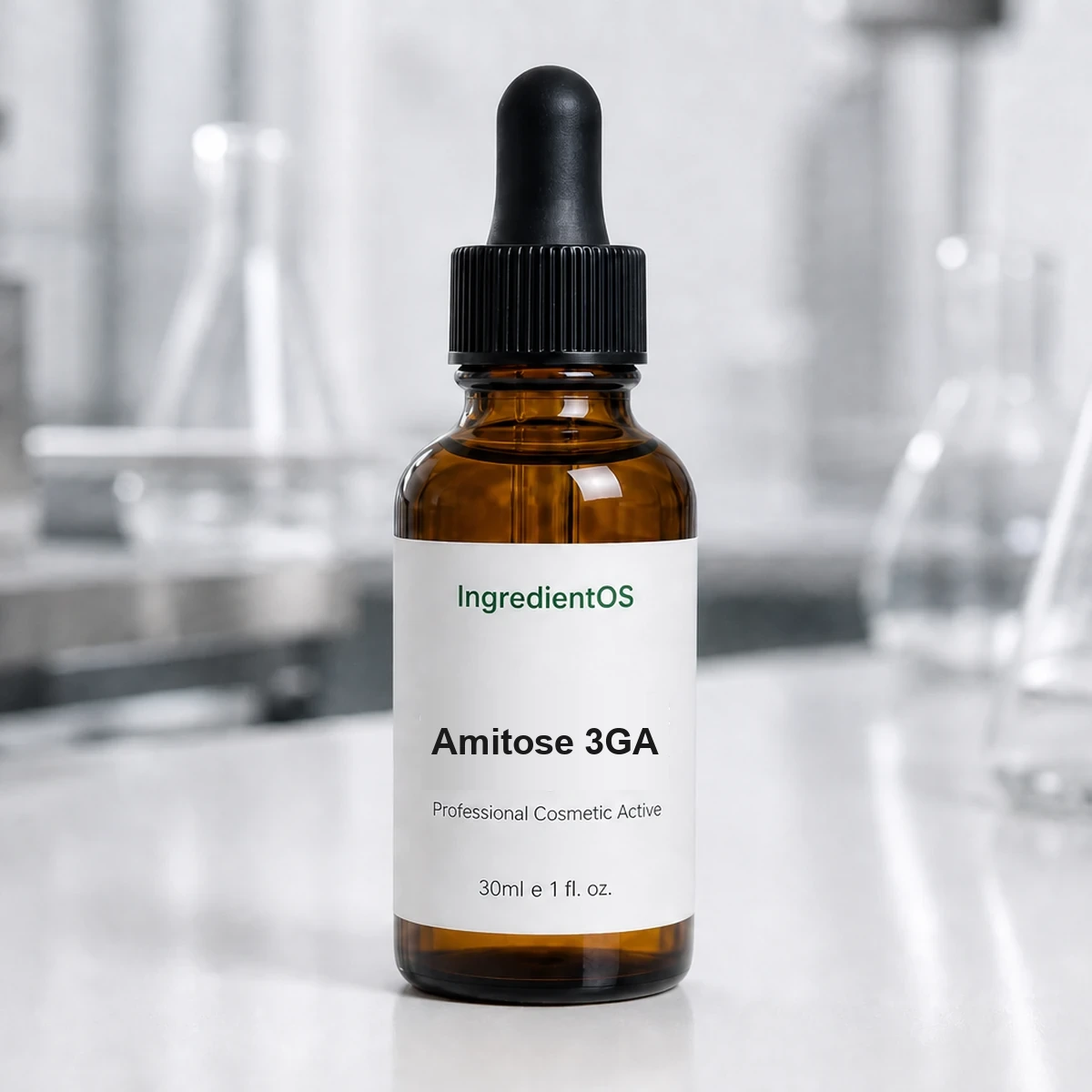
The product name 3GA is commonly associated with 3-glyceryl ascorbate. Because trade names and grades can differ, confirm the exact INCI and concentration on the supplier CoA for each lot. Our catalog also includes 3-Glyceryl Ascorbate as a separate listing; compare the CoA documents to see how the two relate before switching between them.
Specifications from the card
Liquid. Soluble in water, propylene glycol and glycerin. PH of the material 2.0 to 5.0. The card states that it can be used to create toners, transparent gel face serums and different types of emulsions.
Product ideas
Radiance toner
A thin, clear toner applied after cleansing gives a gentle daily dose of a vitamin C derivative. Add a humectant and a soothing ingredient.
Transparent gel serum
Clear gels highlight the clean look of the product. Choose a thickener that tolerates the acidic nature of the material, such as hydroxyethylcellulose or xanthan gum, rather than a carbomer that needs neutralization in a narrow range.
Emulsions
Day creams and lotions for a brighter, more even-looking complexion.
Working with an acidic material
Because the material is acidic as supplied, the finished product pH will drop when you add it. Measure the pH after addition and adjust with a suitable base to the range that suits your preservative and skin comfort, typically mildly acidic. Add it below about 40 °C and protect the batch from strong light. Combining it with niacinamide is popular for tone-focused products; check the finished pH carefully when you do. Further radiance ingredients are listed under actives.
Claims
Vitamin C derivatives are associated with radiance and a more even-looking tone. Use cosmetic wording such as brighter-looking, more radiant and more even-looking skin, and recommend daily sun protection. Base timing claims on finished-product testing.
Stability observations
Glyceryl ascorbates are more stable than pure vitamin C, but any ascorbate benefits from good packaging. Use opaque or airless containers, minimize headspace and check color over a three-month stability run. A slight color change does not always mean a loss of quality, but it should be recorded and explained.
Choosing the right partner ingredients
Glyceryl ascorbates fit well with humectants, soothing ingredients and tone-evening helpers. Panthenol and allantoin keep a toner comfortable for daily use, while a small amount of hyaluronic acid adds slip and a hydrated feel. Avoid combining the derivative with strong oxidizers or with metal ions, which can accelerate color change. If the range already contains an exfoliating acid product, position the vitamin C toner as the gentle everyday step and the acid product as a weekly one, so customers do not stack too many acidic products at once.
Original recipe: clear vitamin C toner, 100 g
Purified water 86.80 g, glycerin 3.00 g, butylene glycol 3.00 g, Vitamin C Derivative Liquid 3.00 g as an example level per CoA, panthenol 1.00 g, allantoin 0.10 g, sodium hyaluronate 0.10 g, preservative 1.00 g, sodium hydroxide solution 2.00 g. Dissolve hyaluronate in glycols and add to water. Add panthenol, allantoin and Vitamin C Derivative Liquid, then the preservative. Adjust pH to about 5.0 with the sodium hydroxide solution, adding it gradually and measuring as you go.
Storage
Keep tightly closed in a cool place, away from light and heat. Reseal immediately after use.
Product Specifications
Usage RateTypical: use the supplied liquid active concentrate at supplier-recommended levels in leave-on formulas, delivering approximately 0.1–0.5% pure active in the finished product (1000–5000 ppm).
SolubilityWater-soluble liquid active concentrate. Add directly to the water phase during cool-down.
StorageStore tightly closed in a cool, dry place away from light and heat. Respect the shelf life on the CoA.
TDS / CoA available on request. Contact us
Frequently Asked Questions
What is Vitamin C Derivative Liquid?
A liquid vitamin C derivative from the glyceryl ascorbate family. Confirm the exact INCI on the CoA.
Which products can it be used in?
Toners, transparent gel face serums and emulsions, according to the product card.
Why is the pH important?
The material is acidic as supplied, pH 2.0 to 5.0, so check and adjust the finished product pH.
What does it dissolve in?
Water, propylene glycol and glycerin.


