SKU: VV23072803
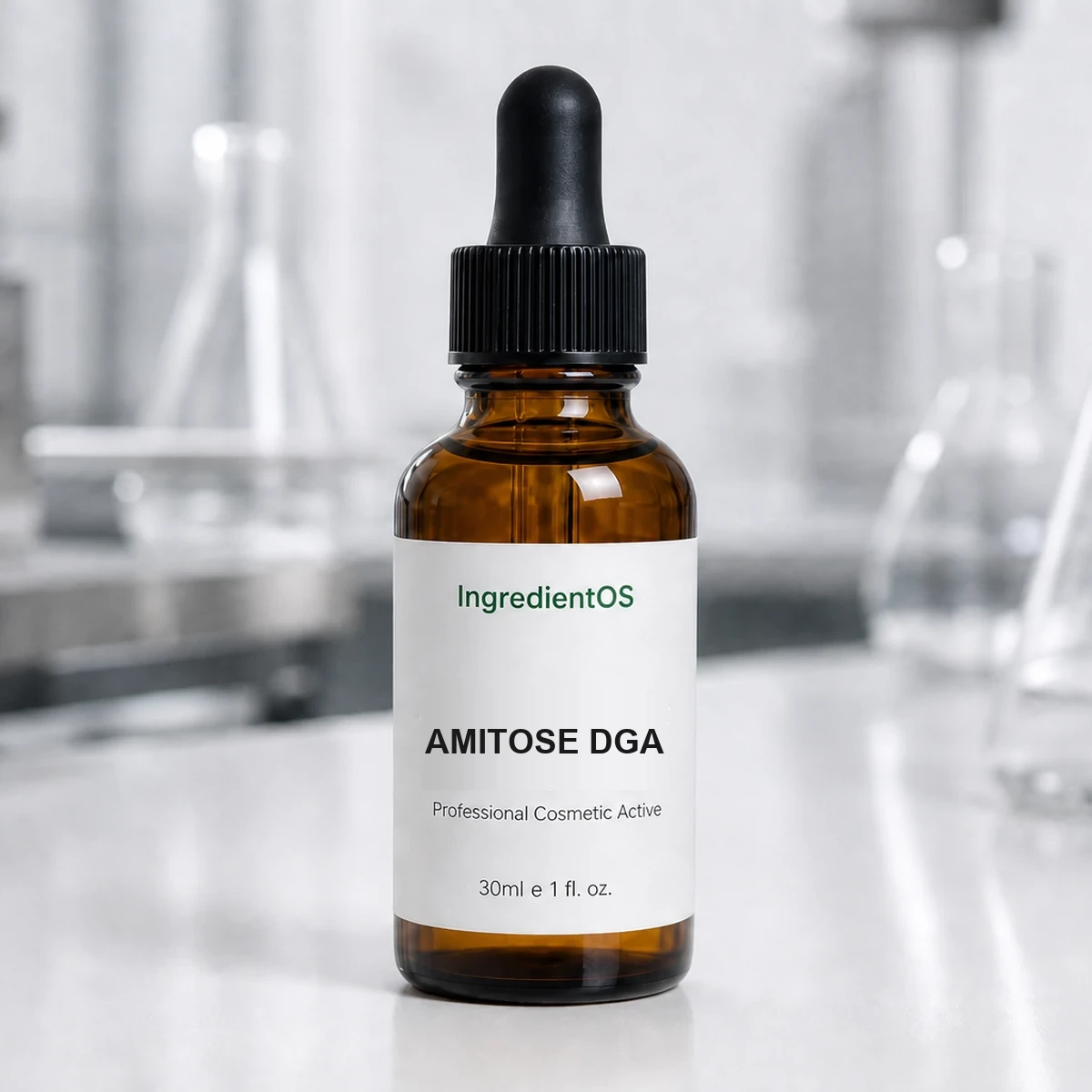
Vitamin C Derivative Tonic Liquid, IO
$15.99In stock
Usage Rate: Typical: use the supplied liquid active concentrate at supplier-recommended levels in leave-on formulas, delivering approximately 0.1–0.5% pure active in the finished product (1000–5000 ppm).
Packaging
Liquid sizes — 10 mL sample through bulk (US · metric)
Ships from FloridaSecure checkoutUsually ships in 1–2 business daysFree US shipping on $50+
ApplicationWith it, you can create tonics, transparent gel face serums and different types of emulsions.
AppearanceLiquid active concentrate
pH2.0-5.0
Description
Choosing a vitamin C derivative is a balance between stability, solubility, feel and the story a brand wants to tell. Vitamin C Derivative Tonic Liquid is one of the options in the glyceryl ascorbate family, where ascorbic acid is bonded to glycerin. The DGA grade is associated in the market with a diglyceryl form, which brings additional glycerin units to the molecule and with them a more moisturizing character.
Identity and documents
Confirm the exact INCI and active content on the supplier CoA for each lot. Trade names in this family are similar, and the CoA is the only reliable basis for the ingredient list. The product card lists solubility in water, propylene glycol and glycerin and a pH of 2.0 to 5.0 for the material as supplied.
Comparing the family
Within the same catalog you will also find Vitamin C Derivative Liquid and Vitamin C Derivative Cream Liquid. They share the glyceryl ascorbate concept but differ in structure and supplier positioning. A brand can choose one for its whole range or use different grades for different textures. Comparing the CoA documents side by side helps decide which suits a given product.
Product ideas from the card
Tonics
Light, clear tonics used after cleansing are the simplest format. The glyceryl component supports a soft, hydrated feel.
Transparent gel serums
A clear gel shows the purity of the formula. Use a thickener that tolerates mildly acidic conditions.
Emulsions
Day creams and fluids with a radiance angle, and night creams that combine the derivative with barrier lipids.
Formulating steps
Add this ingredient at cool-down, below about 40 °C. Measure the pH immediately after addition, because the acidic material will lower it, and adjust to a mildly acidic range suitable for your preservative system. Keep the batch away from strong light and metal contamination, which can speed up ascorbate oxidation. Use a chelating agent in the water phase if your process water contains metals. More radiance concentrates are available in the actives category.
Messaging
Talk about radiance, a fresher-looking complexion and a smoother feel. Mention that vitamin C derivatives work well alongside daily sun protection. Support claims with tests on the finished product.
Packaging
Airless pumps and opaque bottles protect any ascorbate-based product from light and air. Small sizes encourage customers to finish the product within a few months, which is good for performance and perception.
Stability program
Run the finished product at room temperature, 40 °C and under light exposure for at least eight weeks. Record color, odor, pH and viscosity at each check. Glyceryl ascorbates are among the more stable vitamin C derivatives, but a documented program protects the brand.
Who it suits
Customers who have tried pure vitamin C and found it stinging or unstable often look for a gentler alternative. A glyceryl ascorbate serum or tonic can be positioned for them: a daily radiance step that feels comfortable and keeps its appearance through the life of the bottle.
Original recipe: radiance gel serum, 100 g
Purified water 84.20 g, glycerin 4.00 g, propanediol 3.00 g, hydroxyethylcellulose 0.80 g, Vitamin C Derivative Tonic Liquid 4.00 g as an example level per CoA, panthenol 1.00 g, sodium phytate 0.10 g, sodium hyaluronate 0.10 g, preservative 1.00 g, sodium hydroxide solution 1.80 g. Premix the cellulose and hyaluronate into the glycols to avoid lumps, then add the water and stir until smooth. Add sodium phytate, panthenol and Vitamin C Derivative Tonic Liquid below 40 °C, then the preservative. Adjust pH to about 5.0 gradually.
Storage
Keep closed in a cool, dark place. Reseal right after use to limit air contact.
Product Specifications
Usage RateTypical: use the supplied liquid active concentrate at supplier-recommended levels in leave-on formulas, delivering approximately 0.1–0.5% pure active in the finished product (1000–5000 ppm).
SolubilityWater-soluble liquid active concentrate. Add directly to the water phase during cool-down.
StorageStore tightly closed in a cool, dry place away from light and heat. Respect the shelf life on the CoA.
TDS / CoA available on request. Contact us
Frequently Asked Questions
How does Vitamin C Derivative Tonic Liquid differ from 3GA?
Both belong to the glyceryl ascorbate family. DGA is associated with a diglyceryl form; compare INCI and content on each CoA.
Which products is it for?
Tonics, transparent gel face serums and emulsions, according to the card.
Is pH adjustment needed?
Yes. The material is acidic as supplied, so measure and adjust the finished product pH.
What does it dissolve in?
Water, propylene glycol and glycerin.