SKU: TM19071806
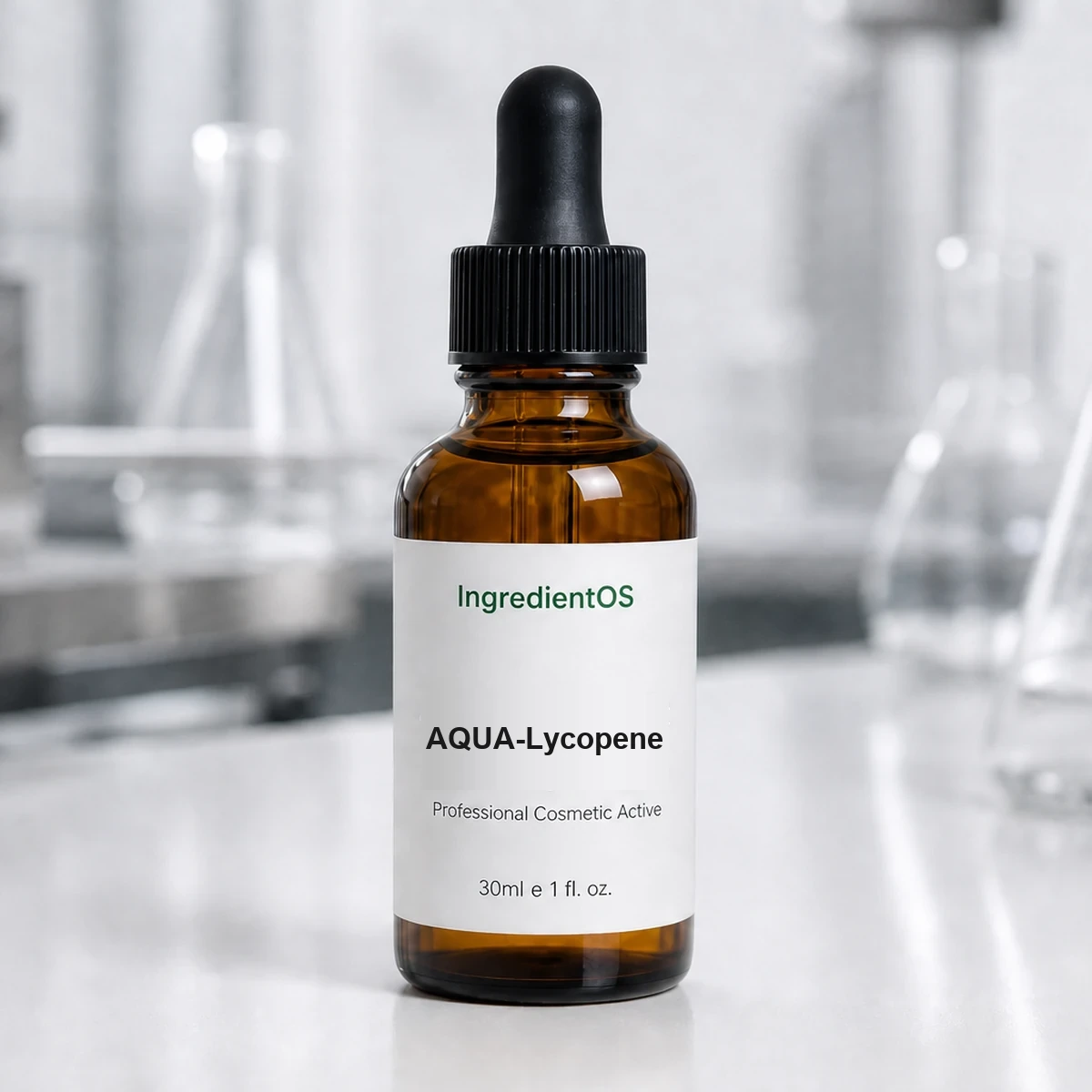
IO Tomato Skin Antioxidant Liquid (Hydrolyzed Tomato Skin)
$15.99In stock
INCI: Hydrolyzed Tomato Skin
Usage Rate: 3–5%
Packaging
Liquid sizes — 10 mL sample through bulk (US · metric)
Ships from FloridaSecure checkoutUsually ships in 1–2 business daysFree US shipping on $50+
Applicationcreams, lotions, serums, deodorants, shampoos, conditioners, balms, cosmetics before and after after-sun, antioxidant cosmetics
AppearanceOrange-red liquid; shake before use
Description
This ingredient at a glance
IO Tomato Skin Antioxidant Liquid (Hydrolyzed Tomato Skin) is a water-soluble liquid active concentrate. Its INCI is hydrolyzed tomato skin, and the recommended level is 3 to 5%; shake it before use and add it below 40 °C. Lycopene is the carotenoid that gives tomatoes, watermelon and pink grapefruit their red color. It is one of the strongest natural antioxidants among carotenoids. Pure lycopene dissolves only in oils, so a water-soluble concentrate opens it up to serums, toners and other water-based formats.
Antioxidant care around the sun
The card lists products for before and after sun exposure, along with general antioxidant cosmetics. Sun exposure increases oxidative stress in skin, and antioxidants are a popular addition to after-sun lotions and daily creams. A sun protection claim, however, always needs tested UV filters; antioxidants support the story but do not replace them.
Product formats
Creams and lotions
Daily antioxidant moisturizers.
Serums
Water-based antioxidant serums.
Before and after-sun products
Lotions and gels used around sun exposure.
Deodorants
Antioxidant support in deodorant formulas.
Shampoos, conditioners and balms
Hair products with an antioxidant story.
Processing
Add the concentrate to the water phase at cool-down, below about 40 °C. Avoid prolonged heat and strong light. Lycopene can give products a pink to orange tint, which may become part of the product's look.
Good partners
Resveratrol and Ferulic acid complete an antioxidant complex. Aloe vera gel suits after-sun gels. Browse more in the actives catalog.
Testing
Check color stability under light and heat, since carotenoids can fade. Run stability tests for three months at several temperatures.
Claims
Antioxidant care; helps protect skin from daily environmental stress; skin looks radiant.
Characteristics
Form: water-soluble orange-red liquid. INCI: hydrolyzed tomato skin. Use level: 3 to 5%. Basis: lycopene from tomato skin. Listed uses: creams, lotions, serums, deodorants, shampoos, conditioners, balms, before and after-sun cosmetics, antioxidant cosmetics.
Original recipe: after-sun antioxidant gel, 100 g
Distilled water 76.80 g, aloe vera juice 10.00 g, glycerin 4.00 g, IO Tomato Skin Antioxidant Liquid (Hydrolyzed Tomato Skin) 3.00 g, panthenol 2.00 g, hydroxyethylcellulose 1.20 g, allantoin 0.20 g, menthyl lactate 0.30 g, phenoxyethanol and ethylhexylglycerin 1.00 g, polysorbate 20 0.50 g, fragrance 0.20 g, citric acid 0.80 g. Disperse the cellulose, add aloe, glycerin, panthenol and allantoin, then the concentrate, the menthyl lactate and fragrance pre-mixed with polysorbate, the preservative, and adjust the pH. Adjust IO Tomato Skin Antioxidant Liquid (Hydrolyzed Tomato Skin) level to the CoA.
Packaging and light
Carotenoids fade in light. Choose opaque tubes or bottles and advise users to keep the product out of direct sun, which is especially important for after-sun products taken to the beach.
Building an antioxidant line
A serum, a day cream and an after-sun gel can share the concentrate for a coherent antioxidant range. Add vitamin E and other plant antioxidants for a fuller story.
Directions for users
Suggest applying after-sun gels generously to sun-exposed skin and daily creams every morning before sunscreen.
Record keeping
Note the concentrate lot and the color of each batch, because natural pigments can vary.
Lot records
Keep each CoA with the batch file and note the lot used.
Shake before use
The supplier advises shaking the container before weighing, since the active can settle during storage.
Storage
Store closed as the CoA directs, away from light. Close the container after use.
Product Specifications
INCIHydrolyzed Tomato Skin
Usage Rate3–5%
SolubilityWater-soluble. Add below 40 °C.
StorageStore tightly closed in a cool, dry place away from light and heat. Refrigerate opened material where practical; respect supplier shelf life.
TDS / CoA available on request. Contact us
Frequently Asked Questions
What is lycopene?
The red carotenoid pigment of tomatoes, known as an antioxidant.
Why a water-soluble form?
Lycopene is naturally oil-soluble; this form fits water-based products.
Which products use it?
Creams, lotions, serums, deodorants, hair care, balms and sun-related care.