SKU: TM19051601
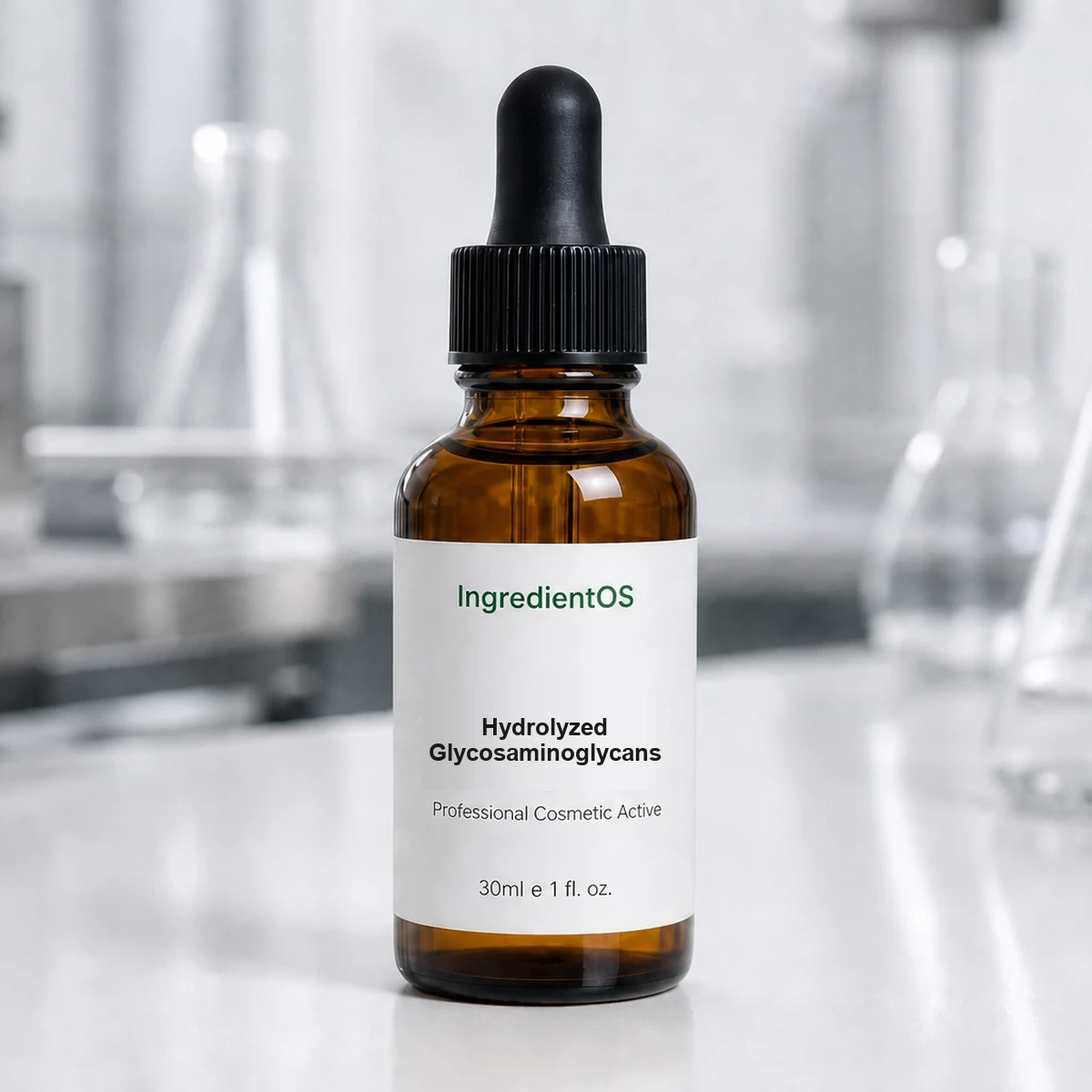
Hydrolyzed Glycosaminoglycans
$15.99In stock
Usage Rate: Typical: use the supplied liquid active concentrate at supplier-recommended levels in leave-on formulas, delivering approximately 0.1–0.5% pure active in the finished product (1000–5000 ppm).
Packaging
Liquid sizes — 0.33 oz (10 mL) sample through bulk (US · metric)
Ships from FloridaSecure checkoutUsually ships in 1–2 business daysFree US shipping on $35+
Applicationserums, creams, anti-aging gels, moisturizers of any form, from serums to night creams
AppearanceLiquid active concentrate
pHpH 2.5–3
Description
Hydrolyzed glycosaminoglycans in short
Hydrolyzed Glycosaminoglycans is a liquid humectant made by breaking glycosaminoglycans into smaller pieces. It dissolves in water. The supplier specification gives a pH of 2.5 to 3 for the material and lists serums, creams, appearance-focused cosmetic gels and moisturizers of any form, from serums to night creams. Confirm the source, INCI and active content on the certificate of analysis.
The GAG family
Glycosaminoglycans are long chains of sugar units. In the skin they fill the space between cells and fibers and hold large amounts of water, which gives the skin its volume and suppleness. Hyaluronic acid, chondroitin sulfate and dermatan sulfate all belong to this family. With age, the skin contains fewer of them. In cosmetics, GAG ingredients are used as humectants for a plumper, smoother and more supple look. Hydrolyzed forms are smaller and give a light, non-tacky feel.
Formats
Serums
Light hydrating serums show the smooth, plumping effect.
Creams and night creams
Moisturizers of every texture, from fluids to rich night creams, can carry the ingredient.
appearance-focused cosmetic gels
Gels for the face and eye area benefit from a light humectant.
How to use it
Add the liquid to the water phase and stir until uniform. Because the material is acidic, measure the pH of the finished product and adjust it with a suitable base, for example sodium hydroxide or sodium citrate solution. Check compatibility with pH-sensitive thickeners such as carbomers, which need neutralization.
Partners
GAG-based hydration works well with other humectants. Hyalomatrix brings several hyaluronic acid forms, and Vegetable NMF adds natural moisturizing factor components. More hydrolysate actives are listed in the hydrolysates catalog.
Characteristics
Composition: hydrolyzed glycosaminoglycans. Form: liquid. Solubility: water. PH of material: 2.5 to 3 per card. Listed uses: serums, creams, appearance-focused cosmetic gels, moisturizers. Source, INCI and dose: stated on the CoA supplied with each lot.
Plumping eye gel recipe, 100 g
Distilled water 85.40 g, hydrolyzed glycosaminoglycans 4.00 g, glycerin 3.00 g, butylene glycol 3.00 g, hydroxyethylcellulose 1.20 g, sodium hyaluronate 0.20 g, caffeine 1.00 g, allantoin 0.20 g, phenoxyethanol and ethylhexylglycerin 0.80 g, sodium hydroxide solution 1.20 g. Dissolve caffeine in warm water and cool, hydrate the cellulose, dissolve hyaluronate and allantoin, add glycerin and butylene glycol, then add the GAG liquid and preservative below 40 °C and adjust the pH to about 6 with sodium hydroxide solution.
Source and labeling
GAG ingredients can come from animal or biotechnological sources. Check the source on the CoA. Animal-derived material affects vegan claims and may need specific documentation for some markets.
Dose guidance
Follow the technical sheet. Light serums and gels can use the upper part of the range. In rich creams, a moderate dose supports the moisture story.
Testing
Corneometer measurements and profilometry of fine dry lines over four weeks support hydration and smoothing claims.
Light hydration without tackiness
Large hyaluronic acid molecules can feel tacky at high doses. Hydrolyzed GAG fragments are smaller and give a lighter, cleaner feel, which makes them useful in serums worn under makeup and in eye gels. Many formulators combine a small share of high molecular weight hyaluronic acid for the surface film with hydrolyzed GAGs for a light, smooth after-feel.
Mature skin positioning
With age, the skin's own GAG content declines and the skin looks less plump. A GAG-based moisturizer speaks to that change in a clear way. Keep the message on appearance: plumper, smoother and more supple-looking skin.
Storage
Store tightly closed in a cool place, away from heat.
Product Specifications
Usage RateTypical: use the supplied liquid active concentrate at supplier-recommended levels in leave-on formulas, delivering approximately 0.1–0.5% pure active in the finished product (1000–5000 ppm).
SolubilityWater-soluble liquid active concentrate. Add directly to the water phase during cool-down; avoid prolonged high heat.
StorageStore tightly closed in a cool, dry place away from light and heat. Refrigerate opened material where practical; respect supplier shelf life.
TDS / CoA available on request. Contact us
Frequently Asked Questions
What are glycosaminoglycans?
Long sugar chains in the skin's matrix. Hyaluronic acid is one of them.
Why is the pH so low?
The supplier specification gives 2.5 to 3 for the material. Measure and adjust the pH of the finished product.
Which products is it for?
Serums, creams, appearance-focused cosmetic gels and moisturizers.