SKU: VG17052231
Stearyl Glycyrrhetinate
$9.99In stock
Packaging
Powder sizes (metric · US)
Ships from FloridaSecure checkoutUsually ships in 1–2 business daysFree US shipping on $50+
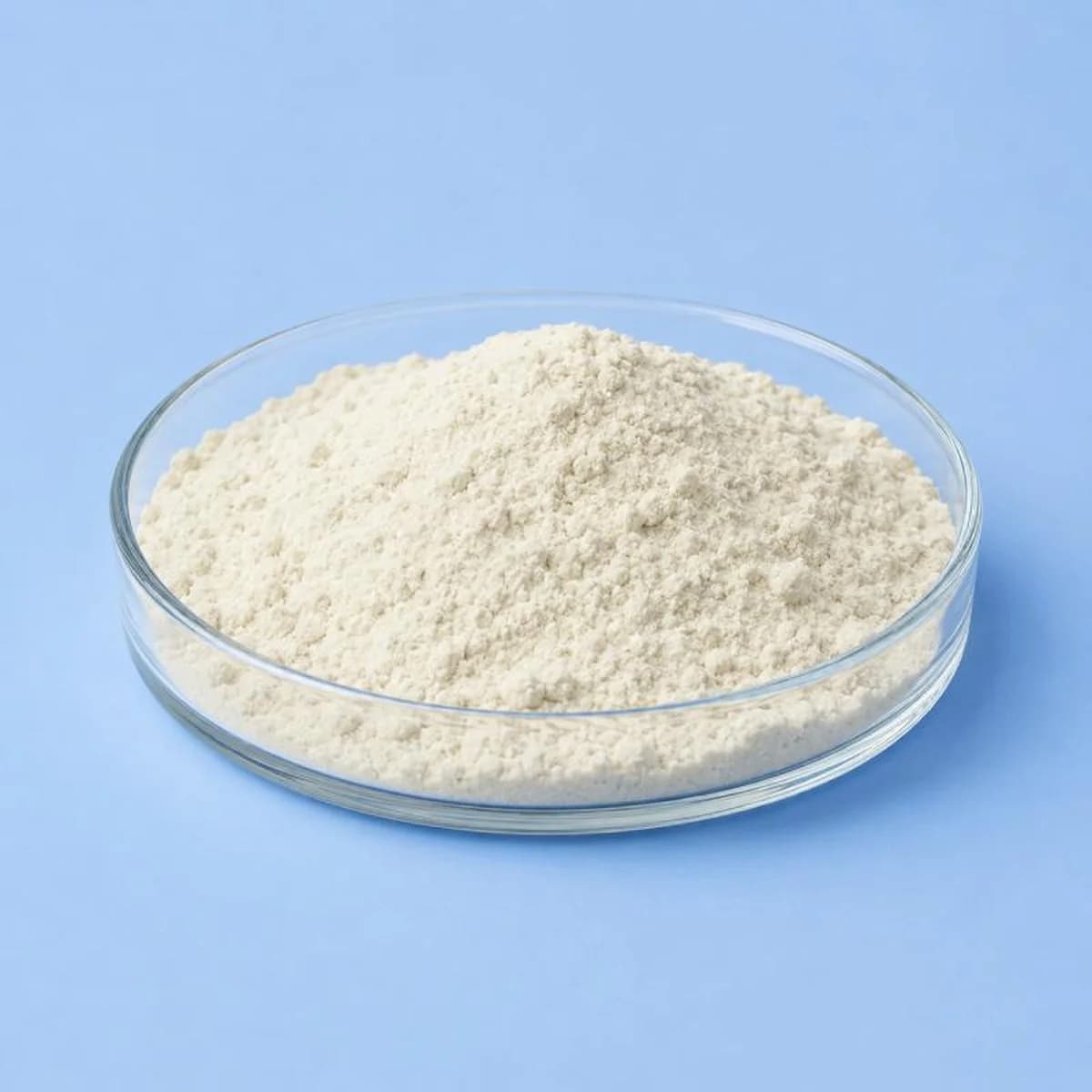
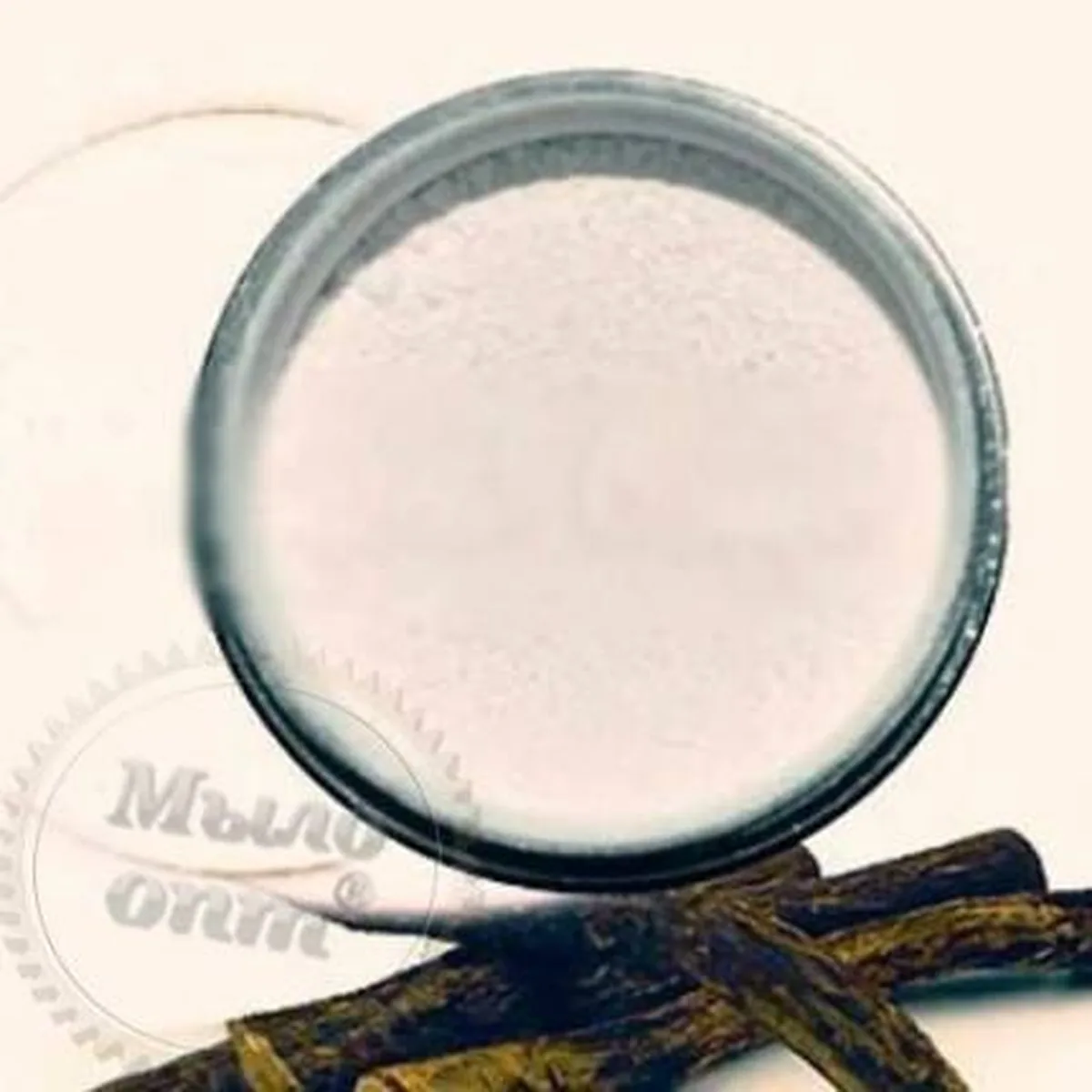
Appearancefine crystalline powder
Description
Stearyl Glycyrrhetinate at a glance
Stearyl Glycyrrhetinate is a fine crystalline powder that dissolves in oils and other lipids. Chemically it is an ester: glycyrrhetinic acid, a compound obtained from licorice root, is joined to stearyl alcohol, a fatty alcohol. The result is an oil-soluble form of a classic licorice compound. It is widely used in soothing creams, sensitive-skin care, after-sun products and lip balms. Confirm purity on the supplier CoA.
Licorice in skin care
Licorice root has a long history in traditional beauty and is one of the best-known plant sources of calming ingredients. Several licorice compounds are used in cosmetics: some for brightening, others for comfort. Glycyrrhetinic acid and its esters belong to the comfort group. They are favorites in products that should help skin feel calm and look less red after sun, wind or shaving.
Product formats
Soothing creams
Face and body creams for sensitive or reactive-looking skin carry it in the oil phase.
After-sun products
After-sun lotions and creams help skin feel comfortable after sun exposure.
Lip balms
Anhydrous lip balms dissolve it easily in the melted oils and waxes.
After-shave balms
Balms for the beard area help skin feel calm after shaving.
Baby care
Gentle creams for delicate skin are a common use for licorice compounds.
Processing
Dissolve the powder in the oil phase at about 70 to 80 °C with stirring until fully clear. Then emulsify with the water phase as usual. In balms, dissolve it in the warm oils before adding the waxes. Check for crystals after cooling, especially in products with a small oil phase.
Good partners
Bisabolol, panthenol and allantoin build a calming base. Oat seed oil adds comfort to creams, and Madecassoside completes a cica story. Browse more soothing ingredients in the actives catalog.
Testing
Store samples in the fridge and look for crystals. A panel with sensitive skin can rate comfort and the look of redness after use.
Claims
Skin feels calm and comfortable; helps reduce the look of redness; with a licorice root compound.
Characteristics
Form: fine crystalline powder. Solubility: in oils and other lipids. Chemistry: ester of glycyrrhetinic acid from licorice root and stearyl alcohol. Typical uses: soothing creams, sensitive-skin care, after-sun, lip balms, after-shave. Grade and level: supplier data sheet and CoA.
Original recipe: calming after-sun cream, 100 g
Distilled water 68.30 g, glycerin 4.00 g, aloe vera juice 5.00 g, xanthan gum 0.20 g, glyceryl stearate citrate 4.00 g, cetearyl alcohol 2.00 g, sunflower oil 8.00 g, squalane 4.00 g, stearyl glycyrrhetinate 0.20 g, bisabolol 0.30 g, panthenol 2.00 g, tocopherol 0.50 g, phenoxyethanol and ethylhexylglycerin 1.00 g, citric acid 0.50 g. Dissolve stearyl glycyrrhetinate in the hot oil phase, emulsify with the heated water phase, cool, add panthenol, bisabolol and the preservative, then adjust the pH.
Why the ester form
Glycyrrhetinic acid on its own dissolves poorly in both water and oil. Turning it into a stearyl ester makes it easy to dissolve in the oil phase, where it stays stable in creams and balms. This is why the ester form is a standard choice for emulsions and anhydrous products.
Range ideas
An after-sun cream, a comfort face cream and a lip balm can share the licorice compound and a calm, comforting story for sensitive skin.
Lot records
Keep each CoA with the batch file and note the lot used.
Record the lot number in your batch log so every production run can be traced back to its certificate of analysis. Retain a small sample of each lot for at least the shelf life of the finished product, since it makes later quality questions much easier to answer.
Storage
Store closed in a dry place away from light. Close the container after use.
Product Specifications
Solubilityin oils and other lipids
StorageStore tightly closed in a cool, dry place away from light and heat. Respect the shelf life on the CoA.
TDS / CoA available on request. Contact us
Frequently Asked Questions
What is stearyl glycyrrhetinate?
An oil-soluble ester of glycyrrhetinic acid, a compound from licorice root.
Which phase does it go into?
The oil phase; it dissolves in oils and other lipids.
Which products use it?
Soothing creams, sensitive-skin care, after-sun products and lip balms.