
SKU: 750008
Propylene Glycol
$15.99In stock
Usage Rate: Typical: use the supplied liquid active concentrate at supplier-recommended levels in leave-on formulas, delivering approximately 0.1–0.5% pure active in the finished product (1000–5000 ppm).
Packaging
Liquid sizes — 0.33 oz (10 mL) sample through bulk (US · metric)
Ships from FloridaSecure checkoutUsually ships in 1–2 business daysFree US shipping on $50+
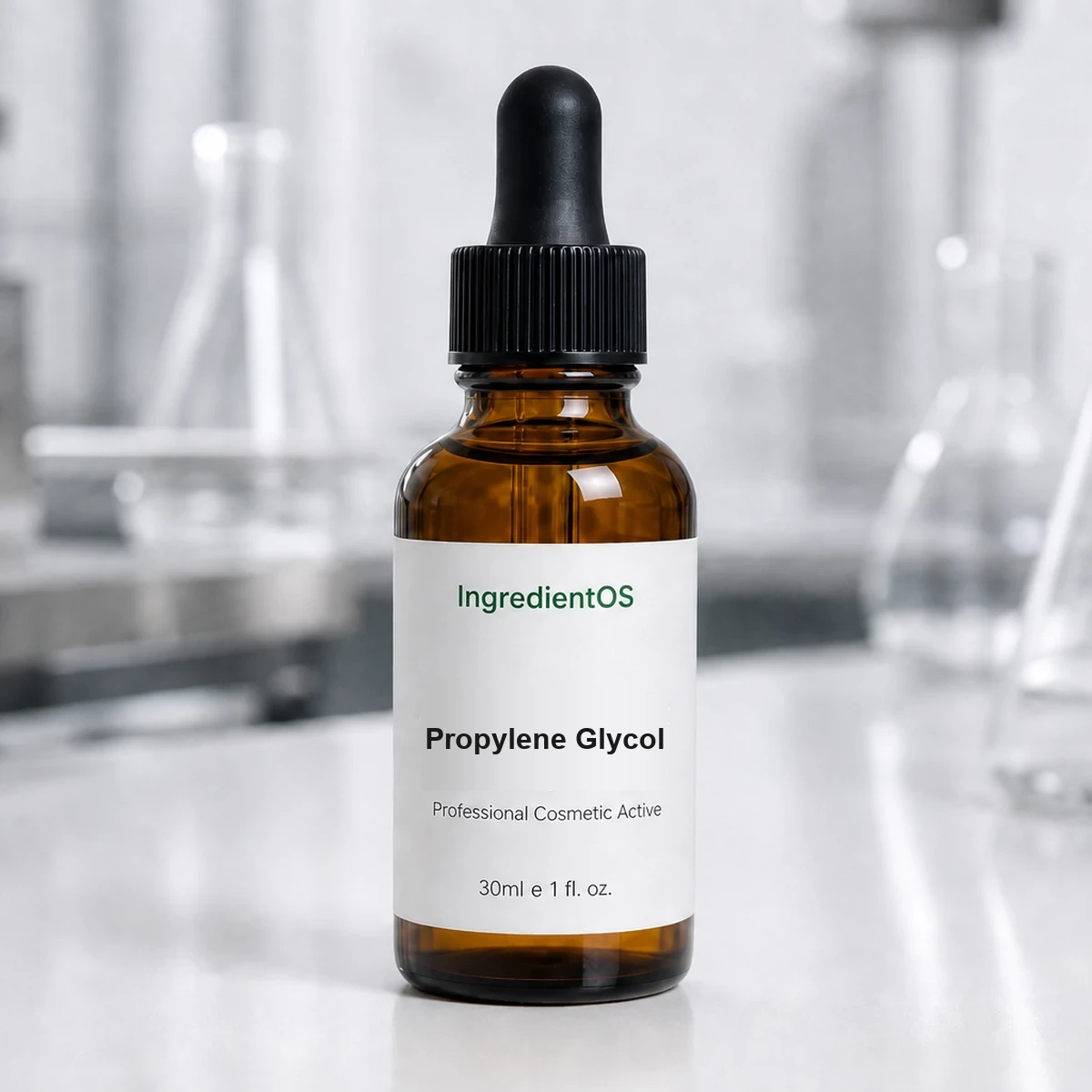
AppearanceColorless, viscous liquid with little to no odor.
Description
Propylene glycol explained
Propylene glycol is a colorless, slightly viscous liquid with little to no odor. It mixes with water and alcohol in any proportion, so it goes into the water phase of a formula. It has been used in cosmetics for decades, and it remains one of the most common helpers in creams, gels and cleansers. Check the grade and INCI on the CoA for each lot.
What it does
Propylene glycol has several practical jobs. As a humectant, it helps products keep skin feeling moisturized. As a solvent, it dissolves plant extracts, fragrances and some actives that do not dissolve well in water alone. It also slows the drying of gels and creams in the pack and at the nozzle. And it helps products stay fluid in cold weather.
Product formats
Creams and lotions
Added to the water phase, propylene glycol adds moisture and a smooth spread.
Gels and toners
In clear gels and toners, it helps dissolve extracts and keeps the product from drying out.
Deodorants
Stick deodorants and roll-ons often use propylene glycol as a base solvent.
Cleansers and hair care
Shampoos and cleansers can use it as a humectant and solvent for fragrance.
Extract premixes
Many formulators dissolve dry extracts in propylene glycol before adding them to the water phase.
Processing
Add it to the water phase at any stage; it tolerates heat. For extracts, make a premix in propylene glycol first.
Partners
Glycerin and Pentylene Glycol are common alternatives and partners. Botanical Salicylic Acid and other extracts can be premixed in it. See more helpers in the actives catalog.
Skin feel and tolerance
Most people tolerate propylene glycol well at normal levels. A small share of people find it irritating, especially at high levels. Keep the level moderate in leave-on products for sensitive-feeling skin, or choose pentylene glycol instead.
Testing
Run stability tests and check skin feel with a panel. Watch for tackiness when combining several humectants.
Claims
Propylene glycol is a supporting ingredient, so claims are about the finished product: moisturized, smooth, comfortable skin.
Choosing a glycol
Glycerin is thicker and more moisturizing, pentylene glycol adds preservation support, and propylene glycol is the most economical solvent. Choose based on texture, cost and the story your brand wants to tell.
Characteristics
Form: colorless, slightly viscous liquid. Odor: little to none. Solubility: miscible with water and alcohol. Roles: humectant, solvent, anti-drying helper. Typical products: creams, gels, toners, deodorants, cleansers, hair care. Grade and INCI: supplier CoA.
Original recipe: clear aloe gel, 100 g
Distilled water 82.40 g, aloe barbadensis leaf juice 8.00 g, propylene glycol 5.00 g, carbomer 0.60 g, panthenol 1.00 g, botanical salicylic acid 1.00 g, triethanolamine 0.60 g, preservative 1.00 g, fragrance 0.40 g. Disperse carbomer in water, premix fragrance and extract in propylene glycol, add everything and neutralize.
Grades
Propylene glycol is sold in technical, cosmetic and cosmetic grades. Use a cosmetic or higher grade for skin and hair products, and keep the grade statement from the supplier with the CoA. Purity matters most in leave-on products and in products for sensitive-feeling skin. If you sell in several markets, check that the grade meets each one's requirements, and note the result in the product file.
Record the lot number in your batch log so every production run can be traced back to its certificate of analysis. Retain a small sample of each lot for at least the shelf life of the finished product, since it makes later quality questions much easier to answer.
Storage of premixes
Extract premixes in propylene glycol should be labeled with the date and used within the period your tests support.
Storage
Store closed at room temperature. Close the container after use.
Product Specifications
Usage RateTypical: use the supplied liquid active concentrate at supplier-recommended levels in leave-on formulas, delivering approximately 0.1–0.5% pure active in the finished product (1000–5000 ppm).
SolubilityMiscible with water and alcohol. Add to the water phase.
StorageStore tightly closed in a cool, dry place away from light and heat. Respect the shelf life on the CoA.
TDS / CoA available on request. Contact us
Frequently Asked Questions
What does propylene glycol do in cosmetics?
It is a humectant, a solvent for extracts and fragrance, and it keeps products from drying out.
Is it water-soluble?
Yes. It mixes with water and alcohol in any proportion.
Is it suitable for sensitive skin?
Most people tolerate it well, but keep levels moderate for sensitive-skin products.


