SKU: TM17050905
Polyquaternium 10
$9.99In stock
Packaging
Powder sizes (metric · US)
Ships from FloridaSecure checkoutUsually ships in 1–2 business daysFree US shipping on $35+
Applicationskin cleansers, lotions, hair conditioners, hair dyes, shampoos, shower gel, bath foam
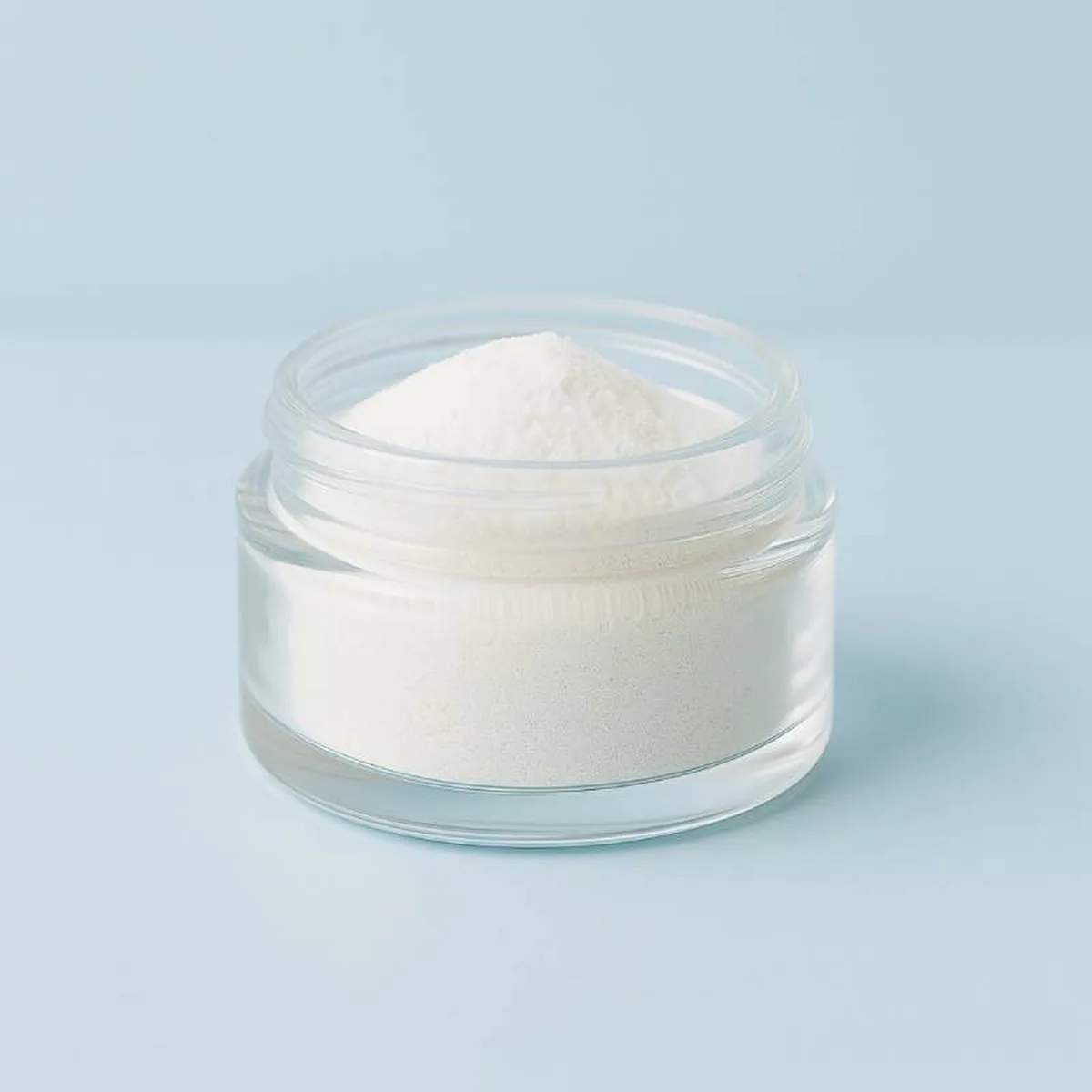
Appearancepowder
Description
Polyquaternium 10 at a glance
Polyquaternium 10 is a powder that dissolves in water. It is a cationic cellulose polymer, meaning it carries a positive charge. Hair and skin carry a slight negative charge, so the polymer is attracted to them and leaves a thin conditioning film. The supplier specification lists skin cleansers, lotions, hair conditioners, hair dyes, shampoos, shower gels and bath foam. Confirm grade and viscosity on the supplier CoA.
How conditioning polymers work
In shampoos, polyquaternium 10 forms complexes with surfactants that deposit on hair during rinsing. The result is easier wet combing, less static and a soft feel when dry. In shower gels and cleansers, it leaves the skin feeling smooth rather than squeaky.
Product formats
Conditioning shampoos
Two-in-one style shampoos with improved combing.
Conditioners
Rinse-off conditioners with a light feel.
Shower gels and bath foam
Cleansers with a smooth after-feel.
Hair color products
Conditioning support in hair dyes.
Lotions
Light lotions with a silky feel.
Processing
Sprinkle the powder into cold or room-temperature water while stirring, and let it hydrate until clear. Some grades disperse better at neutral pH and then thicken when the pH is adjusted. Add surfactants only after the polymer is fully dissolved.
Good partners
Polyquaternium 7 (Merquat 2003PR) and IO Conditioning Honey Derivative add further conditioning. Hydrolyzed keratin suits hair care. Browse more in the actives catalog.
Testing
Run wet and dry combing tests on hair tresses. Check clarity and viscosity of the shampoo over time.
Claims
Easier combing; less static; hair feels soft and smooth; skin feels smooth after cleansing.
Characteristics
Form: powder. Solubility: water. Type: cationic cellulose polymer. Listed uses: skin cleansers, lotions, hair conditioners, hair dyes, shampoos, shower gels, bath foam. Grade: supplier CoA.
Original recipe: conditioning shampoo, 100 g
Distilled water 59.80 g, polyquaternium 10 0.40 g, sodium laureth sulfate 70% 15.00 g, cocamidopropyl betaine 30% 10.00 g, coco glucoside 5.00 g, glycerin 3.00 g, panthenol 1.00 g, sodium chloride 1.50 g, phenoxyethanol and ethylhexylglycerin 1.00 g, citric acid 0.30 g, fragrance 0.50 g, hydrolyzed keratin 2.50 g. Hydrate polyquaternium 10 in the water, add the surfactants one by one, then glycerin, panthenol, keratin, fragrance and preservative, adjust the pH and thicken with salt.
Balancing build-up
Too much conditioning polymer can make fine hair feel heavy over time. Keep levels moderate in daily shampoos and test on different hair types.
Clarity
Polyquaternium 10 shampoos are usually clear. If cloudiness appears, check the order of addition and the pH.
Range ideas
A conditioning shampoo, a conditioner and a shower gel can share the polymer.
Lot records
Keep each CoA with the batch file and note the lot used.
Compatibility
Because it carries a positive charge, polyquaternium 10 can interact with strongly anionic thickeners such as carbomer and with some anionic polymers. In shampoos this interaction is useful, but in gels it can cause cloudiness or a drop in viscosity. Test compatibility early when combining it with other polymers.
Viscosity grades
Polyquaternium 10 comes in several viscosity grades. Higher grades thicken more and deposit more strongly, while lower grades suit clear, light products. Check the grade on the data sheet and adjust the level accordingly.
Skin cleansers
In facial cleansers, a small amount helps the skin feel smooth and less tight after rinsing.
Storage
Store closed in a dry place. Close the container after use.
Product Specifications
Solubilitywater
StorageStore tightly closed in a cool, dry place away from light and heat. Respect the shelf life on the CoA.
TDS / CoA available on request. Contact us
Frequently Asked Questions
What is Polyquaternium 10?
A cationic cellulose polymer used for conditioning.
How do I add it?
Disperse it in water first, let it hydrate, then add surfactants.
Which products use it?
Shampoos, conditioners, hair dyes, shower gels, bath foam, lotions and cleansers.