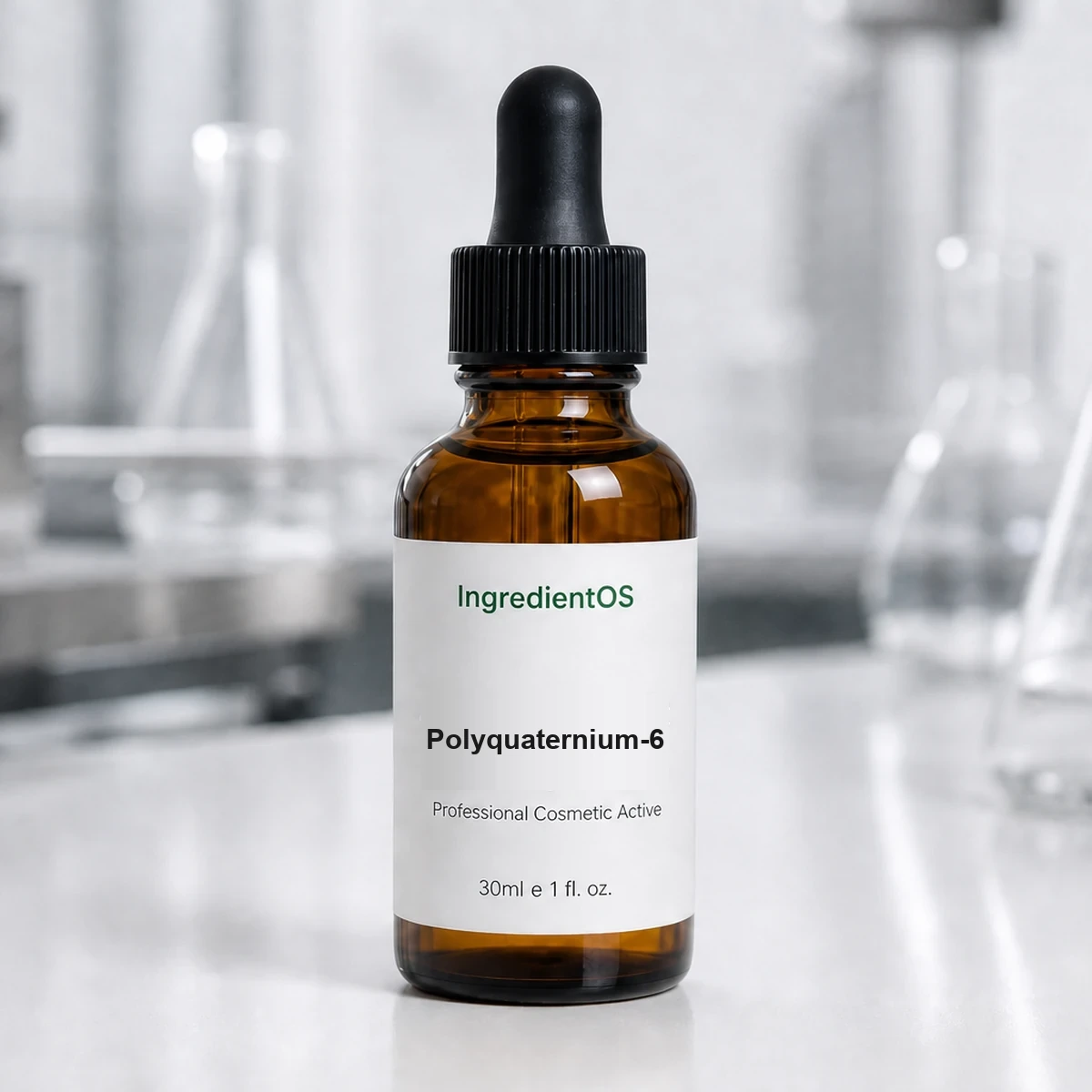
SKU: VV26060303
Polyquaternium-6
$15.99In stock
Usage Rate: Typical: use the supplied liquid active concentrate at supplier-recommended levels in leave-on formulas, delivering approximately 0.1–0.5% pure active in the finished product (1000–5000 ppm).
Packaging
Liquid sizes — 0.33 oz (10 mL) sample through bulk (US · metric)
Ships from FloridaSecure checkoutUsually ships in 1–2 business daysFree US shipping on $35+
ApplicationApplications in various fields Hair care Shampoos Conditioners Hair masks Leave in products Styling formulations Skin cosmetics Cleansers Body wash products Gentle cleansing formulations Soap making and cleansing industry Liquid soap Shower gels Gentle cleansing systems Professional cosmetics Salon hair products Professional conditioning systems Scalp care formulations
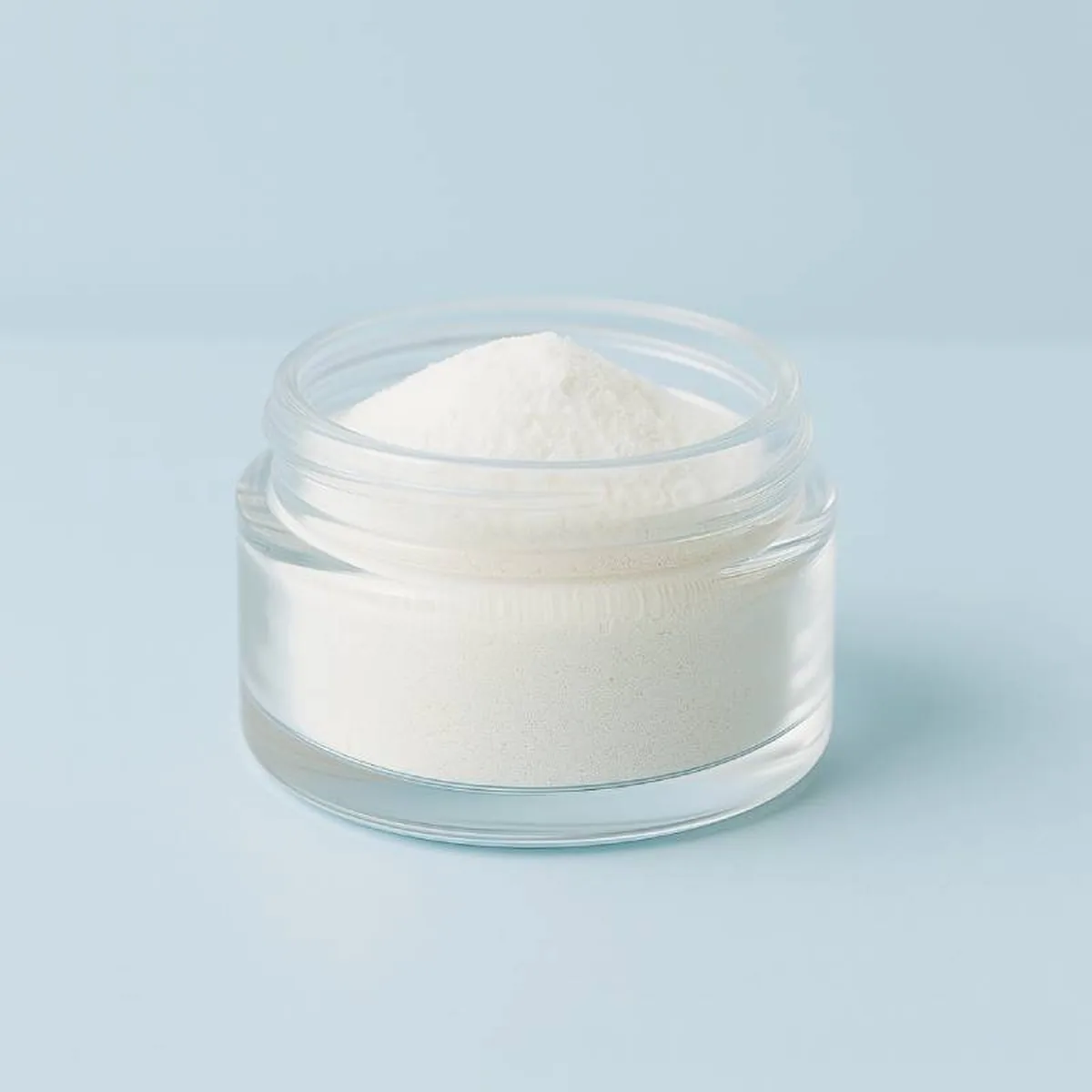
AppearanceLiquid active concentrate
pH4.0–8.0
Description
Rinse-off products face a challenge: most of what is in them goes down the drain. Polyquaternium-6 is a cationic polymer with very high charge density, which helps it stay behind on hair and skin after rinsing. That is why it appears in shampoos, conditioners and body washes as well as styling products.
Product data
Water-soluble cationic polymer. pH range 4.0 to 8.0. Typical applications: shampoos, conditioners, hair masks, leave-in products, styling products, skin cleansers and body wash products. For Polyquaternium-6, the supplied concentration and recommended level are confirmed on the supplier CoA for each lot.
Chemistry in brief
Polyquaternium-6 is built from a single monomer, diallyldimethylammonium chloride, so every unit carries a positive charge. This high charge density gives strong attraction to negatively charged hair and skin surfaces.
Product formats
Conditioning shampoo
A shampoo that leaves hair soft and easy to comb.
Body wash
A shower product with a soft, cared-for after-feel.
Facial cleanser
A gentle cleanser that leaves skin comfortable.
Conditioner
A rinse-off product with extra detangling.
Styling product
A gel or cream with conditioning hold.
Formulating guidance
Add the polymer to the water phase. In surfactant systems, add it early and check clarity and viscosity, since high-charge polymers interact strongly with anionic surfactants. Pair it with Polyquaternium-10 for a balanced conditioning profile, D-Panthenol for moisture and glycerin for skin comfort. More ingredients are listed under actives.
Claims
Use cosmetic wording such as soft, smooth hair, easier combing and soft-feeling skin after showering. Support with panel tests and combing-force measurements.
Who the products are for
Families who want two-in-one convenience, customers with dry skin who dislike the tight feel after showering and people with long hair.
Level matters
Because of its high charge, a little goes a long way. Too much can leave hair heavy or cause build-up. Start low and increase only if panel tests show a need.
Compatibility
Avoid combining it with high levels of anionic thickeners or anionic conditioning agents in the same product without testing, since precipitation can occur.
Testing
Run stability at room temperature and 40 °C, checking clarity, viscosity and pH.
Packaging
Pump bottles for shampoos and body washes, tubes for facial cleansers.
Batch quality
Keep the CoA for each lot and store retained samples.
Range planning
A shampoo, a body wash and a facial cleanser can share the polymer for a consistent soft after-feel.
Original recipe: conditioning body wash, 100 g
Purified water 60.00 g, sodium laureth sulfate solution 25.00 g, cocamidopropyl betaine 8.00 g, Polyquaternium-6 0.50 g as an example level per CoA, glycerin 3.00 g, panthenol 0.50 g, preservative 0.80 g, fragrance 0.70 g, sodium chloride 1.00 g, citric acid solution 0.50 g. Add the polymer to water, then the surfactants and the remaining ingredients. Adjust viscosity with salt and pH to about 5.5.
Facial cleansers
In facial cleansers, a small amount of the polymer leaves skin feeling soft rather than squeaky. Combine it with mild surfactants such as glucosides or amino acid surfactants and test on dry and sensitive panelists. Customers notice the difference in feel immediately after rinsing.
Styling detail
In styling creams, the polymer adds conditioning to hold, which makes hair feel softer and easier to restyle during the day.
Salon channel
Professional shampoos often rely on high-charge polymers for a premium wet feel at the basin.
Storage
Keep the container closed in a cool place.
Product Specifications
Usage RateTypical: use the supplied liquid active concentrate at supplier-recommended levels in leave-on formulas, delivering approximately 0.1–0.5% pure active in the finished product (1000–5000 ppm).
SolubilityWater-soluble liquid active concentrate. Add directly to the water phase during cool-down.
StorageStore tightly closed in a cool, dry place away from light and heat. Respect the shelf life on the CoA.
TDS / CoA available on request. Contact us
Frequently Asked Questions
What is Polyquaternium-6?
A homopolymer of diallyldimethylammonium chloride with high charge density.
What is it used for?
Shampoos, conditioners, masks, leave-ins, styling, skin cleansers and body washes.
What pH range is listed?
4.0 to 8.0.
What does it do in cleansers?
It deposits on hair and skin and leaves a soft, conditioned after-feel.