SKU: VV24011101
IO Lipopeptide Micelle Concentrate
For cosmetic formulation use only.
Not intended for ingestion or dietary supplementation.
$24.99In stock
INCI: See CoA for full INCI
Usage Rate: Typical: use the supplied peptide solution concentrate at supplier-recommended levels in leave-on serums and emulsions, delivering approximately 0.1–0.5% pure peptide in the finished formula (1000–5000 ppm).
Packaging
Liquid sizes — 10 mL sample through bulk (US · metric)
Ships from FloridaSecure checkoutUsually ships in 1–2 business daysFree US shipping on $50+
Applicationcreams, lotions, balms, serums, solar cosmetics, milk for face and body, micellar water, soap, shampoos, masks, conditioners
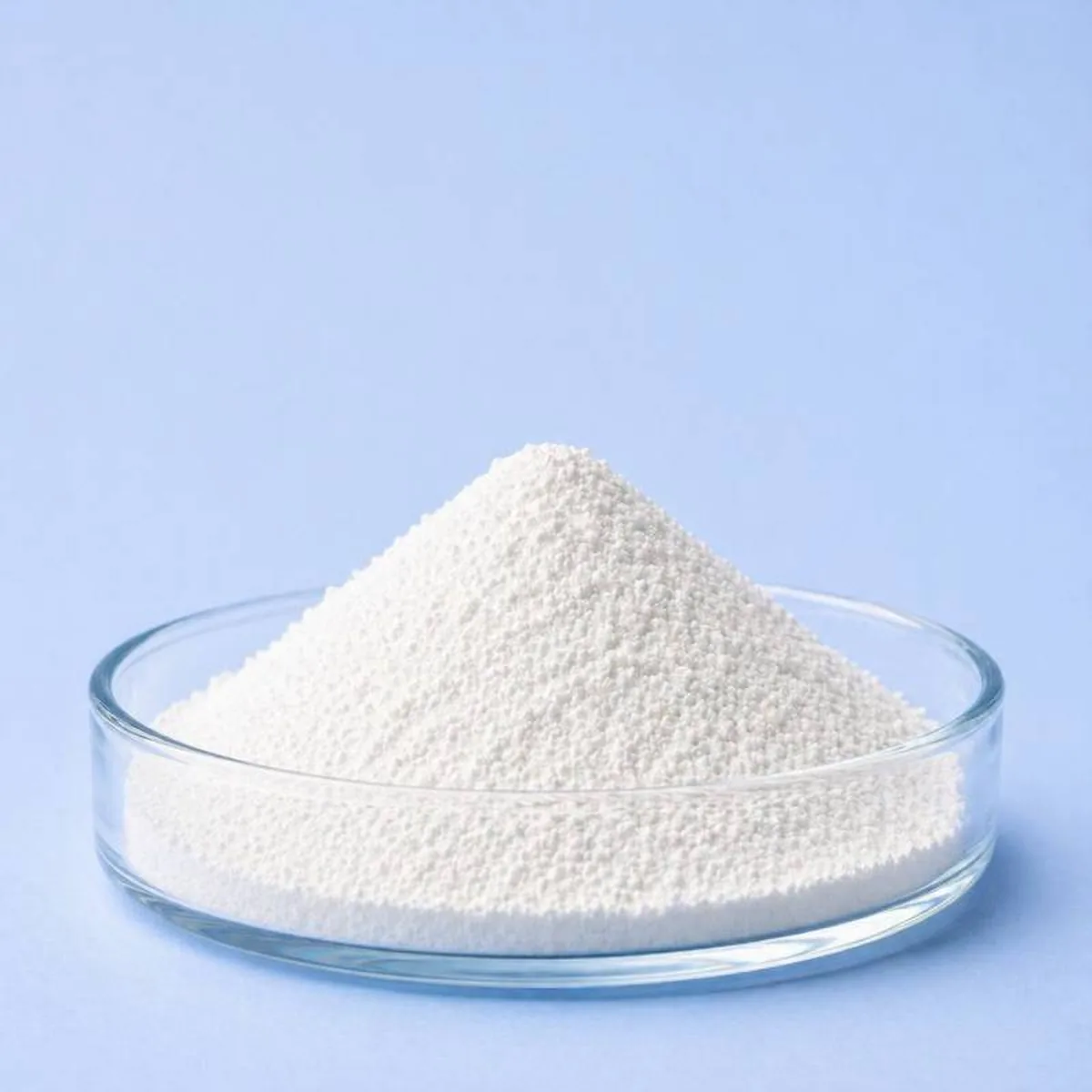
AppearancePeptide solution concentrate
Description
Most cleansers rely on surfactants made from petrochemicals or plant oils. IO Lipopeptide Micelle Concentrate takes a different route: it is a lipopeptide produced by fermentation with the bacterium Bacillus subtilis, built from a short cyclic peptide joined to a fatty acid chain. That structure gives it a strong ability to lower surface tension at very small concentrations, which is why it is described as a biosurfactant. This ingredient is our liquid concentrate based on this molecule.
Why a lipopeptide cleanser is interesting
A conventional surfactant is a simple head and tail. This ingredient is bulkier, with a ring of amino acids acting as the water-loving part. In solution it gathers into micelles that can hold oils and makeup residue, making it a natural fit for micellar waters and milky cleansers. Brands also value the fermentation origin, which supports a biotech or microbiome-friendly positioning when it is described accurately.
Listed applications
The product card is unusually broad: creams, lotions, balms, serums, sun care, cleansing milk for face and body, micellar water, masks, shampoos and conditioners.
Micellar water
The classic use. A low-viscosity, clear water with a humectant and the lipopeptide removes light makeup on a cotton pad without rinsing.
Cleansing milk and masks
In milks it helps lift residue while the emulsion leaves a soft film. In wash-off masks it supports even spreading and easy removal.
Leave-on care and hair
In creams and serums the lipopeptide can work as a spreading and texture aid. In shampoos it can be part of a gentle surfactant blend with a mild amphoteric such as cocamidopropyl betaine or with betaine as a humectant.
Formulating tips
Add the concentrate to the water phase during cool-down. Avoid prolonged heating. In micellar systems, test clarity and foam behaviour at your intended pH, and check compatibility with cationic conditioners in hair formulas. Other peptide-based concentrates are grouped in our peptides range, and Galactomyces Ferment Filtrate fits well when you want a ferment-led story across a whole cleansing line.
Positioning and claims
This ingredient is an excellent talking point for brands that build on fermentation and biotechnology. Describe it accurately: a lipopeptide from Bacillus subtilis fermentation with surface-active properties. Avoid claims that imply an effect on microbes on the skin unless your finished product has been tested for it. Customers respond well to a simple explanation of micelles and of why a gentle cleanser does not need to strip the skin to work. A minimal fragrance and a soft skin feel after removal are what turn a first bottle into a repeat purchase.
Compatibility notes
Like other anionic or amphiphilic molecules, this ingredient may interact with strongly cationic ingredients. Test conditioner bases carefully and watch for haze. In sun care, check that the lipopeptide does not destabilize the emulsion or change the spreading of the filter phase. Electrolyte levels can affect viscosity in cleansing gels, so add salt in small steps. Run a short freeze-thaw cycle to confirm that the micellar water stays clear in winter shipping.
Original recipe: biotech micellar water, 100 g
Purified water 90.10 g, glycerin 3.00 g, pentylene glycol 2.00 g, IO Lipopeptide Micelle Concentrate 2.50 g as an example level to confirm on the CoA, poloxamer 184 1.00 g, panthenol 0.50 g, allantoin 0.10 g, preservative 0.80 g. Dissolve the poloxamer in water, add the remaining ingredients one by one at room temperature with slow stirring, filter if needed and adjust pH to about 5.5.
Storage
Store sealed, cool and away from light. Mild foaming in the bottle is normal for a surface-active concentrate.
Product Specifications
INCISee CoA for full INCI
Usage RateTypical: use the supplied peptide solution concentrate at supplier-recommended levels in leave-on serums and emulsions, delivering approximately 0.1–0.5% pure peptide in the finished formula (1000–5000 ppm).
SolubilityWater-soluble peptide solution concentrate. Add directly to the water phase during cool-down; avoid prolonged high heat.
StorageStore tightly closed in a cool, dry place away from light and heat. Refrigerate opened material where practical; respect supplier shelf life.
TDS / CoA available on request. Contact us
Frequently Asked Questions
What is IO Lipopeptide Micelle Concentrate?
A lipopeptide biosurfactant produced by fermentation with Bacillus subtilis, combining a peptide ring with a fatty chain.
Is it a cleanser or an active?
It is surface-active, so it fits micellar waters and gentle cleansers, and it is also used in leave-on creams and serums listed on the card.
How is it added?
Into the water phase during cool-down, without prolonged heating.
Where is the full INCI?
On the supplier CoA for each lot.