SKU: VG17052617
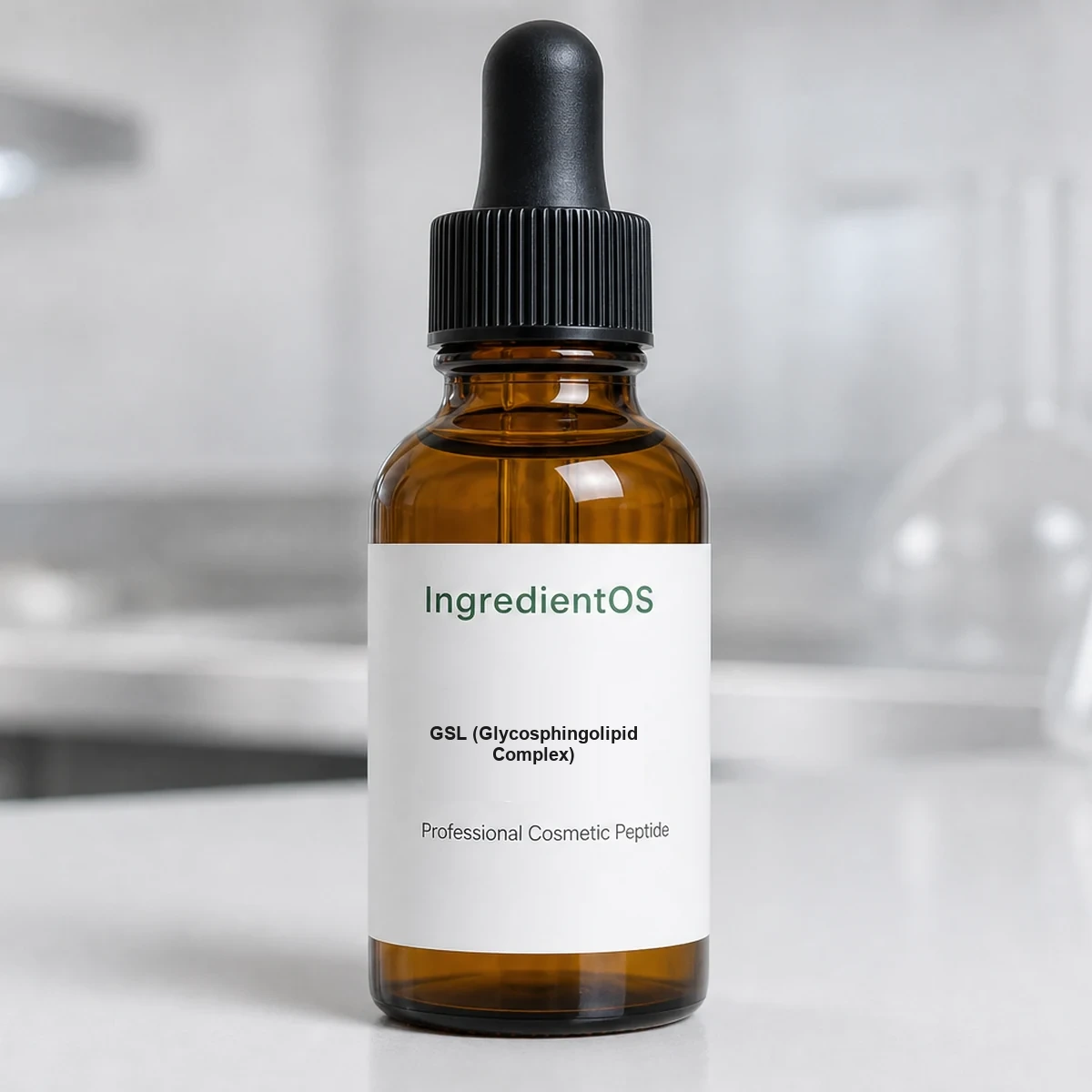
GSL (Glycosphingolipid Complex)
$15.99In stock
Usage Rate: Typical: use the supplied peptide solution concentrate at supplier-recommended levels in leave-on serums and emulsions, delivering approximately 0.1–0.5% pure peptide in the finished formula (1000–5000 ppm).
Packaging
Liquid sizes — 0.33 oz (10 mL) sample through bulk (US · metric)
Ships from FloridaSecure checkoutUsually ships in 1–2 business daysFree US shipping on $50+
Applicationcosmetics for mature skin, anti-age products (means for increasing skin elasticity, maintaining its proper hydration and strengthening the lipid barrier); - applied corneotherapy
AppearanceLiquid active concentrate
pH5
Description
GSL in brief
GSL is a liquid complex of glycosphingolipids for mature skin and anti-age care. It mixes with water and is added at the end of production. The supplier specification gives a pH of 5 and lists cosmetics for mature skin and anti-age products aimed at better elasticity, proper hydration and a stronger-looking skin barrier. Confirm the full INCI, origin and active content on the certificate of analysis of your lot.
What glycosphingolipids are
Sphingolipids are a family of lipids that includes ceramides, the main structural lipids of the outer skin layer. Glycosphingolipids are related molecules that carry a sugar group. That group makes them more compatible with water than classic ceramides, which are notoriously hard to dissolve. For a formulator this means a barrier-lipid story that can be dispersed into watery serums and light lotions without special solvents.
Where it fits
Serums for mature skin
Light serums with a barrier and hydration message are the most direct use.
Day and night creams
In emulsions the complex complements oils and butters, so the cream supports the barrier from both the water and the oil phase.
Sensitive-looking dry skin
Products for skin that often feels dry or tight are a good match for skin-lipid ingredients.
How to use it
Add GSL to the water phase below 40 °C and stir until uniform. In emulsions, add it after cooling. Keep the final pH in a skin-friendly range close to the supplier specification value. Avoid high surfactant loads, which can disturb lipid structures; this complex is better suited to leave-on care than to cleansers.
Barrier-care partners
A complete barrier concept combines several lipid types. Ceramide NP brings a classic skin-identical ceramide to the oil phase, and the ceramide complex is another option for creams. More skin care concentrates are listed in the actives catalog.
Characteristics
Form: liquid concentrate. Solubility: water-dispersible. PH: 5 per card. Listed uses: mature skin care, anti-age products for elasticity, hydration and barrier. Active class: glycosphingolipids. Full INCI and origin: stated on the CoA supplied with each lot.
Barrier serum recipe, 100 g
Distilled water 82.40 g, GSL 5.00 g, glycerin 4.00 g, propanediol 3.00 g, squalane 2.00 g, polyglyceryl-4 caprate 1.00 g, sodium hyaluronate 0.20 g, carbomer 0.30 g, sodium hydroxide solution 0.60 g, panthenol 0.50 g, phenoxyethanol and ethylhexylglycerin 1.00 g. Disperse the carbomer in water, dissolve the hyaluronate and humectants, neutralize, emulsify the squalane with the polyglyceryl ester, then add GSL, panthenol and preservative below 40 °C and check the pH.
Claim support
Transepidermal water loss and corneometer measurements over several weeks are the standard tools for barrier and hydration claims. Elasticity claims can be supported with cutometer readings.
Why mature skin needs lipids
With age, the skin produces less of its own barrier lipids, and dryness and a rough, uneven texture become more common. Replenishing the lipid side of care, not only adding water-binding humectants, gives a more lasting comfort. A combination of glycosphingolipids in the water phase and plant oils in the oil phase covers both sides of the barrier.
Positioning for a range
Barrier care is one of the strongest themes in skin care today. Consumers look for products that respect the skin, feel comfortable and work for sensitive-looking skin. A glycosphingolipid complex lets a brand add a credible skin-lipid ingredient even to a watery serum, which is rare. Pair the serum with a richer cream that carries ceramides in the oil phase and the line tells a clear, consistent story. Keep fragrance low or absent in these products.
Storage
Store tightly closed in a cool place, away from heat and direct light.
Product Specifications
Usage RateTypical: use the supplied peptide solution concentrate at supplier-recommended levels in leave-on serums and emulsions, delivering approximately 0.1–0.5% pure peptide in the finished formula (1000–5000 ppm).
SolubilityWater-soluble peptide solution concentrate. Add directly to the water phase during cool-down; avoid prolonged high heat.
StorageStore tightly closed in a cool, dry place away from light and heat. Refrigerate opened material where practical; respect supplier shelf life.
TDS / CoA available on request. Contact us
Frequently Asked Questions
How is it different from ceramides?
Glycosphingolipids are ceramide relatives with a sugar group, which makes them easier to disperse in water.
What pH should the product have?
The supplier specification gives pH 5 for the material; keep the finished product in a skin-friendly range.
Which products is it meant for?
Mature skin and anti-age care focused on elasticity, hydration and the barrier.


