SKU: VV24082703
Gaba
$9.99In stock
INCI: Aminobutyric Acid
Usage Rate: Usually 0.05-0.3%, up to 1% depending on the product
Packaging
Powder sizes (metric · US)
Ships from FloridaSecure checkoutUsually ships in 1–2 business daysFree US shipping on $50+
ApplicationFacial: Used in creams, serums, and masks to reduce wrinkles, improve skin texture, and improve overall tone. Skincare: Added to lotions and moisturizers to maintain healthy skin moisture levels and prevent dryness. Anti-stress: Included in relaxation and stress-relieving products such as body creams and massage oils.
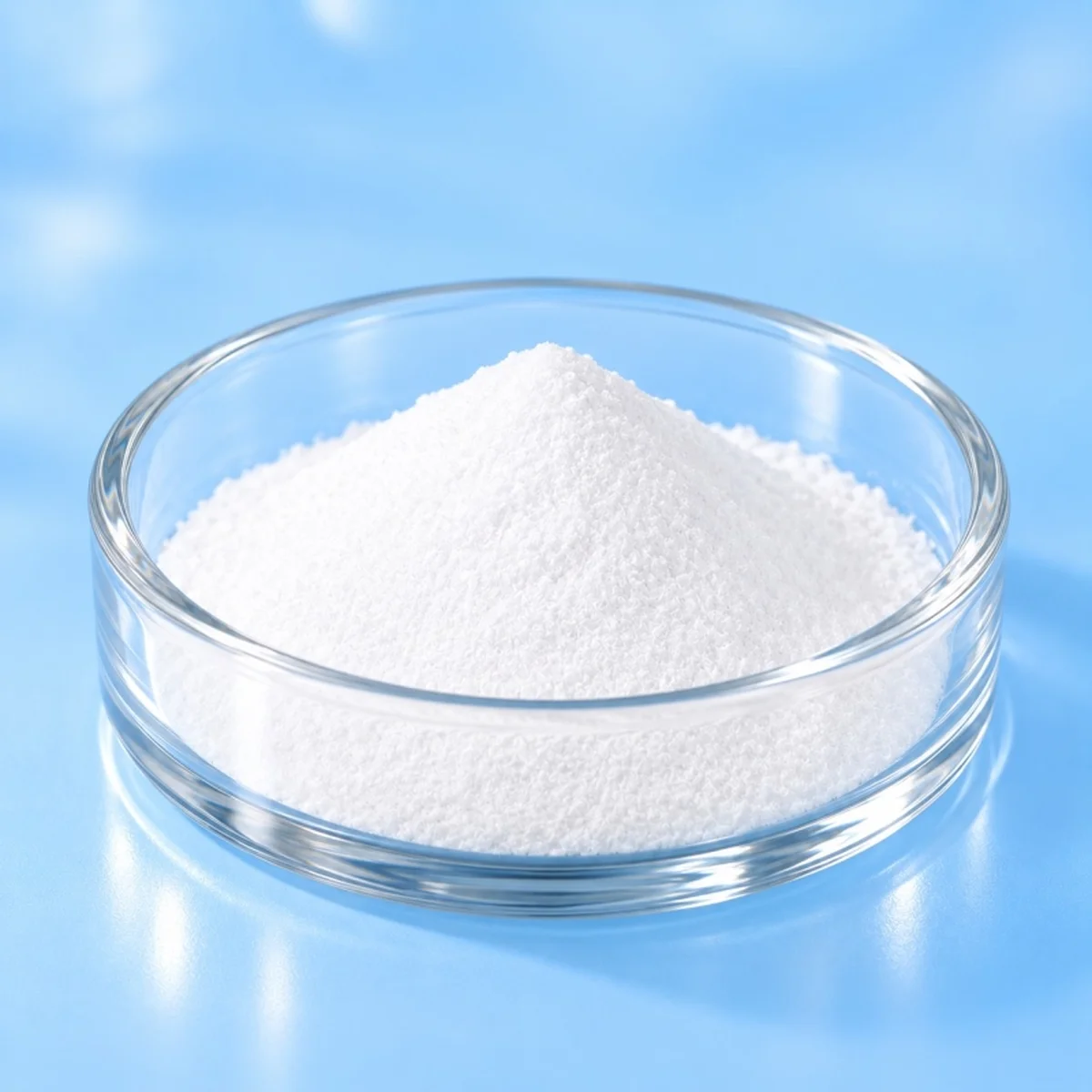
Appearancepowder
pH6.5-8.0
Description
GABA at a glance
GABA stands for gamma-aminobutyric acid, a natural amino acid with the INCI Aminobutyric Acid. In the body it acts as a calming messenger, which has made it popular in skin care for products with a relaxing, smoothing message. The cosmetic grade is a white or cream powder from Japan with a neutral, faint odor. It dissolves in water to a clear solution, has a pH of 6.5 to 8.0 and is used at low levels, usually 0.05 to 0.3%, up to 1% depending on the product.
The relaxing amino acid
Most amino acids in skin care are building blocks of proteins or parts of the natural moisturizing factor. GABA is different. It is not built into proteins, and it is best known for its calming role in the body. In cosmetics this idea translates into products that help skin look relaxed and smooth. Expression lines on the forehead and around the eyes are a key target, which is why GABA often appears in products with a soft focus or expression line message.
What it does
The supplier lists several benefits. GABA helps fine lines and wrinkles look less visible thanks to its relaxing character. It supports a smoother, more even skin texture. It helps skin feel calmer and softer and look less irritated. It supports hydration and helps prevent dryness, so skin looks smoother and more elastic. It also adds antioxidant protection against daily environmental stress. On the pack, keep claims visual and sensory.
Dosing
Most products use 0.05 to 0.3%. Intensive serums and eye products can go up to 1%. Because the doses are low, a premix in water makes weighing easier: dissolve 1 part of GABA in 9 parts of water and dose the solution at ten times the target level.
How to formulate
Add the powder or its premix to the water phase. It dissolves to a clear solution, so it suits clear serums and toners as well as creams. Keep the finished product at about pH 5.5 to 7. GABA is often combined with other expression line actives, such as the peptide acetyl hexapeptide-8, and with humectants such as trehalose. Browse more appearance-focused cosmetic actives in the cosmetic actives section.
Product ideas
Anti-wrinkle serums for expression lines, eye creams, forehead and frown line serums, smoothing day creams, relaxing night creams, moisturizing lotions and calming masks are the main uses. The supplier also lists relaxing and stress relief products, such as body creams used in evening rituals.
Sample recipe: relaxing expression line serum, 100 g
Distilled water 88.90 g, glycerin 3.00 g, propanediol 3.00 g, GABA 0.30 g, trehalose 2.00 g, hydroxyethylcellulose 0.70 g, panthenol 1.00 g, preservative 1.00 g, citric acid solution 0.10 g. Dissolve GABA and trehalose in the water, disperse the cellulose, add glycerin, propanediol and panthenol, then the preservative, and adjust to about pH 6.
Labeling and story
On the ingredient list it appears as Aminobutyric Acid.
Testing claims
Expression line claims are best supported with skin replicas or 3D imaging of the crow's feet area before and after four to eight weeks, together with self assessment.
Why a low dose
GABA works as a signal rather than a bulk ingredient, so small amounts are enough. At 0.05 to 0.3% it has no effect on texture, color or odor, and it can be added to an existing base without reformulating. This also keeps the cost per unit low.
Storage
Store in a dry, cool room in a tightly closed container, protected from light. A certificate of analysis comes with every lot.
Product Specifications
INCIAminobutyric Acid
Usage RateUsually 0.05-0.3%, up to 1% depending on the product
SolubilityWater-soluble, gives a clear solution
StorageStore tightly closed in a cool, dry place away from light and heat. Respect the shelf life on the CoA.
TDS / CoA available on request. Contact us
Frequently Asked Questions
What is the INCI of GABA?
Aminobutyric Acid.
How much GABA should I use?
Usually 0.05 to 0.3%, with up to 1% depending on the product.
How does it dissolve?
It dissolves in water to a clear solution, so add it to the water phase.