SKU: TM20080709
IO Emulsifier Flakes
$9.99In stock
Packaging
Powder sizes (metric · US)
Ships from FloridaSecure checkoutUsually ships in 1–2 business daysFree US shipping on $50+
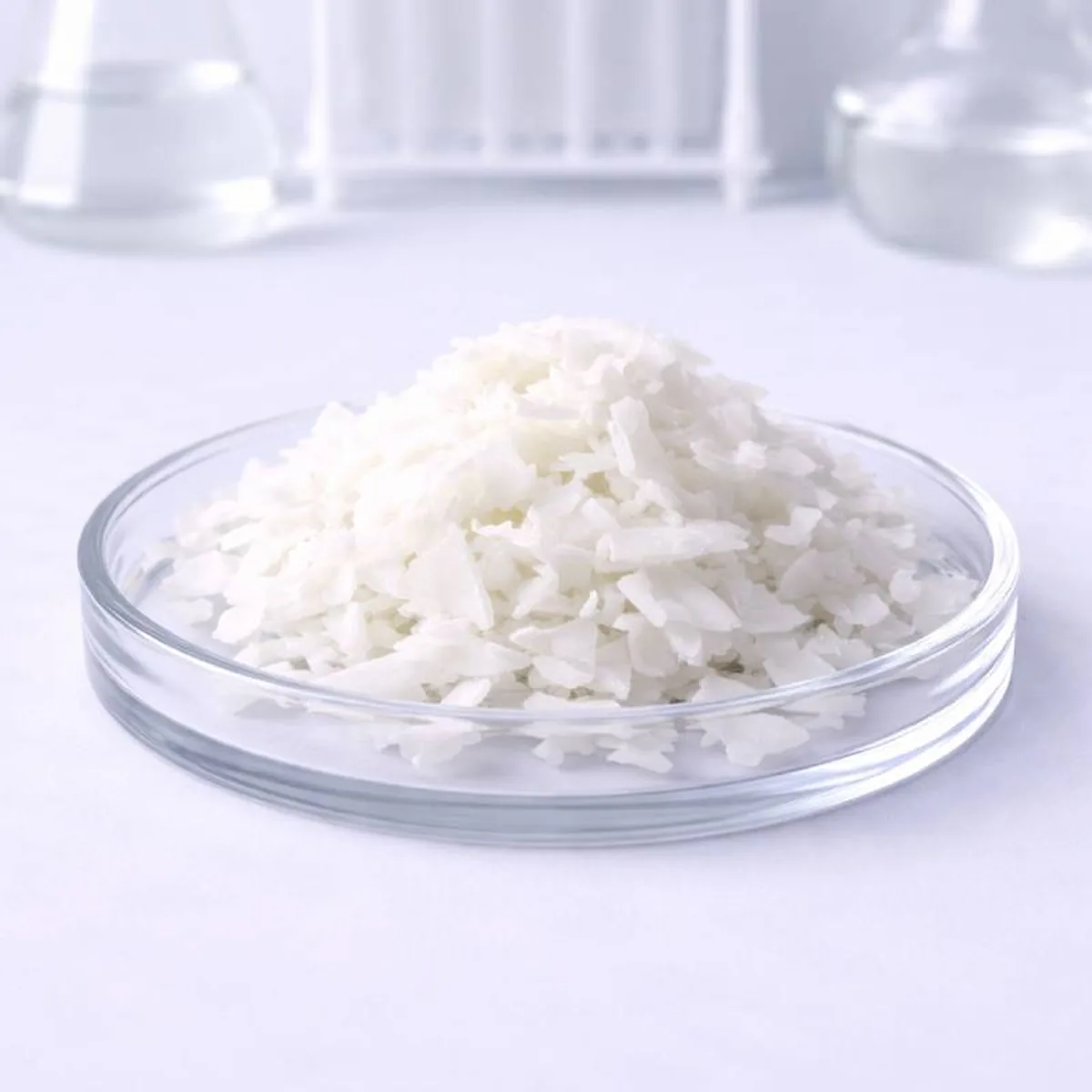
Appearanceflakes
Description
This ingredient at a glance
372 P comes as flakes that dissolve in oils. It is known as glyceryl stearate citrate, an anionic emulsifier made from vegetable fatty acids, glycerin and citric acid. It forms oil-in-water emulsions with a soft, light, non-greasy finish and is widely used in natural and organic cosmetics. Confirm the INCI name and recommended level on the supplier data sheet.
Why formulators like it
Glyceryl stearate citrate gives elegant creams and lotions with good spreading and a pleasant after-feel. It works across a broad pH range and is suitable for many natural certifications. It pairs well with fatty alcohols and natural thickeners such as xanthan gum.
Product formats
Face creams
Light day and night creams.
Body lotions and milks
Fluid emulsions with fast absorption.
Hand creams
Non-greasy creams for frequent use.
Sun care bases
Emulsion bases for tested sun products.
Processing
Melt the flakes with the oil phase at about 70 to 75 °C. Bring the water phase to a matching temperature, pour the oils in under the homogenizer and stir as the emulsion cools. Add heat-sensitive ingredients below 40 °C. A co-emulsifier such as cetearyl alcohol and a thickener improve stability.
Good partners
Glyceryl stearate citrate Ercawax CE-V is a related grade. Emulsifier Montanov L suits richer creams, and Squalane oil gives a light feel. Browse more in the actives catalog.
Testing
Check emulsion stability at room temperature, 40 °C and freeze-thaw cycles. Check viscosity and droplet size.
Claims
Light, non-greasy texture; smooth, soft finish; suitable for natural formulas.
Characteristics
Form: flakes. Solubility: oils. Type: glyceryl stearate citrate, anionic oil-in-water emulsifier. Grade and INCI: supplier data sheet.
Original recipe: light day cream, 100 g
Distilled water 72.30 g, glycerin 4.00 g, 372 P 4.00 g, cetearyl alcohol 2.00 g, caprylic capric triglyceride 8.00 g, squalane 5.00 g, xanthan gum 0.30 g, niacinamide 2.00 g, panthenol 1.00 g, phenoxyethanol and ethylhexylglycerin 1.00 g, tocopherol 0.40 g. Melt the emulsifier and cetearyl alcohol with the oils, heat the water with glycerin and xanthan, emulsify, cool and add niacinamide, panthenol, preservative and tocopherol.
Electrolyte sensitivity
As an anionic emulsifier, glyceryl stearate citrate can be sensitive to high levels of salts. Test stability when adding mineral salts or ionic actives.
Adjusting texture
Increase the fatty alcohol for a thicker cream or reduce it for a fluid lotion. Butters add richness, while light esters give a dry touch.
Lab tip
Make sure both phases reach the same temperature before emulsifying.
Batch consistency
Note the flake appearance of each lot; clumped flakes may indicate warm storage.
Lot records
Keep each CoA with the batch file and note the lot used.
Natural certifications
Glyceryl stearate citrate is commonly accepted in natural cosmetic standards. If certification is a goal, ask the supplier for the relevant documents and check every other ingredient against the standard as well.
Cold-process alternatives
This emulsifier needs heat. For cold-process products, choose a different emulsifier system designed for that method.
Preservation
Emulsions need broad-spectrum preservation and challenge testing before launch.
Troubleshooting
If the emulsion separates, check the temperature of both phases, the mixing time and the fatty alcohol level. A slightly higher emulsifier level or an added thickener often solves thin, unstable lotions.
Record the lot number in your batch log so every production run can be traced back to its certificate of analysis. Retain a small sample of each lot for at least the shelf life of the finished product, since it makes later quality questions much easier to answer.
Storage
Store closed in a cool, dry place. Close the container after use.
Product Specifications
Solubilityin oils
StorageStore tightly closed in a cool, dry place away from light and heat. Respect the shelf life on the CoA.
TDS / CoA available on request. Contact us
Frequently Asked Questions
What is 372 P?
A glyceryl stearate citrate emulsifier for oil-in-water emulsions.
How do I use it?
Melt the flakes in the hot oil phase and emulsify with the hot water phase.
Which products use it?
Creams, lotions and body milks, especially natural formulas.