
SKU: TM19011902
Cetyl Palmitate
$9.99In stock
Packaging
Powder sizes (metric · US)
Ships from FloridaSecure checkoutUsually ships in 1–2 business daysFree US shipping on $50+
Applicationbody cream, body creams and lotions, masks for mature skin, deodorants, after-sun cosmetics
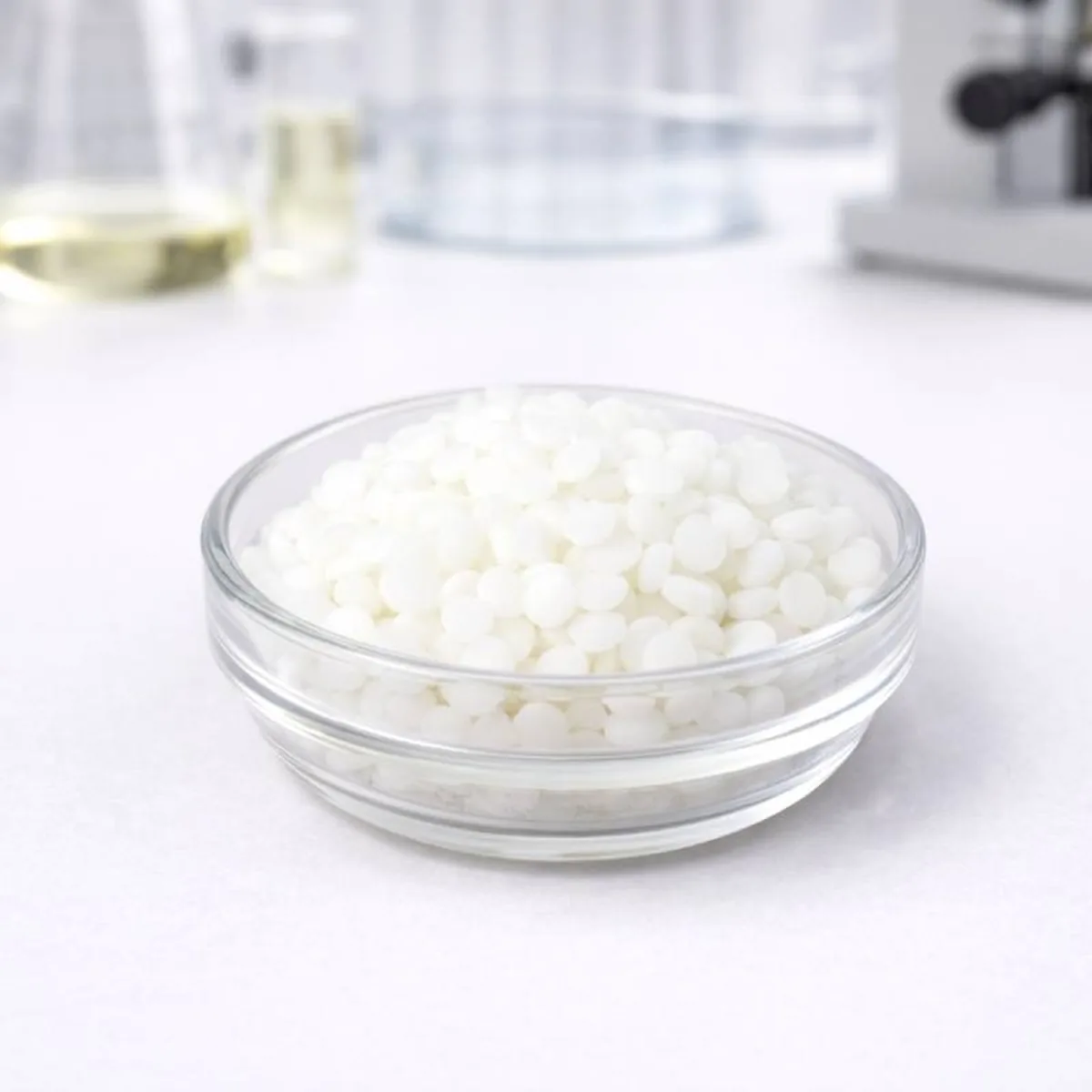
Appearancewhite glossy wax-like lamellar crystals without much taste or odor
Description
Cetyl Palmitate at a glance
Cetyl Palmitate comes as white glossy wax-like lamellar crystals with very little taste or odor. Per the supplier specification, it melts into hot alcohol and essential oils and stays undissolved in water. It is a wax ester that gives body creams and lotions a satin texture and a smooth glide. The supplier specification lists body creams and lotions, masks for mature skin, deodorants and after-sun cosmetics. Confirm grade and melting point on the supplier CoA.
Texture builder for body care
Body products need to spread easily over large areas and absorb without feeling greasy. Cetyl palmitate adds body to lotions without heaviness and gives a soft, satin after-feel. In richer body creams it builds a thicker, buttery texture.
Stick deodorants
In stick deodorants, waxes create the structure. Cetyl palmitate helps make a stick that is firm in the container yet glides smoothly on the skin. It combines well with stearyl alcohol, plant butters and powders such as starch and baking soda.
Product formats
Body creams and lotions
Satin texture and easy spreading.
Masks for mature skin
Rich cream masks with a cushioning feel.
Deodorants
Firm, smooth-gliding sticks.
After-sun cosmetics
Comforting lotions with a light texture.
Processing
Melt it with the oil phase at about 70 to 75 °C and emulsify. In stick deodorants, melt it with the other waxes and butters, add powders and pour into tubes near the setting point.
Good partners
Vegetable spermaceti is a related wax. Rice bran wax adds firmness to sticks, and Pastelike phytosterols suit after-sun lotions. Browse more in the actives catalog.
Testing
Check stick hardness, glide and payoff. In lotions, check viscosity over time and at warm temperatures.
Claims
Satin texture; smooth glide; skin feels soft and cared for.
Characteristics
Form: wax-like lamellar crystals. Solubility: hot alcohol and essential oils; not water. Type: wax ester. Listed uses: body creams and lotions, masks for mature skin, deodorants, after-sun cosmetics. Grade: supplier CoA.
Original recipe: natural deodorant stick, 100 g
Coconut oil 25.00 g, shea butter 15.00 g, cetyl palmitate 12.00 g, candelilla wax 6.00 g, arrowroot starch 22.00 g, sodium bicarbonate 8.00 g, magnesium hydroxide 5.00 g, jojoba oil 5.00 g, tocopherol 0.50 g, essential oil blend 1.50 g. Melt the oils, butter and waxes, stir in the powders until smooth, cool slightly, add tocopherol and essential oils and pour into tubes.
Avoiding grainy sticks
Butters can turn grainy if cooled slowly. Pour sticks at a moderate temperature and cool them quickly in the fridge for a smooth texture.
Mature skin masks
Cream masks for mature skin benefit from a rich, cushioning texture. Cetyl palmitate helps build it together with butters and oils.
Lab tip
Use flakes or crushed crystals for faster, more even melting in small batches.
Batch consistency
Check the melting behavior of each new lot, since small differences affect stick hardness.
Lot records
Keep each CoA with the batch file and note the lot used.
Fine-tuning hardness
If a deodorant stick is too soft, raise the wax content slightly; if it drags, add a little more liquid oil. Small steps of half a gram make the difference clear in trial batches. Record the room temperature during pouring, as it influences the final texture.
After-sun lotions
After time in the sun, users want a light lotion that spreads quickly. A small amount of cetyl palmitate gives body without heaviness, especially combined with aloe and light oils.
Record the lot number in your batch log so every production run can be traced back to its certificate of analysis. Retain a small sample of each lot for at least the shelf life of the finished product, since it makes later quality questions much easier to answer.
Storage
Store closed in a cool place. Close the container after use.
Product Specifications
Solubilityeasy in hot alcohol, essential oils, insoluble in water
StorageStore tightly closed in a cool, dry place away from light and heat. Respect the shelf life on the CoA.
TDS / CoA available on request. Contact us
Frequently Asked Questions
What is cetyl palmitate used for?
Body creams and lotions, masks for mature skin, deodorants and after-sun products.
How do I add it?
Melt it into the hot oil phase.
Does it dissolve in water?
No. It melts into oils and hot alcohol.


