
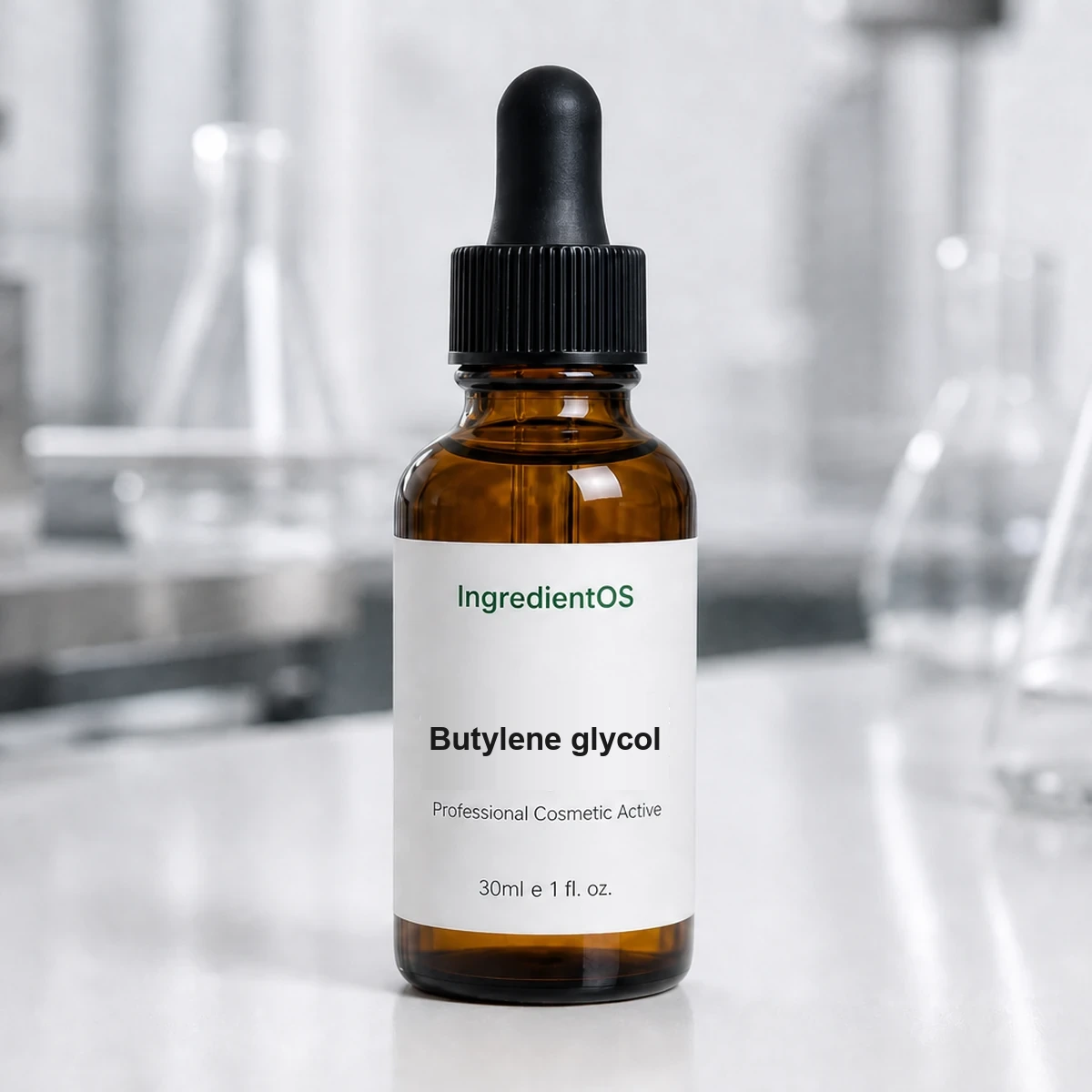
SKU: VV25101004
Butylene glycol
$15.99In stock
- Deep, multi-layer hydration and plumping appearance
- Pairs with niacinamide, panthenol, and barrier actives
- Ready-to-use liquid concentrate for professional US formulation
- Leave-on serums, creams, and care products
- Search-friendly listing for Butylene glycol
Usage Rate: Typical: use the supplied liquid active concentrate at supplier-recommended levels in leave-on formulas, delivering approximately 0.1–0.5% pure active in the finished product (1000–5000 ppm).
Packaging
Liquid sizes — 0.33 oz (10 mL) sample through bulk (US · metric)
Ships from FloridaSecure checkoutUsually ships in 1–2 business daysFree US shipping on $50+
ApplicationSerums, creams, masks, tonics, shampoos, balms, shower gels, decorative cosmetics, hair care, antiperspirants, liquid soap, cleansing solutions, hydrophilic oils, emulsions and cream-gels, topical products, balms, gels, solutions for skin care, cleansing liquids, drops, lotions, warming compositions, skin care products, gelling mixtures, flavorings, syrups, food emulsions, flavor and aroma stabilizers, soft drinks, desserts, functional foods, detergents, polishes, cleaning gels, fabric softeners, air fresheners, fragrances, technical fluids with cleansing properties
AppearanceColorless, syrupy liquid.
pHpH 6.0–7.0
Description
What is Butylene glycol?
Butylene glycol is a hydration-focused active concentrate for US formulators building hyaluronic-acid serums, barrier creams, and "glass skin" care products. Multi-weight hyaluronic systems and professional moisture concentrates remain top Google queries in the indie skincare space.
Humectant and hydration actives draw and hold water in the stratum corneum, supporting plump, smooth, well-conditioned skin. Pair with occlusives and barrier lipids for complete US-market hydration systems.
Cosmetic Uses Used as a moisturizing component, solvent, preservative, and enhancer of active ingredient penetration into the skin. It softens, imparts a silky feel, and facilitates distribution. Other Uses Used as a solvent and stabilizer for extracts, vitamins, and professional formulations, including topical cleansing and dermatological gels. It increases the bioavailability of active ingredients. Food Industry Uses It is a component of fragrances, emulsions, and gel bases and can be used as a moisture-binding agent and texture stabilizer. It is approved for use as food additive E1520. Household Chemical Uses It is included in liquid detergents, rinses, conditioners, fragrances, air fresheners, and cleaning fluids as a solvent and moisture-retaining agent.
For US formulators, Butylene glycol is supplied as a ready-to-use liquid active concentrate. Add directly to the water phase during cool-down — no powder dissolution step required.
How to use in formulation
Butylene glycol performs best at a mild, skin-friendly pH and should be protected from strong oxidizers and high electrolyte loads. Its clean solubility suits transparent serums, essences, and lightweight emulsions — the textures US consumers expect from professional-grade skincare. Robust preservation is essential for any water-based active system.
Commercially, Butylene glycol supports clear on-page SEO: trade name, INCI, usage rate, and cosmetic function are visible to Google and to formulators evaluating ingredients for launch. Whether you are building a single-ingredient booster or a multi-active complex, this concentrate integrates into modern US appearance-focused cosmetic and specialty skincare lines.
Butylene glycol works in multi-weight HA systems, barrier creams, and "glass skin" essences popular with US indie formulators. Combine with glycerin, panthenol, beta-glucan, and ceramides for complete hydration-and-barrier positioning that ranks well for long-tail Google queries.
Humectant actives perform best when paired with occlusives or emollients in finished formulas, especially in dry US climates. Butylene glycol supports premium hydration claims without the instability risks of raw powder handling.
Formulation notes and buying guidance
Standard handling: water-phase addition during cool-down, mild pH, preservation, and leave-on formats. Butylene glycol is a practical hero for hydration-focused launches on the US market.
IngredientOS lists Butylene glycol with full English product copy structured for US Google search in 2026 — including SEO title, meta description, usage rate, solubility, FAQ, and schema markup — so formulators and ingredient buyers can evaluate, compare, and purchase with confidence.
IngredientOS lists Butylene glycol with full English product copy structured for US Google search in 2026 — including SEO title, meta description, usage rate, solubility, FAQ, and schema markup — so formulators and ingredient buyers can evaluate, compare, and purchase with confidence.
Key Benefits
- Deep, multi-layer hydration and plumping appearance
- Pairs with niacinamide, panthenol, and barrier actives
- Ready-to-use liquid concentrate for professional US formulation
- Leave-on serums, creams, and care products
- Search-friendly listing for Butylene glycol
Product Specifications
Usage RateTypical: use the supplied liquid active concentrate at supplier-recommended levels in leave-on formulas, delivering approximately 0.1–0.5% pure active in the finished product (1000–5000 ppm).
SolubilitySoluble in water; also mixes with acetone and castor oil. Add to the water phase.
StorageStore tightly closed in a cool, dry place away from light and heat. Refrigerate opened material where practical; respect supplier shelf life.
TDS / CoA available on request. Contact us
Frequently Asked Questions
What is Butylene glycol?
A professional cosmetic liquid active concentrate for US formulators and ingredient buyers.
Is this a powder or a liquid?
It is supplied as a ready-to-use liquid active concentrate — add directly to the water phase during cool-down.
What usage rate should I target?
Typical finished formulas use supplier-recommended concentrate levels to deliver ~0.1–0.5% pure active (1000–5000 ppm).
What product types suit this ingredient?
Leave-on serums, essences, creams, and care emulsions sold in the US market.
How should I store it?
Store tightly closed, cool and dry, away from light and heat; refrigerate opened material where practical.


