SKU: J90057
Urea
$9.99In stock
Packaging
Powder sizes (metric · US)
Ships from FloridaSecure checkoutUsually ships in 1–2 business daysFree US shipping on $50+
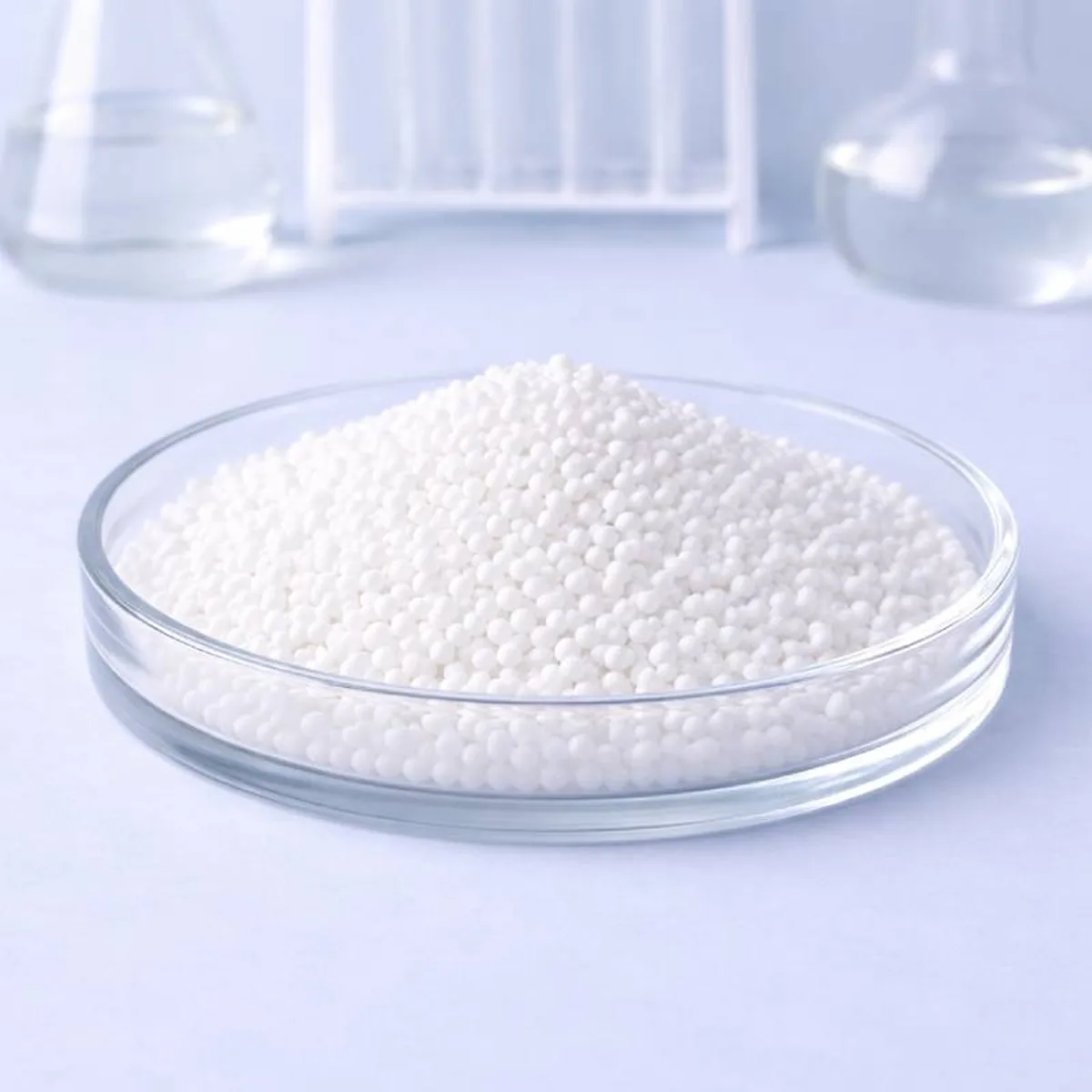
Appearancegranules
Description
Urea at a glance
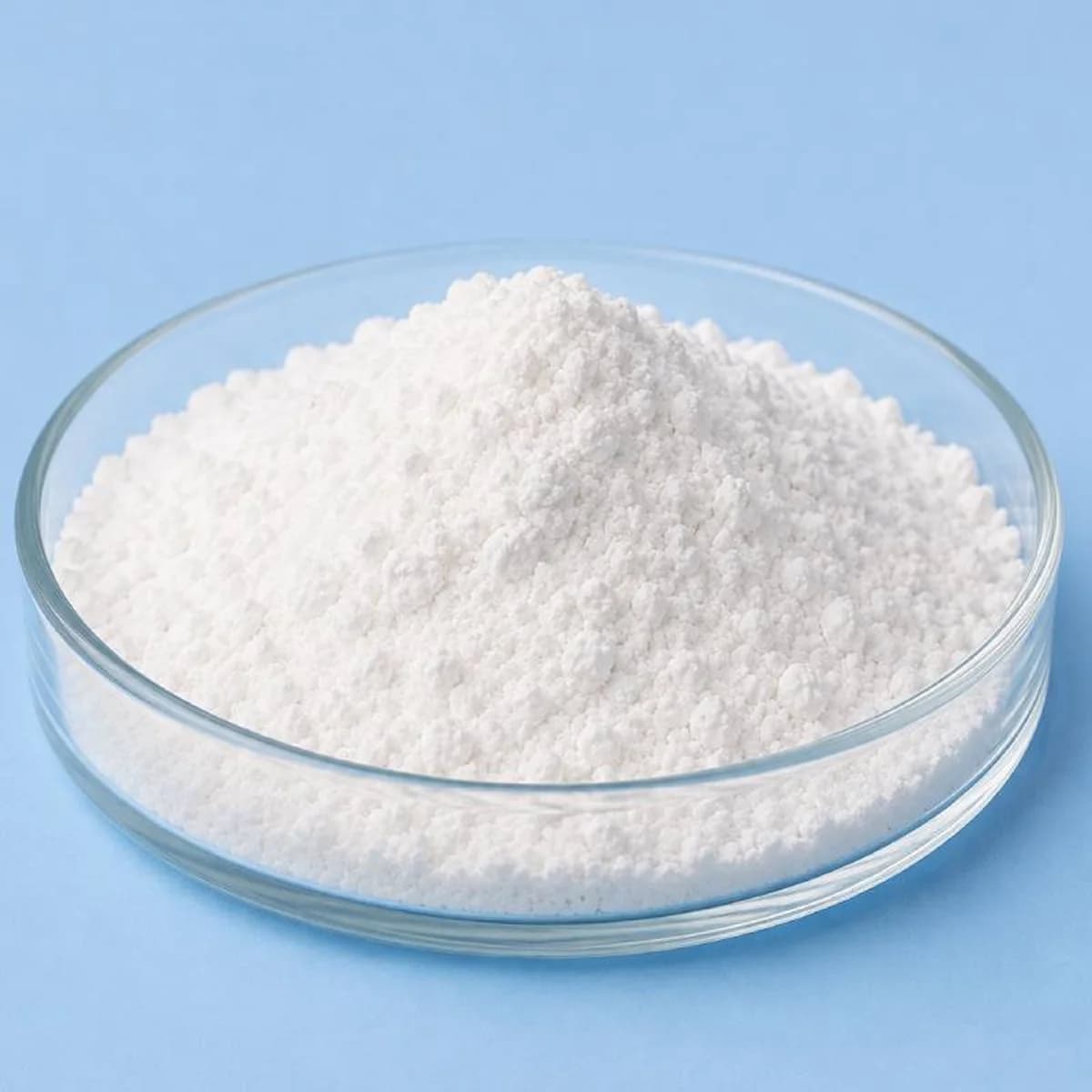
Urea comes as granules that dissolve in water and alcohol. It is a small molecule that the skin itself contains as part of its natural moisturizing factor, the mix that keeps the outer layer supple. In cosmetics urea is one of the classic humectants for dry and rough skin. Confirm purity on the supplier CoA.
Why urea works for dry skin
Urea binds water strongly and helps the outer skin layer stay flexible. At low levels it hydrates and smooths. At higher levels it also helps loosen the bonds between dead cells, so rough, thickened areas like heels, elbows and knees feel softer. This dual action makes urea a favorite in foot creams and body lotions for very dry skin.
Product formats
Foot creams
Rich creams for rough, dry heels.
Body lotions
Lotions for dry legs and arms.
Hand creams
Creams for dry, chapped hands.
Face creams
Low levels in moisturizers for a soft, smooth feel.
Processing
Dissolve urea in the water phase at room temperature. Urea absorbs heat as it dissolves, so the water cools down; this is normal. Avoid heating urea solutions, because heat breaks urea down into ammonia and raises the pH. In emulsions, add the urea solution during cool-down. A buffer such as lactic acid and sodium lactate helps keep the pH stable over time.
Good partners
Glycerin, lactic acid and the Natural Moisturizing Factor liquid complete a hydration base. Unrefined shea butter adds richness to foot creams, and Alanine another NMF component. Browse more in the actives catalog.
Testing
Measure pH over time; a rising pH and ammonia smell show urea breakdown. Measure skin hydration and roughness before and after use.
Claims
Skin feels deeply hydrated and smoother; rough, dry areas feel softer.
Characteristics
Form: granules. Solubility: water, alcohol. Type: humectant, part of the skin's natural moisturizing factor. Grade: supplier CoA.
Original recipe: softening foot cream, 100 g
Distilled water 58.30 g, urea 10.00 g, glycerin 5.00 g, lactic acid 0.50 g, sodium lactate 1.00 g, xanthan gum 0.20 g, glyceryl stearate citrate 4.00 g, cetearyl alcohol 3.00 g, shea butter 8.00 g, sunflower oil 8.00 g, phenoxyethanol and ethylhexylglycerin 1.00 g, menthyl lactate 0.20 g, tocopherol 0.80 g. Emulsify the heated phases without urea, cool below 40 °C, add urea pre-dissolved in part of the water with lactic acid and sodium lactate, then the remaining ingredients.
Keeping urea stable
Urea slowly breaks down in water, especially when warm. Buffering the formula with lactic acid and sodium lactate, adding urea at cool-down and keeping the product in a cool place all help. Check pH after three months at room temperature and at 40 °C.
Choosing the level
Moisturizers for the face usually use low levels, body lotions moderate levels and foot creams the highest. Higher levels can tingle on sensitive skin, so test carefully.
Range ideas
A foot cream, a body lotion and a hand cream can share urea at different levels for a complete dry-skin line.
Lot records
Keep each CoA with the batch file and note the lot used.
Sensory considerations
Higher levels of urea can leave a slightly sticky feel. Light emollients, a small amount of silicone alternative or a dry-touch powder help balance this. Glycerin adds hydration but also stickiness, so adjust both together. Test the skin feel right after application and again after ten minutes.
Directions for users
For rough heels, suggest applying the cream every evening, ideally after a shower when the skin is soft, and wearing cotton socks overnight. For body lotions, daily use after bathing gives the best feel. Advise users to avoid broken skin and to stop if the product stings.
Packaging
Tubes and pumps limit air contact and keep the product clean. Avoid storing finished products in very warm places, since heat speeds up urea breakdown.
Storage
Store closed in a dry place. Close the container after use.
Product Specifications
Solubilitywater, alcohol
StorageStore tightly closed in a cool, dry place away from light and heat. Respect the shelf life on the CoA.
TDS / CoA available on request. Contact us
Frequently Asked Questions
Is urea natural to the skin?
Yes. It is part of the skin's natural moisturizing factor.
How do I add it?
Dissolve it in the water phase at room temperature; avoid heating.
Which products use it?
Foot creams, body lotions, hand creams and creams for very dry skin.