SKU: VV26052003
Sodium Acetylated Hyaluronate
$9.99In stock
Usage Rate: Typical: use the supplied a cosmetic powder ingredient at supplier-recommended levels in leave-on formulas, delivering approximately 0.1–0.5% pure active in the finished product (1000–5000 ppm).
Packaging
Powder sizes (metric · US)
Ships from FloridaSecure checkoutUsually ships in 1–2 business daysFree US shipping on $35+
ApplicationApplications in various fields Skin cosmetics Serums Creams and emulsions Toners Essences Masks Body cosmetics Lotions Moisturizing gels Restorative products Hair care Hair moisturizers Scalp tonics Professional cosmetology Post-procedure care Intensive moisturizing programs Hardware care products SPA and wellness industry Moisturizing programs Barrier care complexes
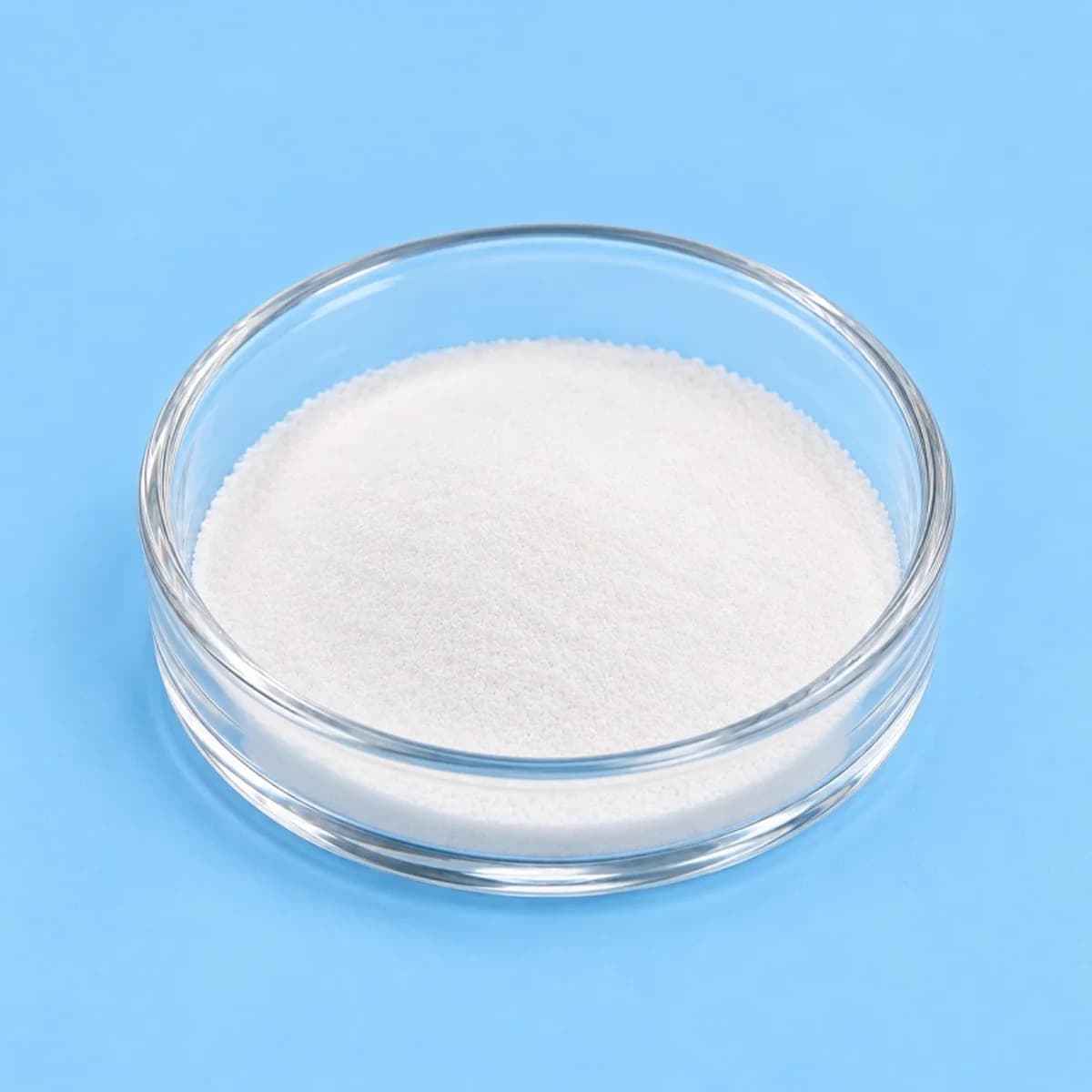
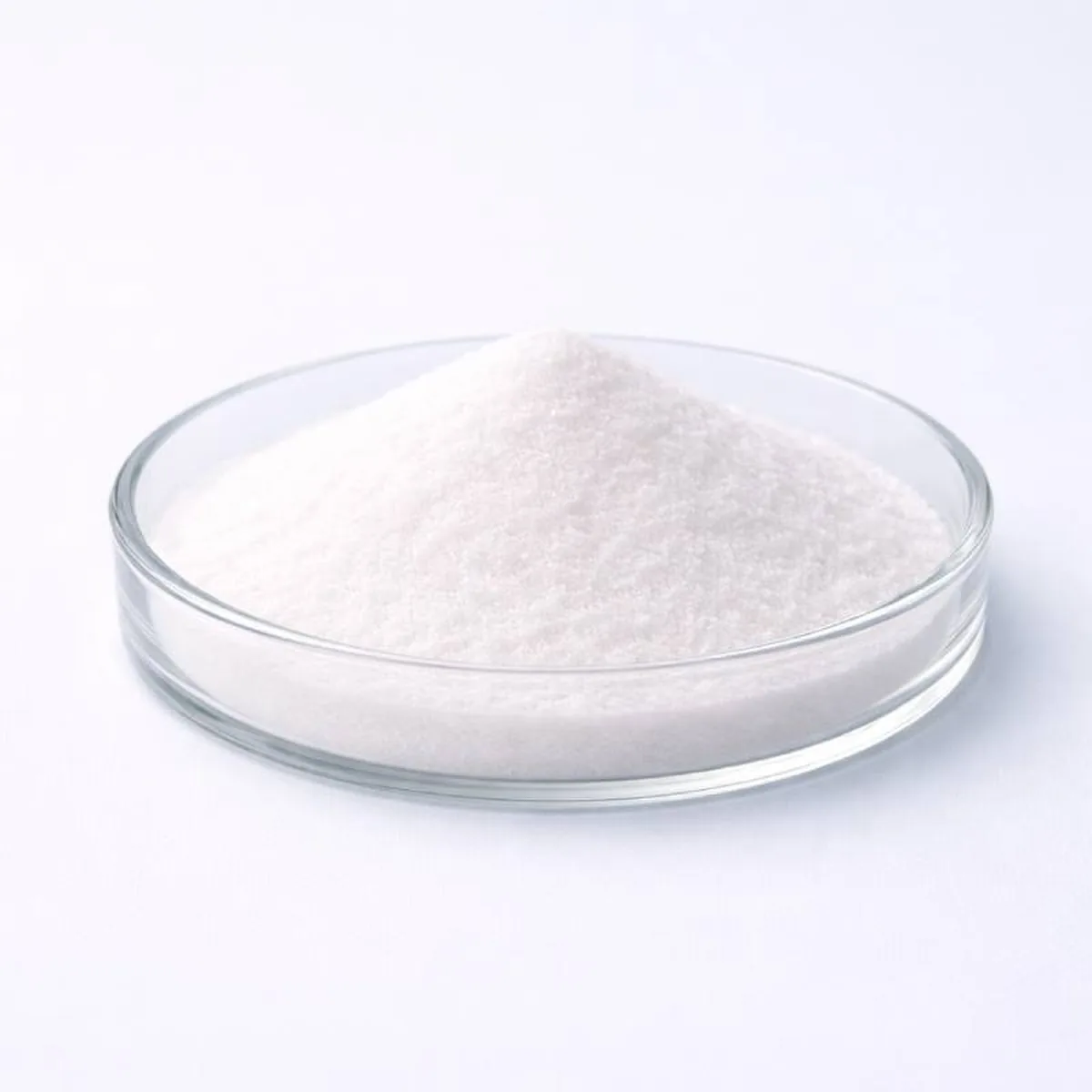
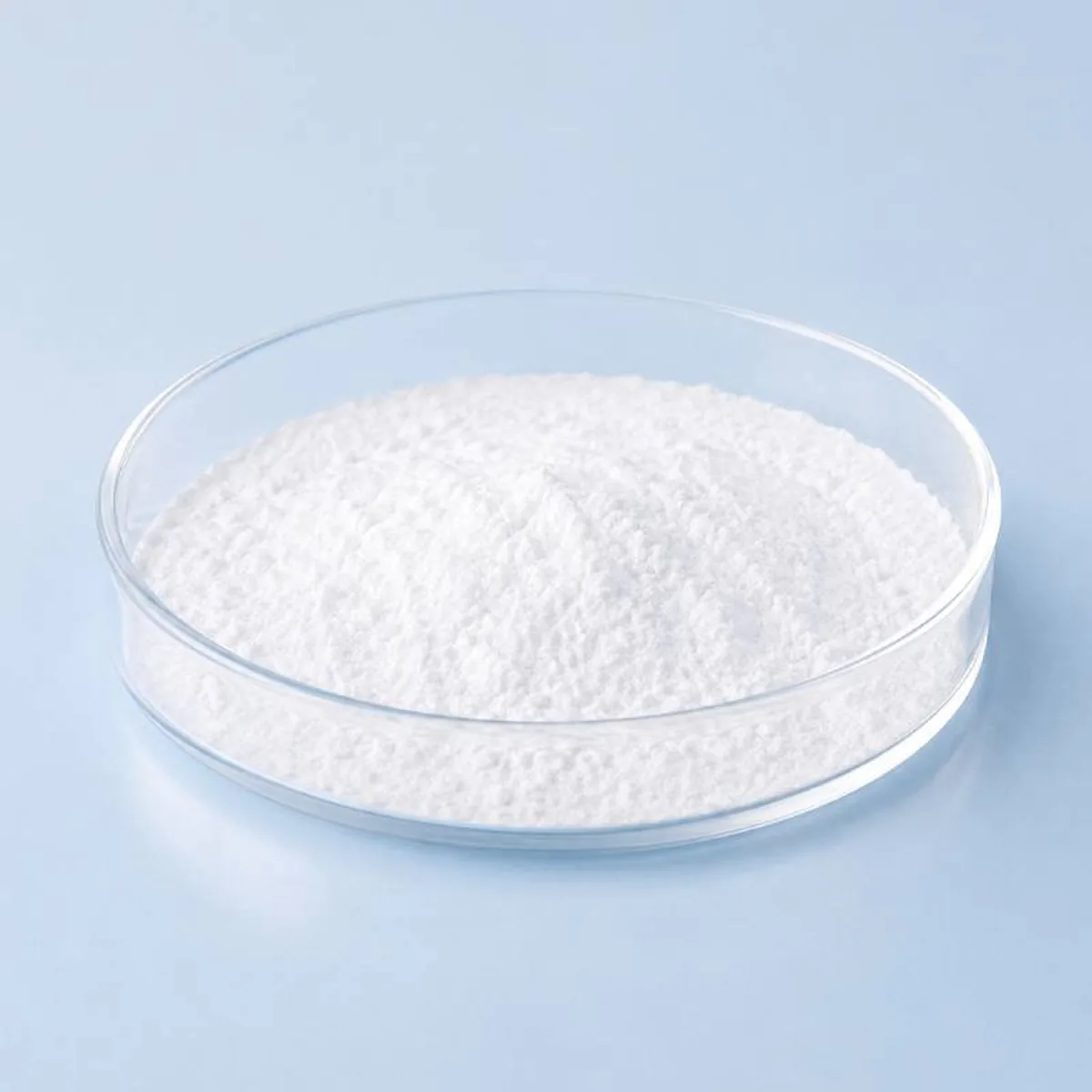
AppearanceFine powder
pH4.0–8.0
Description
Ordinary hyaluronic acid is purely water-loving. Sodium Acetylated Hyaluronate is a modified version in which part of the hydroxyl groups along the chain carry acetyl groups. This small chemical change gives the molecule an amphiphilic character: it still binds water, yet it also has an affinity for the lipid-rich skin surface. In the market it is often described as a super hyaluronic acid because of the lasting soft feel it leaves.
Form and specifications
We supply Sodium Acetylated Hyaluronate as a fine, dry material sold by weight. The supplier specification lists a working pH range of 4.0 to 8.0. The spec table on our page uses a generic liquid template in the solubility field; in practice the material is hydrated in water before use. Specification and recommended level are confirmed on the CoA for each lot.
Why formulators use it
Because it is attracted to the skin surface, the acetylated form is associated with a moisture feel that lasts after the product has dried, and with a soft, smooth finish rather than tack. That makes it popular in serums for dry and mature skin, in toners where a light texture is required and in creams where it complements classic hyaluronic acid.
Applications from the supplier specification
Skin care: serums, creams and emulsions, toners, essences and masks. Body care: lotions, moisturizing gels and restorative-feel products. Hair care: hair moisturizers and scalp tonics. Professional cosmetology: leave-on cosmetic serum care and intensive moisture programs.
Preparing a stock solution
Hyaluronic derivatives clump if they are added too fast. Two simple methods work well. The first is to sprinkle the material slowly onto the vortex of stirred water and allow it to hydrate for an hour or more. The second is to disperse it first in glycerin or propanediol, which separates the particles, then add water. A 1 percent stock solution in preserved water is convenient for small batches and can be stored in the fridge for short periods.
Adding to the formula
Add the hydrated solution to the water phase, or to the cooled emulsion, with gentle stirring. Avoid very high shear for long periods, which can break down the polymer.
Combining with other ingredients
For a multi-type hydration product, combine it with high molecular weight hyaluronic acid for surface film and with low molecular sodium hyaluronate for a lighter feel. It works in both gel and emulsion systems. More moisture ingredients are listed in our actives category.
Claims
Keep claims tied to the finished product: long-lasting hydration, softer and smoother-feeling skin, a comfortable feel through the day. Instrumental moisture tests and user questionnaires support these statements well.
Packaging and routine
Products with acetylated hyaluronic acid are often sold as a hydration step for dry or mature skin. A dropper bottle or a pump with a light gel texture suits daily use morning and evening. Advise customers to apply it on slightly damp skin and to follow with a moisturizer, which locks in the water drawn to the surface. In body lotions, it adds a lasting soft feel that customers often notice the next morning, a useful point for product descriptions and reviews. For hair moisturizers, keep the level modest so that fine hair does not feel coated. Record the lot from the CoA in each batch record so that any variation in texture can be traced back.
Original recipe: acetyl-hyaluronic toner, 100 g
Purified water 92.20 g, glycerin 3.00 g, sodium acetylated hyaluronate 0.10 g, sodium hyaluronate 0.10 g, panthenol 1.00 g, betaine 2.00 g, allantoin 0.10 g, preservative 1.00 g, lactic acid solution 0.50 g. Disperse both hyaluronates in glycerin, add to the water under stirring and let hydrate fully. Add the remaining ingredients one by one and adjust pH to 5.0 to 5.5.
Storage
Keep the container tightly sealed in a dry, cool place. Hyaluronic materials absorb moisture from the air, so close the pack straight after weighing.
Product Specifications
Usage RateTypical: use the supplied a cosmetic powder ingredient at supplier-recommended levels in leave-on formulas, delivering approximately 0.1–0.5% pure active in the finished product (1000–5000 ppm).
SolubilitySoluble in water. Weigh the powder and dissolve or disperse it as the supplier CoA directs.
StorageStore tightly closed in a cool, dry place away from light and heat. Refrigerate opened material where practical; respect supplier shelf life.
TDS / CoA available on request. Contact us
Frequently Asked Questions
How is it different from sodium hyaluronate?
Acetyl groups added to the chain give it both water-loving and oil-loving character, which is linked to good affinity for skin and a lasting smooth feel.
How do I dissolve it?
Sprinkle it slowly into water with stirring, or pre-wet it with glycerin, and let it hydrate fully before adding the solution to the formula.
What pH range suits it?
The supplier specification lists 4.0 to 8.0.
Can it be used in hair care?
Yes, hair moisturizers and scalp tonics are listed applications.