SKU: TM19070801
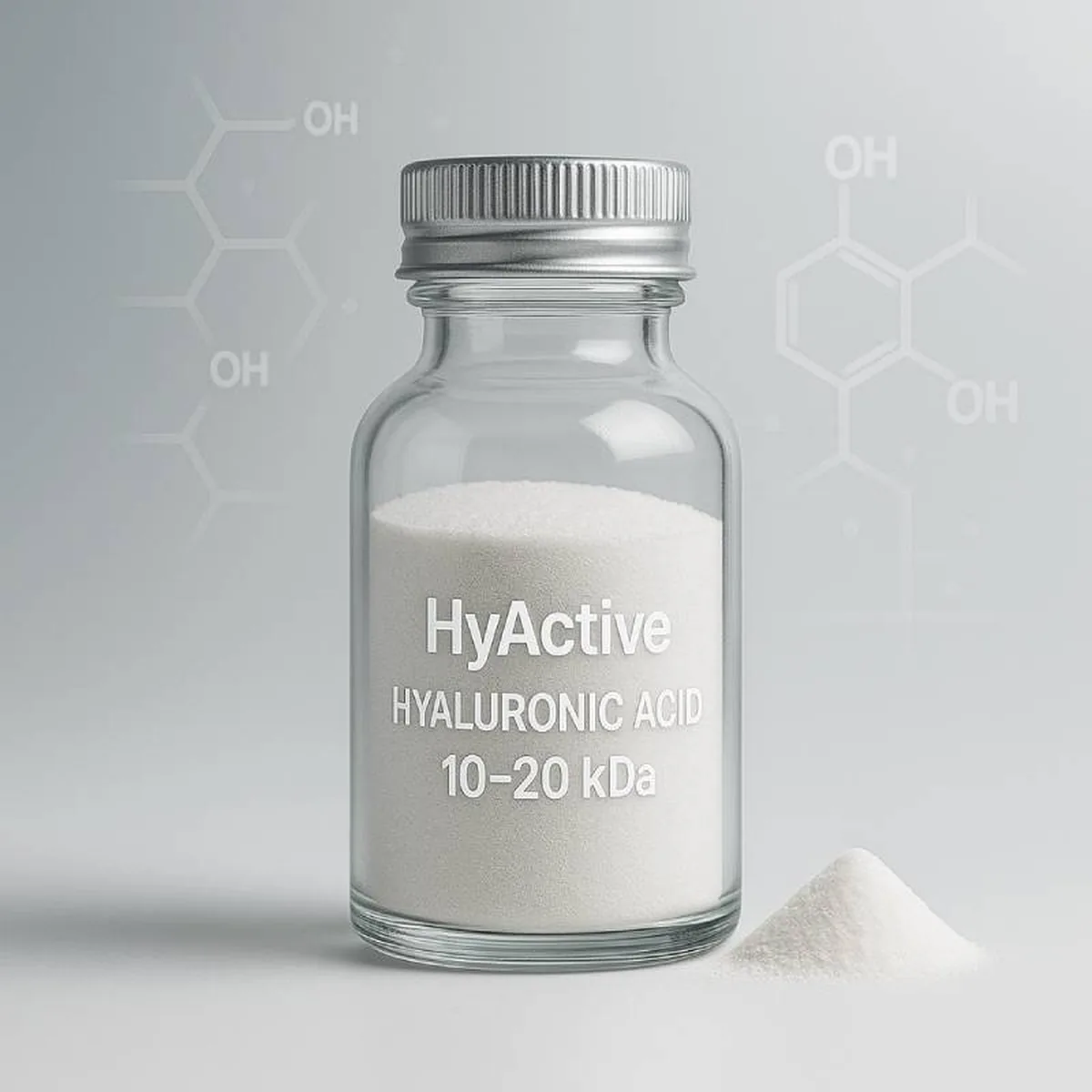
Low Molecular Sodium Hyaluronate
$9.99In stock
Usage Rate: Typical: use the supplied a cosmetic powder ingredient at supplier-recommended levels in leave-on formulas, delivering approximately 0.1–0.5% pure active in the finished product (1000–5000 ppm).
Packaging
Powder sizes (metric · US)
Ships from FloridaSecure checkoutUsually ships in 1–2 business daysFree US shipping on $35+
Applicationserums, balms, masks, creams, tonic, hair cosmetics, spray, cosmetics for face skin care, makeup remover, baby cosmetics, moisturizing cosmetics, eye cosmetics, fluid, creams, anti-aging compositions
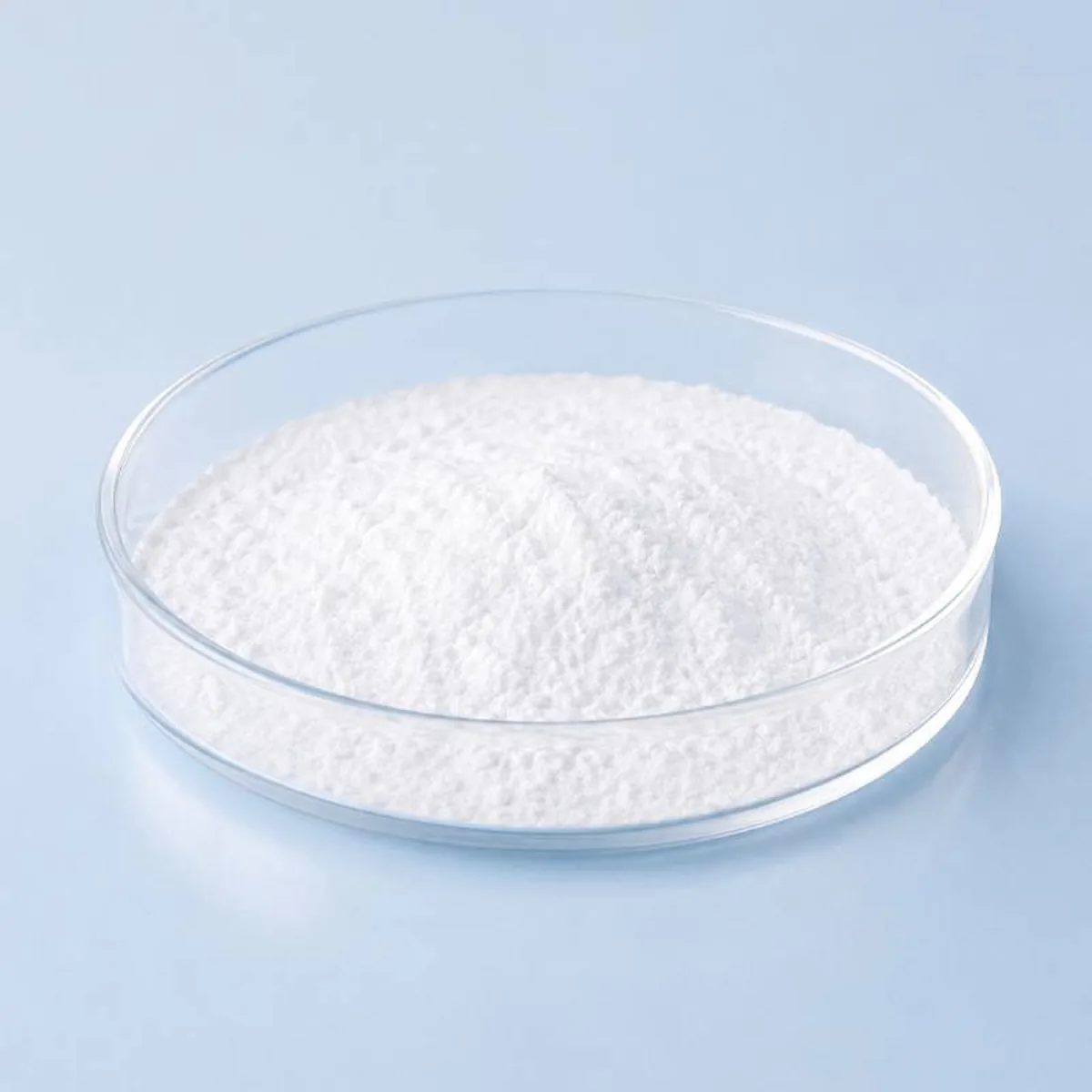
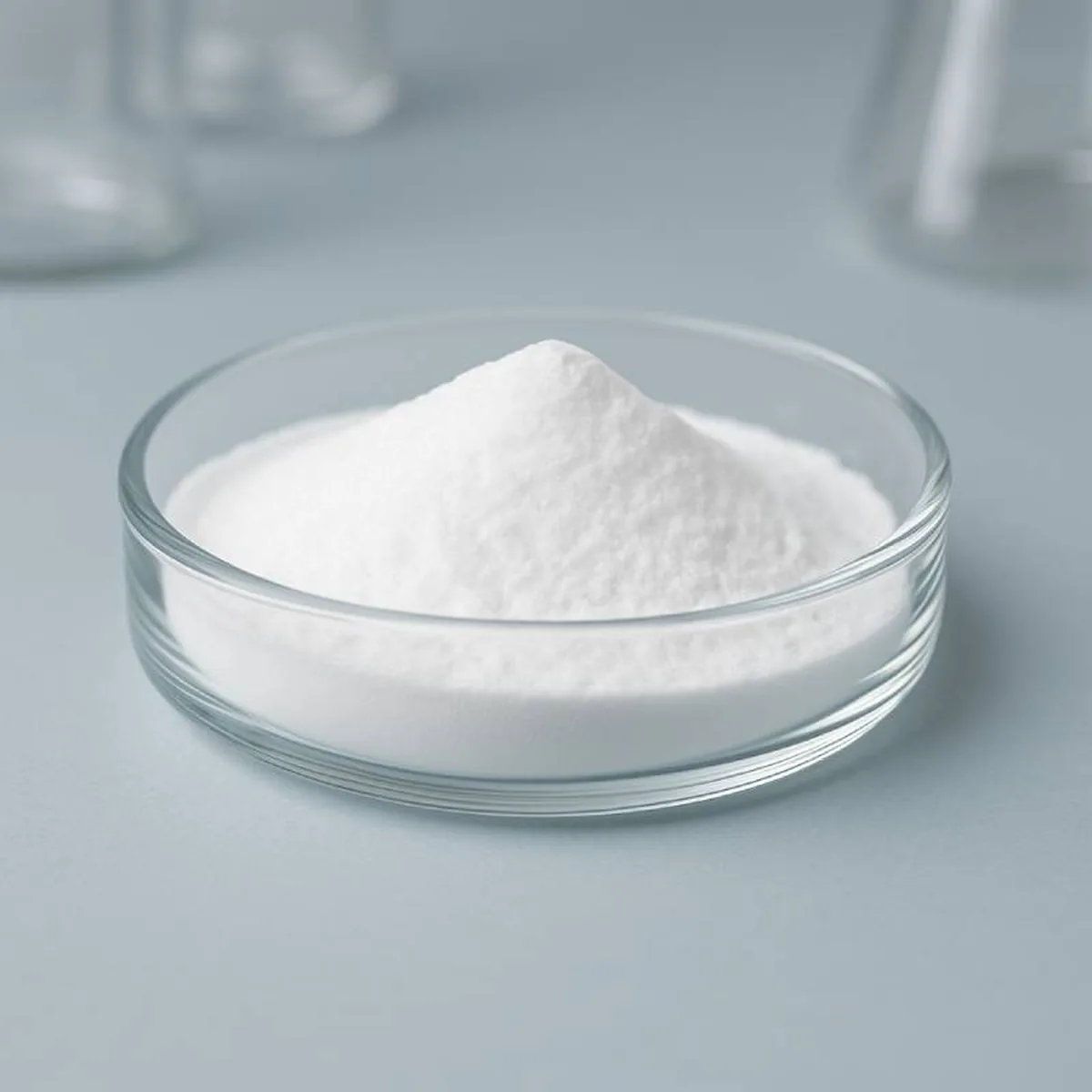
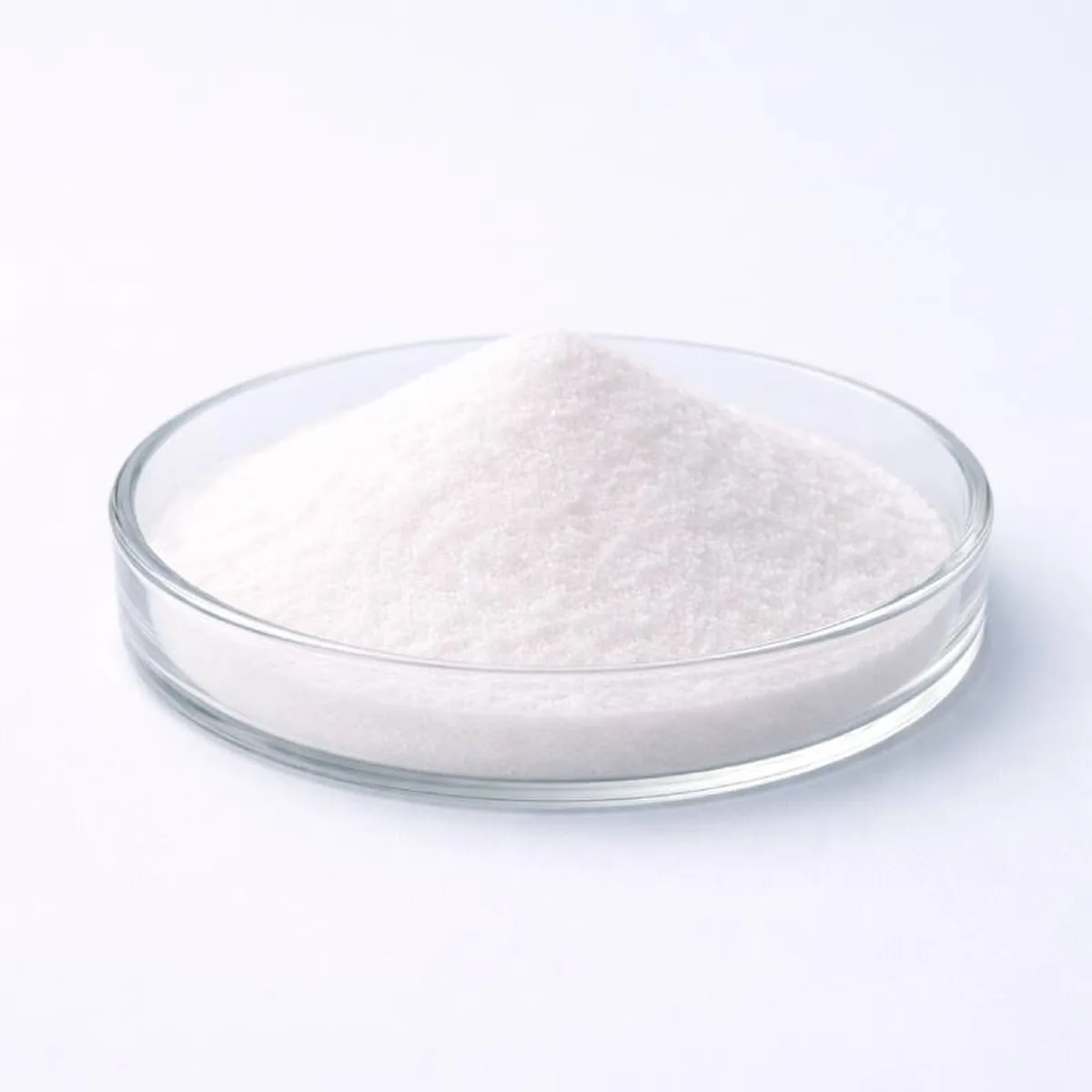
Appearancepowder
Description
Sodium hyaluronate behaves very differently depending on chain length. Long chains make thick, silky gels; short chains give thin, watery solutions with a quick-absorbing feel. Low Molecular Sodium Hyaluronate is the short-chain end of the family, chosen when a product must stay light and free of stickiness while still carrying the hyaluronic acid name.
What low molecular means
The molecular weight of a hyaluronic acid grade describes the average chain length. Lower values mean shorter chains and lower viscosity at the same concentration. On skin, lower weight grades tend to feel less tacky and leave little visible film. The precise molecular weight range for our lot is printed on the CoA, and it is worth recording in your formula sheet because it influences texture.
Supplied form
We sell this grade as a dry material by weight. The solubility field on our product page uses a generic liquid template; in practice the material is hydrated in water before being added to a formula. A short-chain grade usually hydrates faster than a high molecular one, but it still benefits from careful dispersion.
Applications
The supplier specification covers a wide range: serums, balms, masks, creams, toners, hair cosmetics, sprays, facial care, makeup removers, baby cosmetics, moisturizing products, eye cosmetics, fluids and appearance-focused cosmetic compositions.
Thin textures
Toners, essences and mists benefit most. They stay watery and sprayable even with a meaningful hyaluronic level.
Eye gels
Low viscosity and low tack make it comfortable for the eye contour, where heavy films can feel tight.
Multi-weight systems
Combining low and high molecular weight hyaluronic acid gives both a surface film and a lighter, quick-absorbing component in one product.
Preparation method
Sprinkle the material slowly onto the surface of stirred water, or disperse it first in glycerin and then add water. Let it hydrate until the solution is completely clear and free of gel particles. Add the solution to the water phase or to the cooled emulsion. Strong acids, high electrolyte loads and long high-shear mixing can affect hyaluronic polymers, so check the finished product over time.
Partner ingredients
A simple humectant base with glycerin and betaine supports the hydration claim. For an amphiphilic partner with a lasting soft finish, add sodium acetylated hyaluronate. Further moisture ingredients are listed under actives.
Writing about it honestly
Hyaluronic acid copy often promises far more than a moisture ingredient can deliver. Stay with what can be measured on the finished product: hydration, a smoother surface, plumper-looking fine dry lines and comfort. Avoid suggestions that it changes the structure of the skin.
Quality control
Hyaluronic acid grades can vary slightly from lot to lot in viscosity and molecular weight. Record both values from the CoA, prepare a small test solution on arrival and compare its clarity and flow with the previous lot. If a product suddenly feels thinner or stickier, this record makes the cause easy to find. Microbial safety matters too: prepared solutions without preservative support growth quickly, so preserve stock solutions and use them within a short period. Clean, dry scoops and fast closing of the pack keep the material free flowing over its shelf life.
Original recipe: airy eye gel, 100 g
Purified water 91.30 g, glycerin 2.00 g, low molecular sodium hyaluronate 0.30 g, high molecular sodium hyaluronate 0.10 g, carbomer 0.40 g, sodium hydroxide solution 0.40 g, caffeine 0.50 g, panthenol 1.00 g, propanediol 3.00 g, eye-safe preservative 1.00 g. Disperse the hyaluronates in glycerin and propanediol, add water and hydrate. Disperse carbomer, dissolve caffeine and panthenol, add preservative and neutralize to pH 6.0.
Storage
Store tightly sealed in a cool, dry place. Close the pack immediately after weighing to keep moisture out.
Product Specifications
Usage RateTypical: use the supplied a cosmetic powder ingredient at supplier-recommended levels in leave-on formulas, delivering approximately 0.1–0.5% pure active in the finished product (1000–5000 ppm).
SolubilityMicromolecular GN is usually introduced into the aqueous or active phase, while it is recommended to avoid heating above 75 ° C. Weigh the powder and dissolve or disperse it as the supplier CoA directs.
StorageStore tightly closed in a cool, dry place away from light and heat. Refrigerate opened material where practical; respect supplier shelf life.
TDS / CoA available on request. Contact us
Frequently Asked Questions
Why choose a low molecular grade?
Shorter chains give lower viscosity and a lighter, less sticky feel, useful in thin serums, toners, mists and eye gels.
How do I dissolve it?
Sprinkle slowly into stirred water or pre-disperse in glycerin, then let it hydrate fully.
Can it be combined with high molecular hyaluronic acid?
Yes, combining grades is a common way to build a multi-weight hydration product.
Where is the molecular weight stated?
On the supplier CoA for each lot.