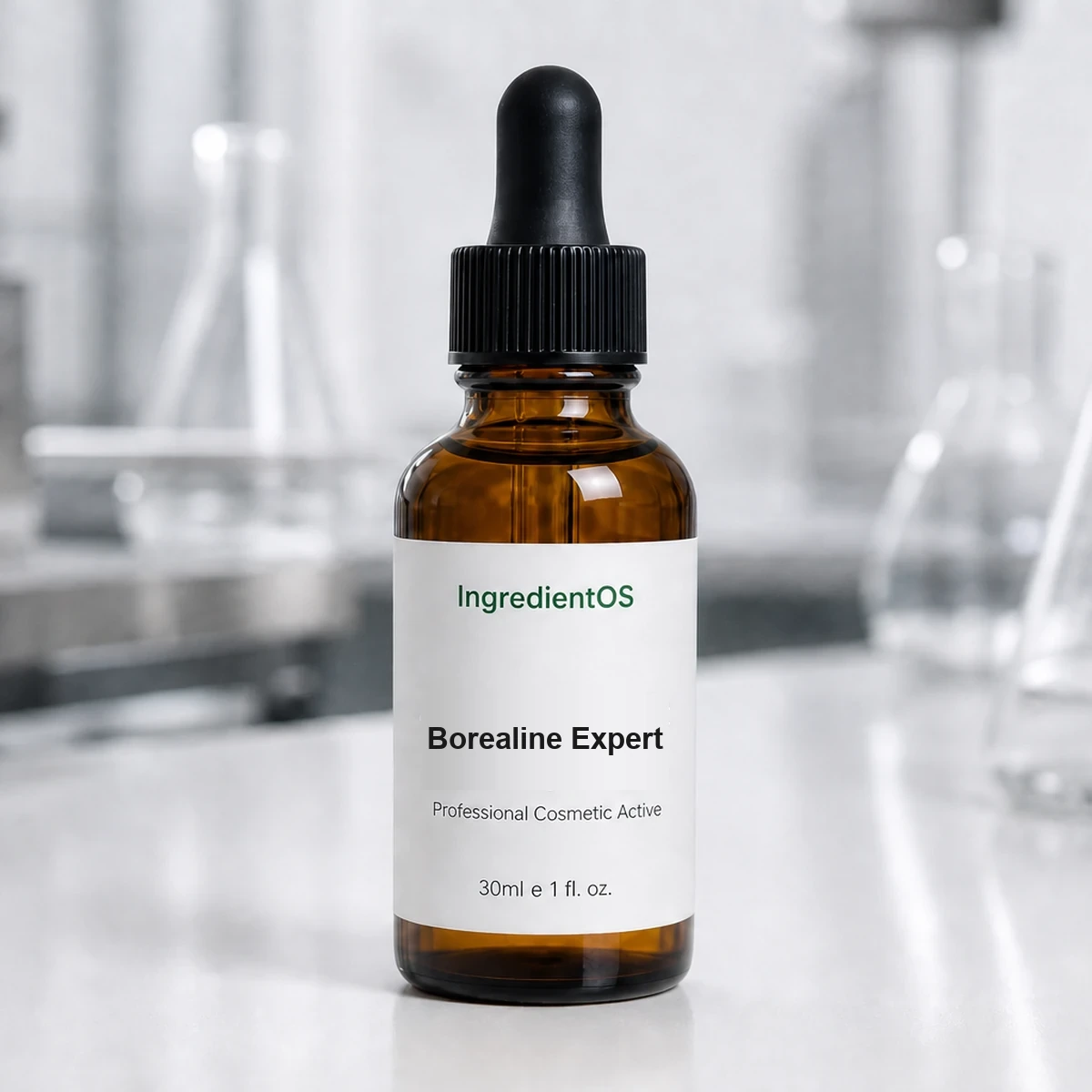
SKU: TM20030403
Acer Rubrum (Red Maple) Bark Extract Liquid, IO
$15.99In stock
INCI: Glycerin (and) Water (and) Acer Rubrum Bark Extract
Usage Rate: 0.1–0.25%
Packaging
Liquid sizes — 10 mL sample through bulk (US · metric)
Ships from FloridaSecure checkoutUsually ships in 1–2 business daysFree US shipping on $50+
AppearanceYellow to brown liquid
Description
This ingredient at a glance
Acer Rubrum (Red Maple) Bark Extract Liquid is a water-soluble liquid active concentrate. Its INCI is glycerin, water and red maple (Acer rubrum) bark extract, a polyphenol-rich extract from a tree of the Canadian boreal forest. It is used at only 0.1 to 0.25%.
Starting from the data sheet
With an active and little card data, the first step is the supplier data sheet. Look for the INCI name, the recommended level, the pH range, compatible ingredients, heat limits and any test data. Ask the supplier directly if the data sheet is incomplete.
Product formats
Once the data sheet confirms the purpose, typical water-based formats include:
Serums
Light serums with a single hero active.
Gel creams
Fresh moisturizers.
Creams
Emulsions with the active added at cool-down.
Masks
Gel or cream masks.
Processing
Add the concentrate to the water phase during cool-down, below about 40 °C, and avoid prolonged heating. Measure the pH after adding it and adjust to the range given by the supplier.
Good partners
A simple hydrating base helps test a new active fairly. Trehalose, Ectoin and glycerin make a gentle base. Browse more in the actives catalog.
Testing
Run small batches with and without the active, store them at several temperatures and compare color, odor, pH and viscosity over three months.
Claims
Base all claims on supplier data. Until then, describe the product's texture and feel.
Characteristics
Form: water-soluble yellow to brown liquid. INCI: glycerin, water, Acer rubrum bark extract. Use level: 0.1 to 0.25%. Positioning: age-defying care for firmer, smoother-looking skin.
Original recipe: hydrating test gel cream, 100 g
Distilled water 83.10 g, glycerin 4.00 g, Acer Rubrum (Red Maple) Bark Extract Liquid 0.20 g, caprylic capric triglyceride 5.00 g, squalane 2.00 g, polyglyceryl-6 stearate blend 2.50 g, xanthan gum 0.40 g, trehalose 1.00 g, panthenol 0.50 g, phenoxyethanol and ethylhexylglycerin 1.00 g, sodium citrate 0.30 g. Disperse xanthan in glycerin, add to the water with trehalose and panthenol, emulsify the oils, cool, add Acer Rubrum (Red Maple) Bark Extract Liquid and the preservative and check the pH. Adjust Acer Rubrum (Red Maple) Bark Extract Liquid level to the CoA.
Planning a launch
Once the supplier confirms the purpose and claims, plan the product story, the packaging and the launch timeline. Leave time for stability testing, a challenge test and the safety assessment.
Label information
Use the INCI name from the supplier documents on the label. If the concentrate contains a carrier or preservative, include those ingredients as well.
Directions for users
Write directions that match the final format, such as morning and evening after cleansing for a gel cream.
Record keeping
Note the concentrate lot, the trial level and the results of each batch in a formula notebook.
Lot records
Keep each CoA with the batch file and note the lot used.
Trial plan
Start with three levels: the lowest, middle and highest the supplier suggests. Make each in the same base, label the samples clearly and store them side by side. After a month, compare texture, scent, color and any user feedback. This simple plan quickly shows which level gives the best balance of performance and stability.
Preservation
Run a challenge test on the final formula, since a new concentrate may change how the preservative performs.
A very low dose
At 0.1 to 0.25%, a 100 g batch needs only a fraction of a gram. Weigh it on a precise scale or make a premix in glycerin for easier dosing.
Storage
Store closed as the CoA directs. Close the container after use.
Product Specifications
INCIGlycerin (and) Water (and) Acer Rubrum Bark Extract
Usage Rate0.1–0.25%
SolubilityWater-soluble. Add to the water phase below 40 °C.
StorageStore tightly closed in a cool, dry place away from light and heat. Refrigerate opened material where practical; respect supplier shelf life.
TDS / CoA available on request. Contact us
Frequently Asked Questions
What form is Acer Rubrum (Red Maple) Bark Extract Liquid?
A water-soluble liquid active concentrate.
How is it added?
To the water phase during cool-down, avoiding prolonged heat.
Where can I find its composition?
On the supplier CoA and data sheet.