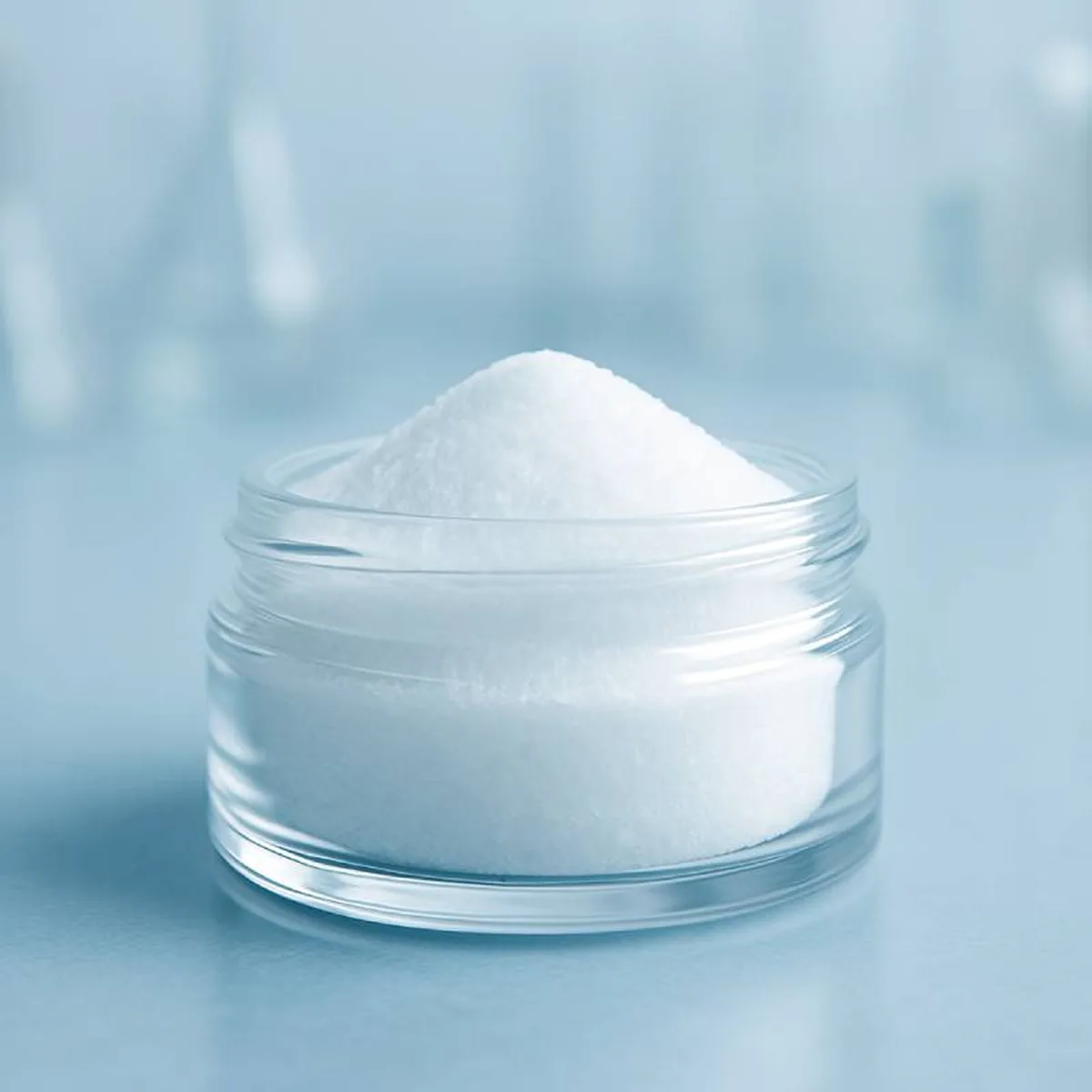
SKU: J90116
IO Menthyl Lactate Crystals
$9.99In stock
Packaging
Powder sizes (metric · US)
Ships from FloridaSecure checkoutUsually ships in 1–2 business daysFree US shipping on $50+
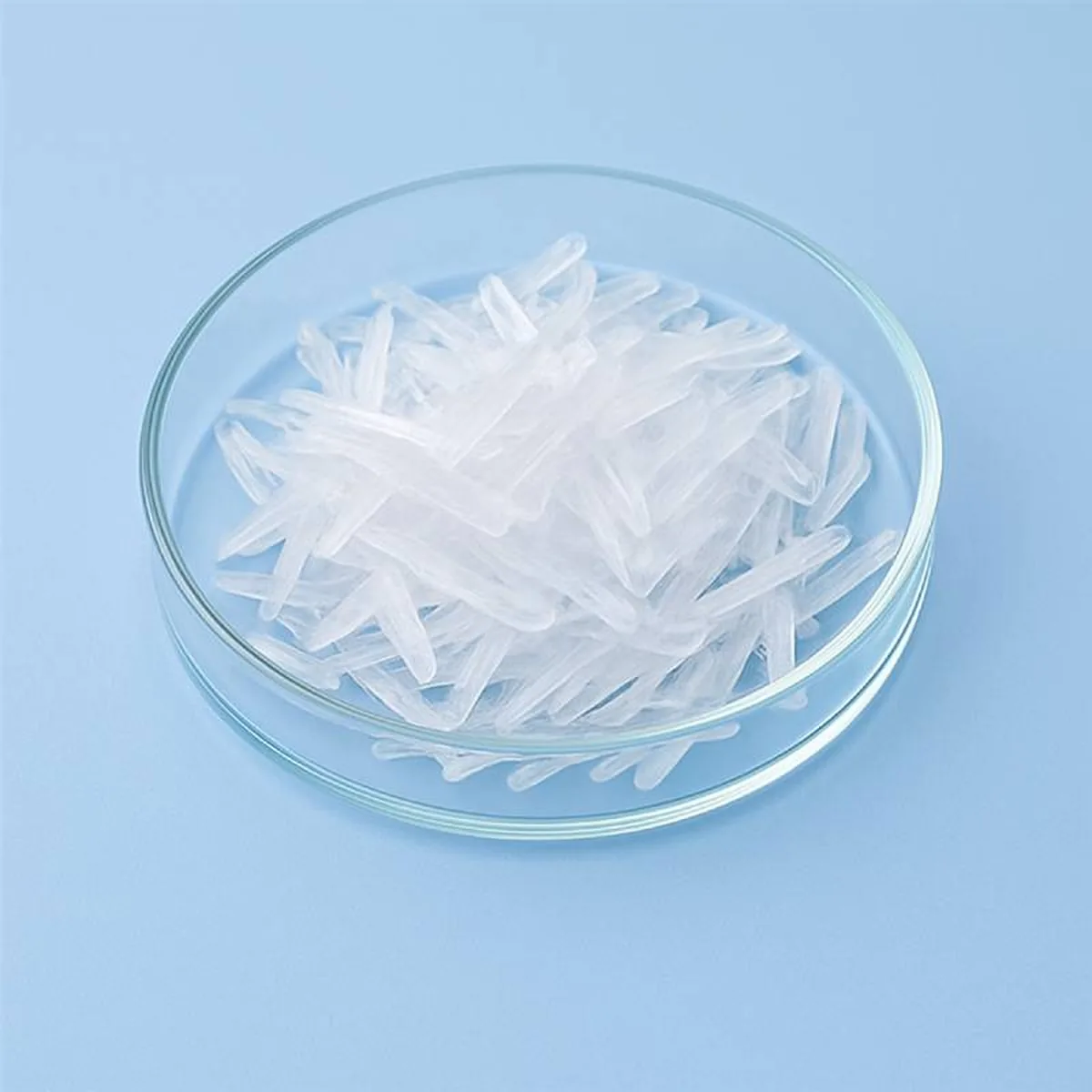
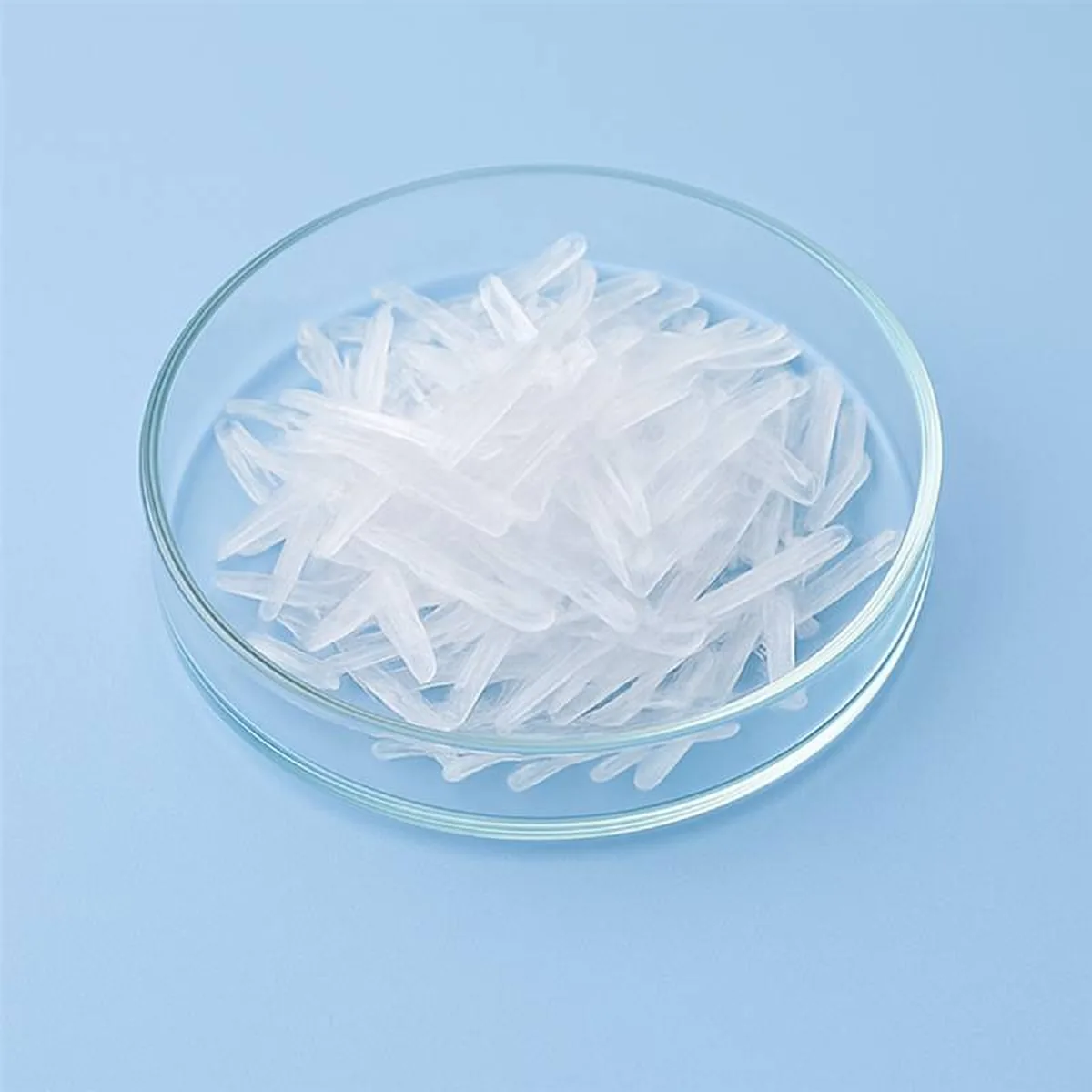
Appearancecrystalline powder
pH3-9
Description
Menthyl Lactate at a glance
IO Menthyl Lactate Crystals, more commonly written as menthyl lactate, is a crystalline powder. It dissolves in oils, alcohol, water-alcohol mixtures and glycols and only slightly in water. The card gives a wide working pH range of 3 to 9. Chemically, it is an ester of menthol and lactic acid. Confirm purity on the supplier CoA.
A gentler cooling agent
Menthol gives an intense chill and a strong minty smell, which can be too much for the face or for unscented products. Menthyl lactate offers a milder, longer-lasting cooling sensation with almost no odor. That makes it easier to use in face care, lip products and fragrance-free ranges, where menthol would dominate.
Product formats
After-sun gels
Cooling gels for skin after sun exposure.
Foot and leg care
Refreshing creams and gels for tired feet and legs.
Lip products
Lip plumpers and balms with a cool tingle.
Scalp care
Shampoos and tonics with a fresh scalp feel.
Shaving products
After-shave balms and shaving gels.
Processing
Dissolve the crystals in the oil phase, in a glycol such as propylene glycol or in ethanol before adding them to the formula. In water-based gels, use a solubilizer or a glycol premix. It works across a wide pH range, so it fits into most products. Add it at cool-down to keep the cooling effect strong.
Good partners
Menthol crystals give a stronger, faster chill. Caffeine supports leg and eye products, and aloe-based gels carry a soothing feel. Browse more in the actives catalog.
Testing
A sensory panel can rate the intensity and duration of the cooling feel. Check that no crystals form in the fridge.
Claims
Long-lasting cooling sensation; refreshing feel; skin feels fresh and comfortable.
Characteristics
Form: crystalline powder. Solubility: oils, alcohol, water-alcohol mixtures, glycols; slightly in water. PH range: 3 to 9. Chemistry: ester of menthol and lactic acid. Grade: supplier CoA.
Original recipe: cooling after-sun gel, 100 g
Distilled water 82.00 g, aloe vera juice 5.00 g, glycerin 3.00 g, propylene glycol 4.00 g, menthyl lactate 0.50 g, polysorbate 20 1.00 g, hydroxyethylcellulose 1.20 g, panthenol 2.00 g, phenoxyethanol and ethylhexylglycerin 1.00 g, citric acid 0.30 g. Dissolve menthyl lactate in propylene glycol with polysorbate, prepare the gel with water, cellulose, aloe and glycerin, combine, then add panthenol and the preservative and adjust the pH.
Balancing cooling strength
Cooling agents are perceived differently by each person. Start low and raise the level step by step, testing on several people. Combine menthyl lactate with a little menthol for a quick start and a long finish.
Eye area caution
Even mild cooling agents can sting near the eyes. Keep them out of eye products or use very low levels and test carefully.
Range ideas
An after-sun gel, a foot cream and a lip plumper can share menthyl lactate and a fresh, cooling theme.
Lot records
Keep each CoA with the batch file and note the lot used.
Lip plumpers
Lip products with cooling and tingling agents give a fresh feel that many users associate with fuller-looking lips. Menthyl lactate adds the cool sensation without the strong mint taste of menthol, which keeps the product pleasant. Combine it with a glossy base and hyaluronic acid filling spheres for a fuller look.
Foot care
Tired feet after a long day respond well to a cool, light cream. Menthyl lactate gives a lasting freshness without a strong smell, which suits users who dislike mint scents.
Record the lot number in your batch log so every production run can be traced back to its certificate of analysis. Retain a small sample of each lot for at least the shelf life of the finished product, since it makes later quality questions much easier to answer.
Storage
Store closed in a cool, dry place. Close the container after use.
Product Specifications
Solubilityoils, alcohol, water-alcohol mixtures, glycols, slightly soluble in water
StorageStore tightly closed in a cool, dry place away from light and heat. Respect the shelf life on the CoA.
TDS / CoA available on request. Contact us
Frequently Asked Questions
How is menthyl lactate different from menthol?
It cools more gently, lasts longer and has almost no minty odor.
What does it dissolve in?
Oils, alcohol, water-alcohol mixtures and glycols; only slightly in water.
What pH range suits it?
The card gives pH 3 to 9.