
SKU: VV21040203
Matipure oil free complex
$9.99In stock
INCI: Magnesium Aluminum Silicate (and) Hydroxyethylcellulose (and) Phospholipids
Usage Rate: 1-5% of the finished formula
Packaging
Powder sizes (metric · US)
Ships from FloridaSecure checkoutUsually ships in 1–2 business daysFree US shipping on $50+
Applicationcreams, serums, lotions, hair cosmetics, mineral cosmetics
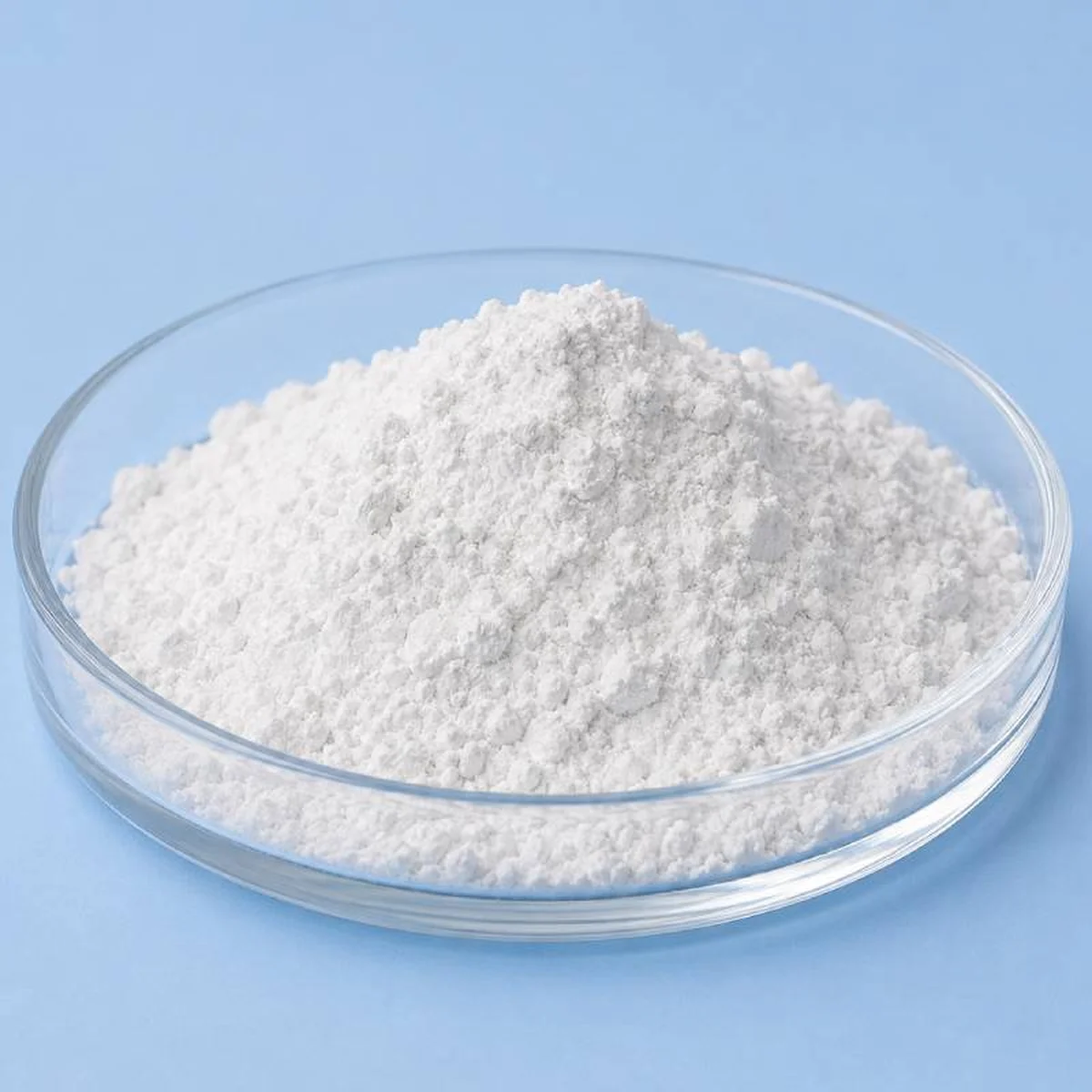
Appearancepowder
pH5.0-7.0
Description
Matipure Oil Free at a glance
Matipure Oil Free is a white, mineral based powder from France. Its INCI is Magnesium Aluminum Silicate (and) Hydroxyethylcellulose (and) Phospholipids. The supplier describes a patented, biocompatible complex of porous microparticles with a high adsorbing capacity. It disperses in water, works at pH 5.0 to 7.0 and is used at 1 to 5% of the finished product. Creams, serums, lotions, hair cosmetics and mineral cosmetics are its listed uses.
How the particles work
Each particle is a porous structure. Magnesium aluminum silicate is a natural clay mineral with a layered, absorbent structure. Hydroxyethylcellulose is a plant derived cellulose polymer, and phospholipids are skin friendly lipids also known from lecithin. Together they build microparticles that take up excess sebum from the skin surface. The result is a fresh, matte look that lasts, which is why the name speaks of an oil free complex.
Texture benefits
Beyond mattifying, Matipure Oil Free changes the skin feel of a formula. Creams lose their greasy after feel and dry down to a soft, velvety finish. In serums it gives a light, powdery touch. Because the silicate also builds structure in water, it adds a little body and stability to emulsions.
Formulating
Disperse Matipure Oil Free in the water phase with good stirring before you add other thickeners, and let it hydrate fully. It can be heated with the water phase in hot process emulsions. Keep the final pH between 5.0 and 7.0. A mattifying fluid for oily skin can combine it with niacinamide for a refined look and with zinc based actives such as zinc glycinate. More texture and skin care actives are in the cosmetic actives section.
Dosing
Light serums and lotions use 1 to 2%. Mattifying day creams and primers use 3%. Strong mattifying concepts, mineral makeup and powders use up to 5%.
Sample recipe: mattifying day fluid, 100 g
Distilled water 76.20 g, glycerin 3.00 g, Matipure Oil Free 3.00 g, glyceryl stearate citrate 3.00 g, cetearyl alcohol 1.50 g, coco caprylate 6.00 g, niacinamide 3.00 g, xanthan gum 0.20 g, panthenol 1.00 g, preservative 1.00 g, fragrance 0.20 g, citric acid solution 1.90 g. Disperse Matipure Oil Free in the water with glycerin and xanthan gum, heat water and oil phases to 75 °C, emulsify, cool, add niacinamide, panthenol, preservative and fragrance, and adjust to about pH 6.
Primers and makeup
The supplier names mineral cosmetics. In primers, tinted fluids and foundations the porous particles help keep a matte, even surface through the day. In loose and pressed mineral powders the complex adds an adsorbing, skin friendly component next to the mineral pigments.
Hair cosmetics
Hair cosmetics are also on the supplier list. Scalp lotions and light conditioners for oily roots can use Matipure Oil Free to give a fresher, less heavy feel. Dry shampoo concepts are a natural fit for an adsorbing powder as well.
Oily and combination skin
People with oily and combination skin often reject rich textures. A formula with Matipure Oil Free stays light and controls shine, so it suits gel creams, fluids and lotions for the T zone and for warm, humid seasons.
Stability tips
Silicate based particles prefer a stable pH. Outside 5.0 to 7.0 the texture can change, so measure the pH after every addition. Electrolytes in high amounts may thin the system, so add salts and strong acids carefully and test the viscosity over several weeks.
Claims
Typical cosmetic claims are a matte, shine free look, a velvety finish and a fresh, light skin feel. Test the mattifying effect on volunteers with oily skin over several hours.
Storage
Store in a dry, cool room in a tightly closed pack, away from light. A certificate of analysis comes with every lot.
Product Specifications
INCIMagnesium Aluminum Silicate (and) Hydroxyethylcellulose (and) Phospholipids
Usage Rate1-5% of the finished formula
SolubilityWater-dispersible
StorageStore tightly closed in a cool, dry place away from light and heat. Respect the shelf life on the CoA.
TDS / CoA available on request. Contact us
Frequently Asked Questions
What is the INCI?
Magnesium Aluminum Silicate (and) Hydroxyethylcellulose (and) Phospholipids.
How much should I use?
1 to 5% of the finished product.
Which pH works?
pH 5.0 to 7.0.
Can I use it in mineral makeup?
Yes. The supplier lists mineral cosmetics among its uses.


