SKU: VG17052115
LPA
$9.99In stock
INCI: Lysophosphatidic Acid, Lecithin, Lysolecithin
Usage Rate: 0.1-1%, typically 0.2%
Packaging
Powder sizes (metric · US)
Ships from FloridaSecure checkoutUsually ships in 1–2 business daysFree US shipping on $50+
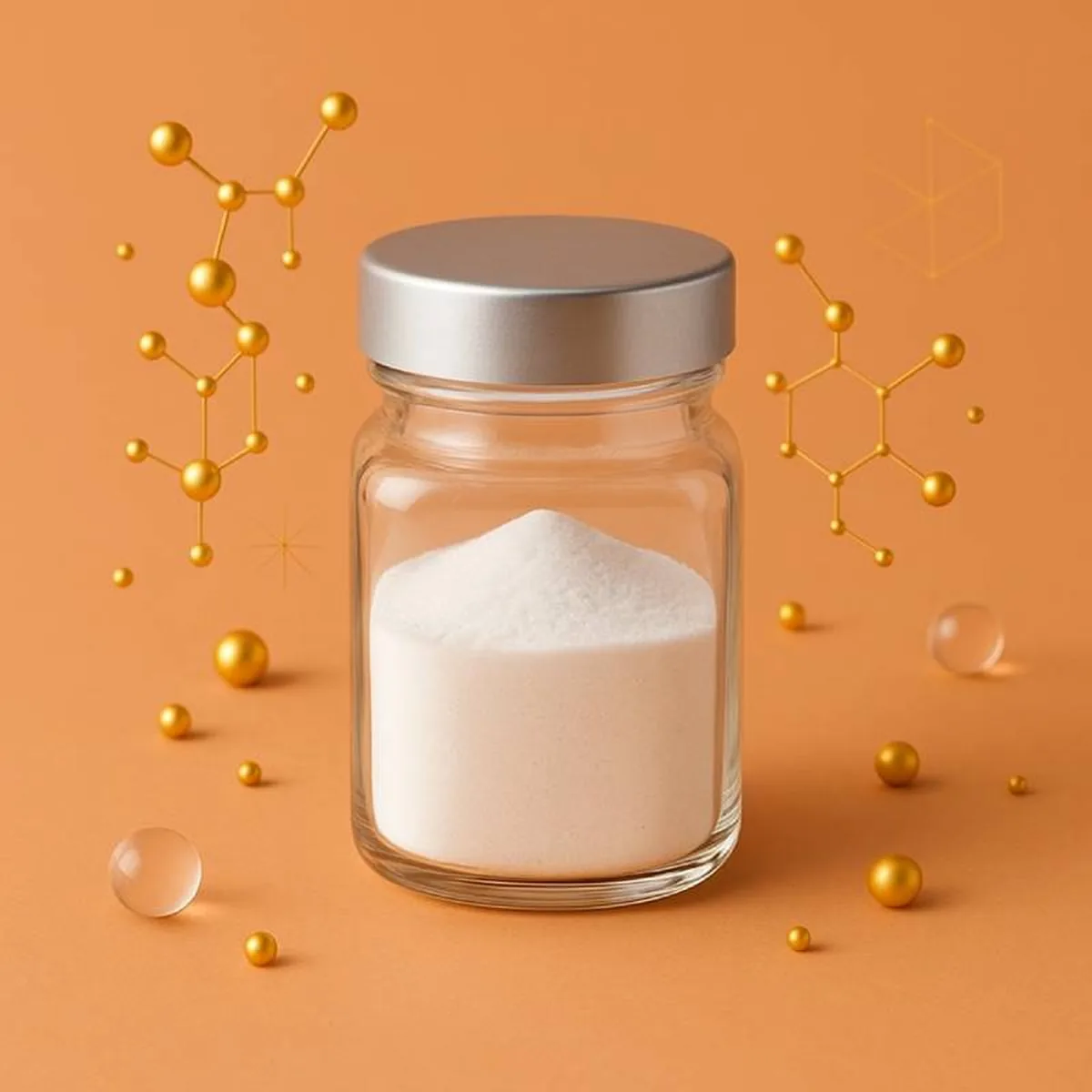
Appearancepowder
pH3.8-7
Description
LPA in brief
LPA stands for lysophosphatidic acid, a small phospholipid that occurs naturally in the body and in plant lecithin. The cosmetic grade sold here is a white powder with a faint yellow tint, made in Japan, with the INCI Lysophosphatidic Acid, Lecithin, Lysolecithin. The supplier specifies 20 to 30% lysophosphatidic acid, 30 to 40% lecithin and 20 to 30% lysolecithin. It is a low dose ingredient: the range is 0.1 to 1% and the usual level is 0.2%.
What makes LPA different
Most phospholipids in cosmetics are used as emulsifiers or liposome builders. LPA is used for what it signals. It is a messenger lipid, and in cosmetic science it is linked to the appearance of the scalp, to the look and feel of hair and to smooth, supple skin. The lecithin and lysolecithin in the blend help it disperse and give a soft, conditioning touch of their own. Because the dose is so small, LPA fits into an existing formula without changing its texture.
Solubility and processing
Water, not oil
LPA dissolves in water and mixes well with glycerin. It does not dissolve in alcohols, oils or polyols such as propanediol or butylene glycol. Sprinkle the powder into water under stirring, or predisperse it in glycerin first if you want faster wetting.
Heat stability
Unlike many actives, LPA withstands long heating at 70 to 80 °C. It can be added to the hot water phase of an emulsion before homogenization, which makes dosing simple in large batches. The working pH range is wide, from 3.8 to 7.
Applications
The best known use is scalp care: tonics, leave-on scalp serums and conditioning shampoos that aim at a healthy looking scalp and thicker looking hair. In skin care LPA appears in serums and creams that focus on smoothness and comfort. Scalp formulas often build around caffeine and biotin, and LPA adds a lipid signal to that classic pair. For further ideas, browse the cosmetic actives section, where hair and skin actives are grouped by use.
Sample recipe: LPA scalp tonic, 100 g
Distilled water 91.30 g, glycerin 3.00 g, LPA 0.20 g, panthenol 1.00 g, niacinamide 2.00 g, solubilizer 1.00 g, preservative 1.00 g, citric acid solution 0.50 g. Disperse LPA in glycerin, add it to the water with panthenol and niacinamide, stir until clear, add the solubilizer and preservative and adjust to about pH 5.5.
Working tips
Weigh LPA with a precise balance, because a dose of 0.2% means only a few grams per kilogram. A clear tonic stays clear at this level. In emulsions, the powder can go into the hot water at the start. Avoid formulating it into anhydrous oil products, where it cannot dissolve.
Why such a low dose
LPA is a signaling lipid rather than a bulk conditioner, and that explains the small numbers. At 0.2% the ingredient is present in a quantity that matches its role, while higher levels up to 1% are kept for concentrated scalp serums or ampoules. Going above the range does not make a product better and only raises cost. For a clear story on the pack, name the ingredient as lysophosphatidic acid and keep the claims cosmetic: a healthy looking scalp, fuller looking hair, smoother and more comfortable skin.
Combining LPA with other ingredients
The powder is compatible with most water-soluble actives, humectants and mild surfactants. Its tolerance for heat and its wide pH window make it easy to place next to panthenol, niacinamide, amino acids and plant extracts. Because it does not dissolve in oils, an emulsion should carry LPA in the water phase, and an oil-based scalp product is not the right vehicle. Hydroalcoholic tonics with a high alcohol content are also unsuitable, so keep the alcohol low or use glycerin and water as the base. A quick jar test with your preservative system confirms compatibility before scale-up.
Documents and quality
Each lot comes with a certificate of analysis that lists appearance, composition and microbiological data. Use those values for your product information file.
Storage
Store dry and dark in a tightly closed container. The powder takes up moisture from the air, so close the pack quickly after weighing.
Product Specifications
INCILysophosphatidic Acid, Lecithin, Lysolecithin
Usage Rate0.1-1%, typically 0.2%
SolubilityWater; mixes up with glycerin. Insoluble in alcohols, oils and polyols. Weigh the powder and dissolve or disperse it as the supplier CoA directs.
StorageStore tightly closed in a cool, dry place away from light and heat. Refrigerate opened material where practical; respect supplier shelf life.
TDS / CoA available on request. Contact us
Frequently Asked Questions
What is the INCI of LPA?
Lysophosphatidic Acid, Lecithin, Lysolecithin. The supplier gives 20 to 30% lysophosphatidic acid, 30 to 40% lecithin and 20 to 30% lysolecithin.
How much LPA do I need?
The range is 0.1 to 1%. Most formulas use about 0.2%.
Can I heat it?
Yes. LPA withstands long heating at 70 to 80 °C, so it can go into the hot water phase.
Will it dissolve in an oil serum?
No. It dissolves in water and mixes with glycerin, but not with oils, alcohols or polyols.