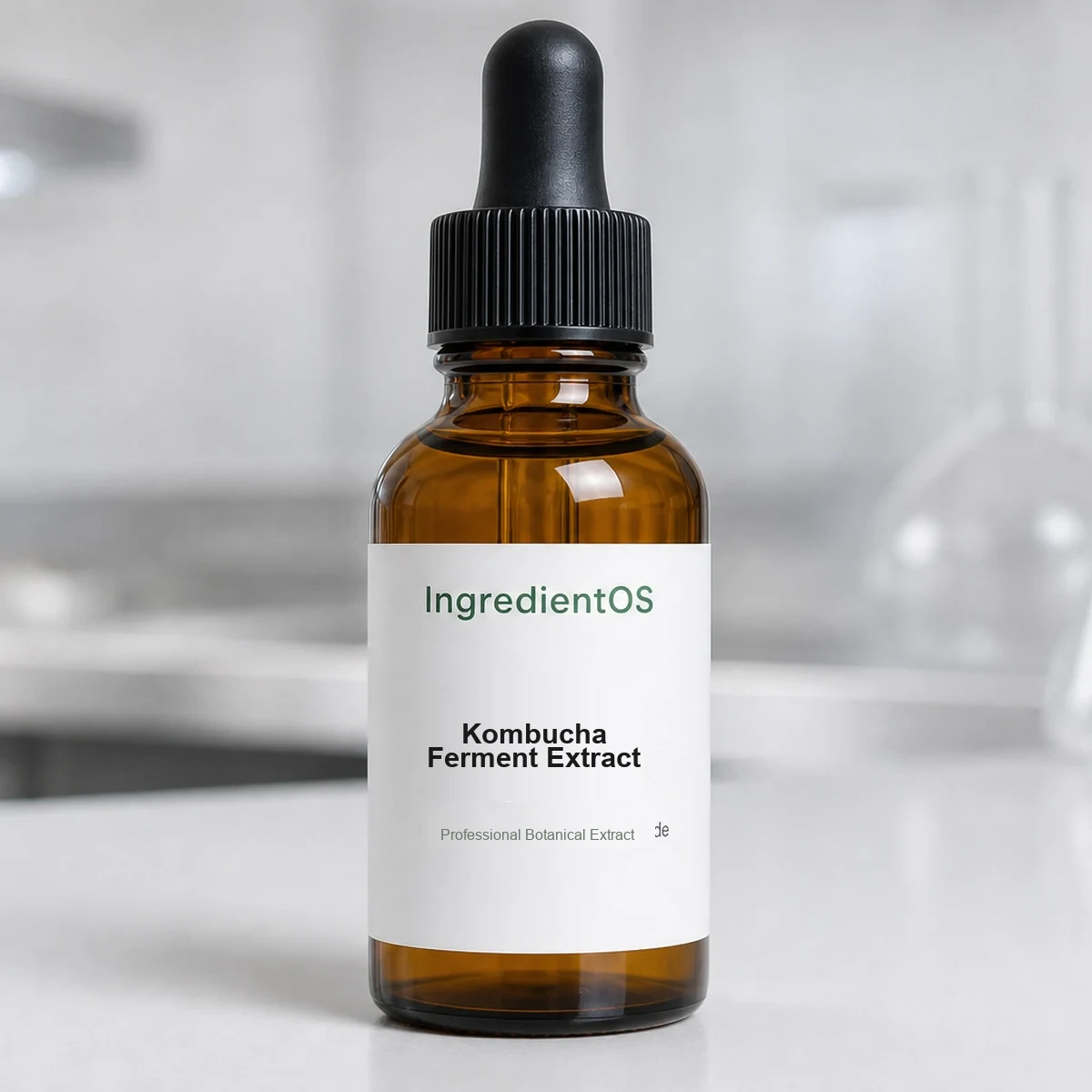
SKU: VV26040809
Kombucha Ferment Extract
$15.99In stock
Usage Rate: Typical: use the supplied liquid active concentrate at supplier-recommended levels in leave-on formulas, delivering approximately 0.1–0.5% pure active in the finished product (1000–5000 ppm).
Packaging
Liquid sizes — 0.33 oz (10 mL) sample through bulk (US · metric)
Ships from FloridaSecure checkoutUsually ships in 1–2 business daysFree US shipping on $35+
ApplicationApplications in various fields Skin care Toners and essences Facial serums Creams and emulsions Products for combination and dull skin Hair care Scalp toners Shampoos and conditioners Hair serums Professional cosmetology Fermented concentrates Salon care products Hardware programs SPA and wellness industry Intensive care programs Fermented complexes Dermatological developments Skin maintenance products Formulas for sensitive skin Household chemicals and cleaning segment Added to mild cleansers
AppearanceLiquid active concentrate
pH3.5–5.5
Description
Kombucha Ferment Extract at a glance
Kombucha Ferment Extract is a liquid concentrate made from fermented sweet tea. Kombucha is produced by a living culture of yeasts and bacteria that turns sugar and tea into a lightly acidic drink rich in organic acids, polyphenols and small fermentation molecules. The cosmetic extract carries that profile into water-based formulas. It dissolves in water, the supplier lists a pH of 3.5 to 5.5, and it is added during cool-down. Confirm the full INCI and dose on the certificate of analysis.
Why ferments are popular
Fermented ingredients became a strong trend through Korean and Japanese skin care. Consumers link ferments with gentle renewal, freshness and a healthy glow. Fermentation breaks larger molecules into smaller ones and creates new compounds, which gives the extract a different profile from a plain tea extract. Kombucha is also familiar from cafes and supermarkets, so the name is easy to communicate on a label.
Formats
Toners and essences
Watery essences are the classic home for ferments. The extract gives a light, refreshing step after cleansing.
Serums and creams
Brightening and glow serums for dull skin, and light emulsions for combination skin.
Scalp care
Scalp toners, shampoos and conditioners can use the fresh, balancing story for oily-looking roots.
Salon and spa programs
Professional ferment concentrates and spa care rituals.
How to use it
Add the extract to the water phase below 40 °C and mix until uniform. Because the material is mildly acidic, check the pH of the finished product and adjust it with a buffer. Choose a preservative that works well in the lower pH range. Avoid long heating steps.
Partners
Ferments work well with humectants and soft brighteners. Galactomyces ferment filtrate builds a double-ferment essence, and high molecular weight hyaluronic acid adds a smooth moisture film. More plant materials are listed among the botanical extracts.
Characteristics
Origin: fermented sweet tea. Form: liquid concentrate. Solubility: water. Supplier pH: 3.5 to 5.5. Phase: water, cool-down. Listed uses: toners, essences, serums, creams, products for dull and combination skin, scalp toners, shampoos, conditioners, hair serums, salon and spa care. Full INCI and dose: stated on the CoA supplied with each lot.
Glow ferment essence recipe, 100 g
Distilled water 84.30 g, Kombucha Ferment Extract 5.00 g, glycerin 4.00 g, butylene glycol 3.00 g, panthenol 1.00 g, sodium hyaluronate 0.10 g, xanthan gum 0.20 g, allantoin 0.20 g, sodium benzoate and potassium sorbate blend 1.00 g, citric acid solution 0.20 g, polyglyceryl-4 caprate 1.00 g. Disperse the gum in glycerin, add it to water, dissolve hyaluronate, panthenol and allantoin, then add butylene glycol, the extract and the preservative below 40 °C and adjust the pH to about 5.0.
Communicating the ferment
Shoppers respond to simple wording: fermented tea, glow, freshness and a smoother-looking surface. Explain that the extract is made from a real ferment and show the tea leaves or a fermentation jar on the pack. Avoid wording about probiotics or living bacteria unless the supplier confirms it, because the extract is a processed ingredient.
Dose guidance
Follow the technical sheet. Essences and toners typically use moderate levels, and serums can use the upper end of the recommended range.
Testing
Corneometer readings and standardized photos for radiance over four weeks support glow and moisture wording. Check color and odor stability, because natural ferments can change slightly over time.
Storage
Store tightly closed in a cool, dark place. Keep the container clean and close it right after use.
Product Specifications
Usage RateTypical: use the supplied liquid active concentrate at supplier-recommended levels in leave-on formulas, delivering approximately 0.1–0.5% pure active in the finished product (1000–5000 ppm).
SolubilityWater-soluble liquid active concentrate. Add directly to the water phase during cool-down; avoid prolonged high heat.
StorageStore tightly closed in a cool, dry place away from light and heat. Refrigerate opened material where practical; respect supplier shelf life.
TDS / CoA available on request. Contact us
Frequently Asked Questions
What is kombucha?
A fermented tea drink made with a culture of yeasts and bacteria. The extract brings that ferment into cosmetics.
Which phase does it go into?
The water phase, during cool-down, without long exposure to heat.
Which products is it used in?
Toners, essences, serums, creams, products for dull and combination skin, scalp toners, shampoos and hair serums.