
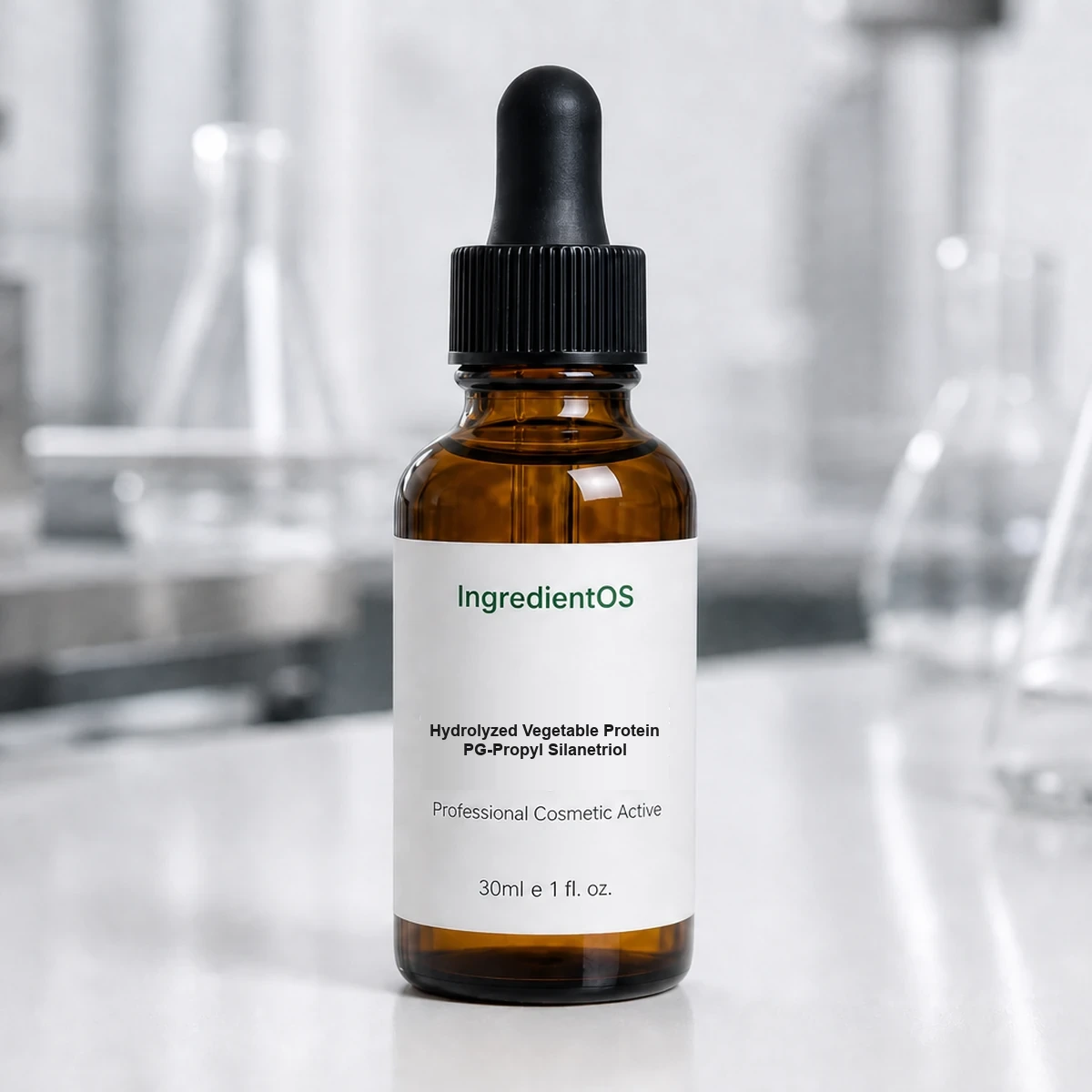
SKU: VV26020302
Hydrolyzed Vegetable Protein PG-Propyl Silanetriol
$15.99In stock
Usage Rate: Typical: use the supplied liquid active concentrate at supplier-recommended levels in leave-on formulas, delivering approximately 0.1–0.5% pure active in the finished product (1000–5000 ppm).
Packaging
Liquid sizes — 0.33 oz (10 mL) sample through bulk (US · metric)
Ships from FloridaSecure checkoutUsually ships in 1–2 business daysFree US shipping on $50+
ApplicationApplications in various fields: hair cosmetics, shampoos, conditioners, masks, serums, sprays professional salon hair restoration care products heat protection products products against breakage and split ends eyelash and eyebrow strengthening products scalp care dermatocosmetics for weakened hair professional care systems for colored hair leave-in care sprays anti-thinning-looking hair complexes
AppearanceLiquid active concentrate
pH4.5–6.5
Description
Hydrolyzed vegetable protein PG-propyl silanetriol in short
Hydrolyzed Vegetable Protein PG-Propyl Silanetriol is a liquid hair care ingredient. Hydrolyzed plant protein is linked to a silanetriol group. It dissolves in water and works between pH 4.5 and 6.5. The supplier specification lists hair cosmetics, shampoos, conditioners, masks, serums, sprays and professional salon care. Confirm the plant source and active content on the certificate of analysis.
A vegan film-forming protein
Plant protein hydrolysates from wheat, soy, rice or other plants condition hair but wash out easily. The silanetriol link changes that. As the hair dries, silanetriol groups can condense into a light, flexible network that holds the protein on the hair. The result is a longer-lasting strengthening and smoothing effect. Because the protein is plant-derived, it suits vegan hair ranges, where keratin is not an option.
Formats
Shampoos and conditioners
Rinse-off products leave enough of the ingredient for a stronger, smoother feel.
Masks
Masks with longer contact time give the most intensive result.
Serums and sprays
Leave-on serums and sprays keep the protein on the hair all day.
Salon care
Professional appearance support services use film-forming proteins in multi-step services.
How to use it
Add the ingredient to the water phase at cool-down and stir until uniform. Keep the final pH between 4.5 and 6.5. In conditioners, add it after cooling. Follow the dose in the technical sheet.
Partners
Vegan hair ranges combine plant proteins with plant lipids and humectants. Vegetamide 18MEA-NJ adds a plant lipid for the hair surface, and the keratin version of this chemistry serves non-vegan ranges. More hydrolysate ingredients are in the hydrolysates catalog.
Characteristics
Chemistry: hydrolyzed vegetable protein linked to PG-propyl silanetriol. Form: liquid. Solubility: water. PH: 4.5 to 6.5. Listed uses: hair cosmetics, shampoos, conditioners, masks, serums, sprays, salon care. Plant source and dose: stated on the CoA supplied with each lot.
Vegan appearance support mask recipe, 100 g
Distilled water 80.40 g, cetearyl alcohol 6.00 g, behentrimonium chloride 2.50 g, hydrolyzed vegetable protein PG-propyl silanetriol 3.00 g, shea butter 2.00 g, glycerin 3.00 g, panthenol 1.00 g, phenoxyethanol and ethylhexylglycerin 1.00 g, fragrance 0.40 g, lactic acid solution 0.70 g. Melt the fatty alcohol, quat and shea at 75 °C, add hot water and homogenize, cool below 40 °C, then add the protein ingredient, glycerin, panthenol, preservative and fragrance and adjust the pH to about 4.5.
Allergen note
Some plant proteins, such as wheat or soy, are allergens. Check the protein source on the CoA and label it where required.
Testing
Combing force, tensile strength and breakage tests on tresses compare the treated hair with untreated and with a regular protein hydrolysate.
Dose guidance
Follow the technical sheet. Masks use more than leave-in sprays.
Why vegan hair care is growing
More consumers choose vegan products for ethical or environmental reasons. In hair care, the main challenge has been replacing keratin and other animal proteins in appearance support ranges. Plant protein film formers solve this and allow a vegan appearance support line with a credible strength story.
Fine hair tip
Film formers can weigh down very fine hair at high doses. Use moderate levels in leave-ins for fine hair and keep the higher dose for masks that are rinsed out. Thick and curly hair can take the full leave-in level, especially when it is colored.
Storage
Store tightly closed in a cool place, away from heat.
Product Specifications
Usage RateTypical: use the supplied liquid active concentrate at supplier-recommended levels in leave-on formulas, delivering approximately 0.1–0.5% pure active in the finished product (1000–5000 ppm).
SolubilityWater-soluble liquid active concentrate. Add directly to the water phase during cool-down; avoid prolonged high heat.
StorageStore tightly closed in a cool, dry place away from light and heat. Refrigerate opened material where practical; respect supplier shelf life.
TDS / CoA available on request. Contact us
Frequently Asked Questions
Is it vegan?
It is based on plant protein. Confirm the source on the CoA before making vegan claims.
What does the silanetriol part do?
It forms a light network on the hair as it dries, which makes the protein effect more durable.
What pH range works?
The supplier specification gives 4.5 to 6.5.


