SKU: VV23111510
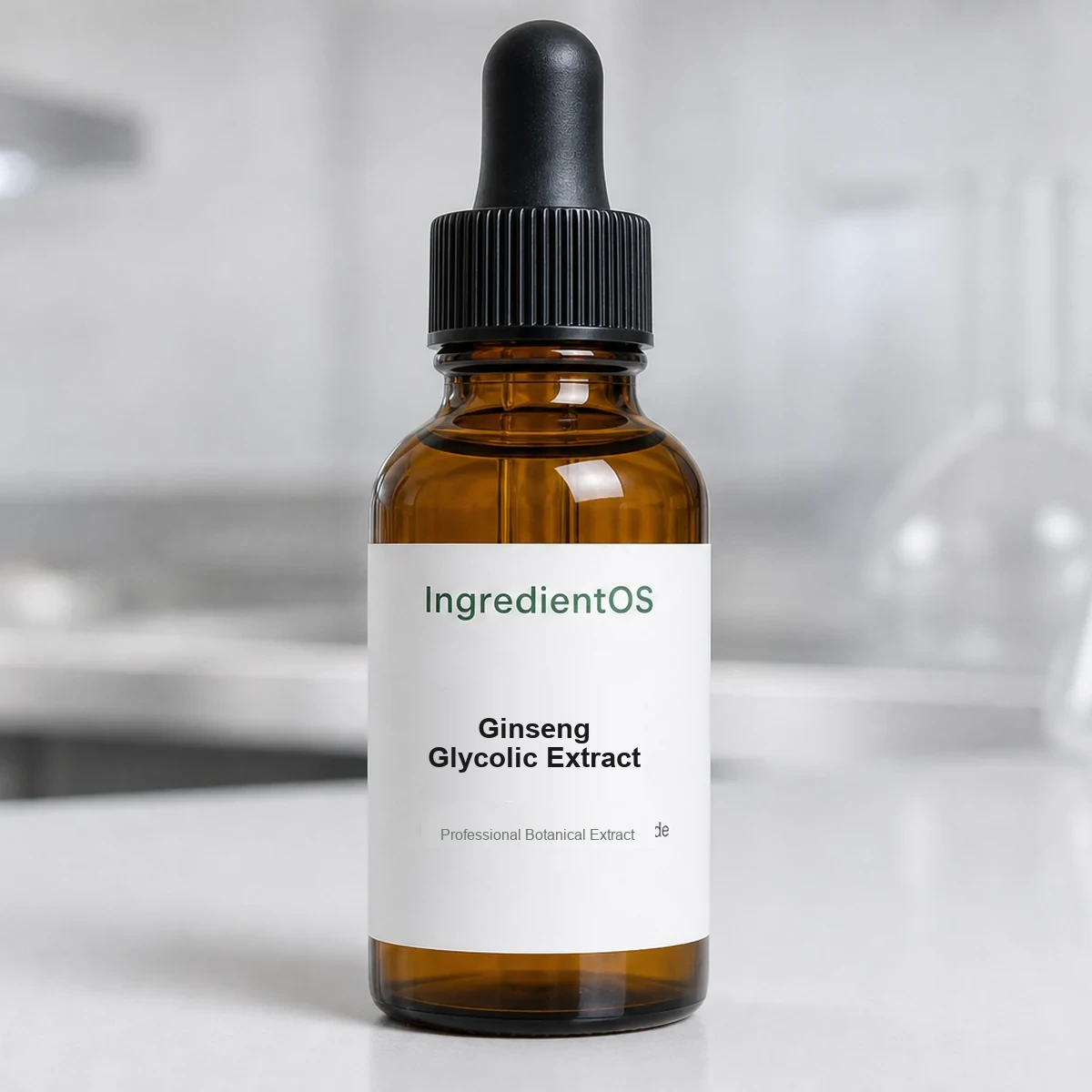
Ginseng Glycolic Extract
$15.99In stock
Usage Rate: Typical: use the supplied liquid active concentrate at supplier-recommended levels in leave-on formulas, delivering approximately 0.1–0.5% pure active in the finished product (1000–5000 ppm).
Packaging
Liquid sizes — 0.33 oz (10 mL) sample through bulk (US · metric)
Ships from FloridaSecure checkoutUsually ships in 1–2 business daysFree US shipping on $50+
Applicationcosmetics, hair products
AppearanceLiquid active concentrate
pHfrom 4.0 to 6.5
Description
Ginseng root in a ready-to-mix carrier
Ginseng Glycolic Extract brings ginseng root into a formula without any powder handling. The plant material has been extracted into a mixture of glycol and water, which leaves a fluid that blends straight into watery bases. According to the supplier specification, the extract works between pH 4.0 and 6.5 and is meant for cosmetics and hair products. Ginseng has a long history in East Asian skin care, where it is linked with a rested, fresher and more even look, and in Western catalogs it has become a familiar story ingredient for revitalizing ranges.
What a glycolic extract means in practice
A glycolic extract is not a pure isolated compound. It carries a spectrum of water and glycol soluble plant constituents, plus the carrier itself. That makes it easy to dose and pleasant to handle, but it also means that the extract ratio and the carrier type should always be checked on the lot documents. Some suppliers use propylene glycol, others butylene glycol or propanediol, and the choice matters for natural-origin claims and for the final INCI list.
Where it fits
Face care
Toners, essences, gel serums and light day creams are the natural home for a ginseng story. The extract adds a botanical note to products that promise a more awake, energized-looking complexion.
Hair and scalp
Tonics, leave-on scalp sprays and conditioners can carry the extract as part of a revitalizing hair concept. In rinse-off formats it is mostly a label and story ingredient, so leave-on products make better use of it.
Men's care
After-shave balms and lightweight face fluids for men often use ginseng as a recognizable, active-sounding botanical.
How to work with it
Add the extract to the water phase during cool-down, below 40 °C. Stir gently until the mix is uniform. Check the pH at the end and keep it inside the 4.0 to 6.5 range. In emulsions, add it after the emulsion has formed. The extract can slightly darken a clear gel, so run a small color test before scaling up.
Building a revitalizing range
Ginseng combines well with other energizing ingredients. In the botanical extracts catalog you can add green or fruit extracts for a fuller plant story. Caffeine is a common partner in eye gels and scalp tonics, and betaine adds a soft, hydrated feel to the water phase. Keep the full list short so each ingredient stays at a meaningful level.
Characteristics
Form: liquid glycolic extract. Mixes with water. Working pH: 4.0 to 6.5. Listed uses: cosmetics and hair products. Color and odor: light amber with a herbal note, as stated on the lot CoA. Plant species and extract ratio: stated on the CoA supplied with each lot.
Starter recipe: revitalizing scalp tonic, 100 g
Distilled water 84.30 g, ginseng glycolic extract 5.00 g, glycerin 3.00 g, ethanol-free solubilizer 2.00 g, panthenol 1.00 g, menthyl lactate 0.20 g, sodium benzoate and potassium sorbate blend 1.00 g, propanediol 3.00 g, citric acid solution 0.50 g. Dissolve the panthenol and glycerin in water, premix the menthyl lactate with the solubilizer and add it, then stir in the extract and preservative and adjust the pH to about 5.0.
Quality checks
Before release, record appearance, pH and odor against a retained sample of the extract. A slight color drift between harvest lots is normal for plant materials and should be noted, not corrected with dyes.
Storage
Keep the container tightly closed in a cool, dark place. Close it right after sampling to limit air contact.
Product Specifications
Usage RateTypical: use the supplied liquid active concentrate at supplier-recommended levels in leave-on formulas, delivering approximately 0.1–0.5% pure active in the finished product (1000–5000 ppm).
SolubilityWater-soluble liquid active concentrate. Add directly to the water phase during cool-down; avoid prolonged high heat.
StorageStore tightly closed in a cool, dry place away from light and heat. Refrigerate opened material where practical; respect supplier shelf life.
TDS / CoA available on request. Contact us
Frequently Asked Questions
Which glycol is used as the carrier?
Glycolic extracts are usually made with propylene glycol, butylene glycol or propanediol. Check the CoA of the lot for the exact carrier.
Will it color my formula?
Ginseng extracts are typically light amber, so a faint tint is normal in clear gels.
Can I use it in a shampoo?
Yes, the supplier specification lists hair products. Add it after the surfactants at the end of mixing.