SKU: J90109
ECOGEL
$9.99In stock
INCI: Lysolecithin, Sclerotium Gum, Xanthan Gum, Pullulan
Usage Rate: 0.3-2%: emulsion stabilizing 0.3%, gels 1%, emulsifying 1.5-2%; let the gel swell 20 minutes
Packaging
Powder sizes (metric · US)
Ships from FloridaSecure checkoutUsually ships in 1–2 business daysFree US shipping on $50+
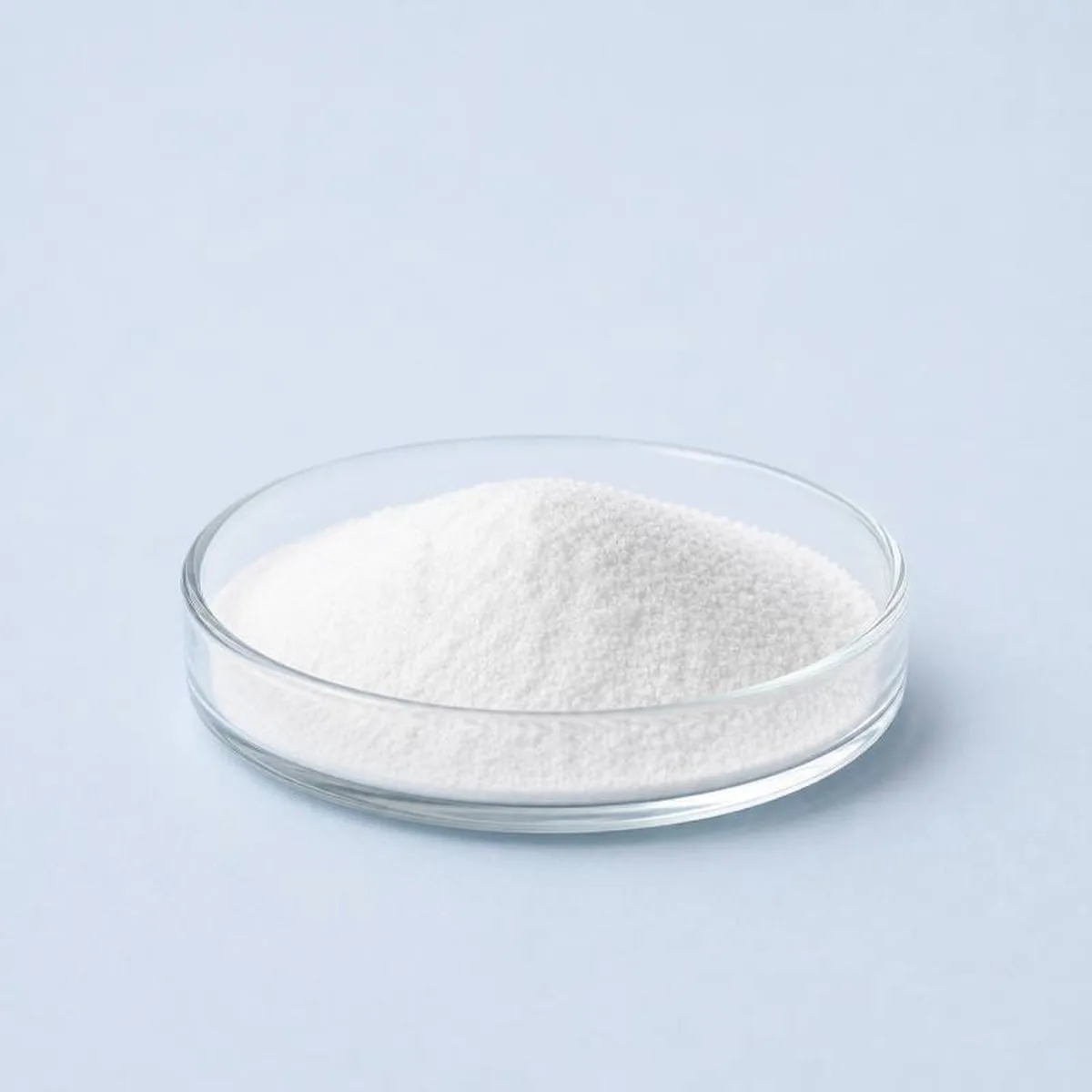
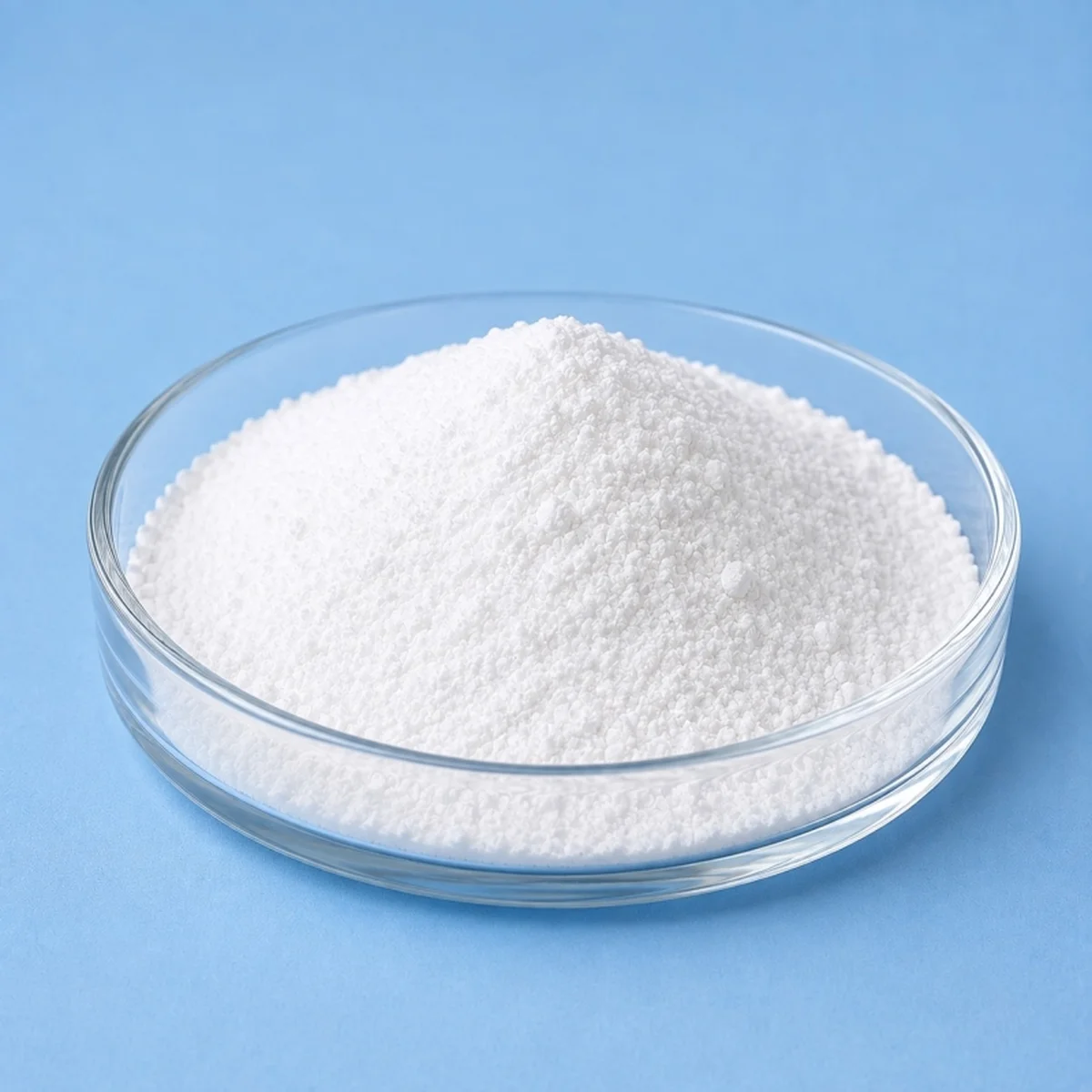
Appearancepowder
pH3 - 12
Description
ECOGEL at a glance
ECOGEL is a natural gelling and emulsifying powder from Germany. Its INCI is Lysolecithin, Sclerotium Gum, Xanthan Gum, Pullulan. It is a light beige powder with a characteristic odor that dissolves in water and works across a very broad pH range of 3 to 12. It builds oil-in-water emulsions and gels. The supplier also calls it eco gel, emulsifier and emollient.
Four natural parts
Lysolecithin
Lysolecithin is made from lecithin, a natural phospholipid from plants. Removing one fatty acid chain makes it a stronger emulsifier that can hold oil droplets in water.
Sclerotium gum and xanthan gum
Both are polysaccharides made by fermentation. Sclerotium gum gives a smooth, non sticky gel, and xanthan gum adds body and stability.
Pullulan
Pullulan is a polysaccharide made by a fungus. It forms a light film on the skin and adds a soft, smooth feel.
Three ways to use it
The supplier gives three levels. At 0.3%, ECOGEL stabilizes an emulsion made with another emulsifier. At 1%, it creates gels. At 1.5 to 2%, it acts as the emulsifier of an oil-in-water cream or lotion, without other emulsifiers. In every case, let the gel swell for 20 minutes after dispersing.
How to formulate
Gels
Sprinkle ECOGEL into the water with good stirring, or premix it with glycerin first to avoid lumps. Let it swell for 20 minutes, then stir until smooth.
Emulsions
Disperse ECOGEL in the water phase and let it swell. Add the oil phase slowly with strong stirring or homogenizing. Check the stability of each new oil phase, because oil type and amount affect the result.
pH and actives
The broad pH range of 3 to 12 allows acidic serums, neutral creams and products with alkaline ingredients. For a moisturizing gel cream, add sodium PCA and panthenol. More functional ingredients are listed in the cosmetic actives section.
Product ideas
Natural gel creams, light lotions, cold process creams, serums with a gel texture, aloe gels, hair gels and natural body lotions are the main uses.
Sample recipe: natural gel cream, 100 g
Distilled water 79.80 g, ECOGEL 2.00 g, glycerin 4.00 g, sodium PCA 1.00 g, caprylic/capric triglyceride 6.00 g, squalane 3.00 g, jojoba oil 2.00 g, panthenol 1.00 g, preservative 1.00 g, fragrance 0.20 g. Premix ECOGEL with glycerin, disperse it in the water and let it swell for 20 minutes, add the oils slowly with strong stirring, then sodium PCA, panthenol, the preservative and fragrance, and check the pH at about 5.5.
Natural label
All four parts are of natural origin, which suits natural and organic style brands. The short INCI list is easy For formulators building consumer-facing cosmetics to read.
Why a natural gelling emulsifier
Many classic emulsifiers and gelling agents are based on synthetic polymers or ethoxylated molecules. Natural brands often look for alternatives that give stable, pleasant textures with a short, clear INCI list. ECOGEL brings an emulsifier and three polysaccharide thickeners together in one powder, which simplifies both the formula and the label.
Texture
ECOGEL gives light, fresh textures with a smooth, slightly gelled feel. Gel creams made with it spread easily, absorb quickly and leave a soft, non greasy finish. Pullulan adds a light film that makes the skin feel smooth.
Gels for hair and body
At 1% ECOGEL builds a clear to slightly hazy gel that suits aloe gels, after sun gels and light hair gels. Add humectants such as glycerin for a softer feel, and add actives after the gel has fully swelled.
Caking
The supplier notes that the powder may cake slightly in storage, which does not affect its properties. Break up any lumps before weighing.
Storage
Store in a dry, cool place in a closed pack. A certificate of analysis comes with every lot.
Product Specifications
INCILysolecithin, Sclerotium Gum, Xanthan Gum, Pullulan
Usage Rate0.3-2%: emulsion stabilizing 0.3%, gels 1%, emulsifying 1.5-2%; let the gel swell 20 minutes
SolubilityWater-soluble
StorageStore tightly closed in a cool, dry place away from light and heat. Respect the shelf life on the CoA.
TDS / CoA available on request. Contact us
Frequently Asked Questions
What is the INCI of ECOGEL?
Lysolecithin, Sclerotium Gum, Xanthan Gum, Pullulan.
How much should I use?
0.3% to stabilize emulsions, 1% for gels and 1.5 to 2% to emulsify.
Which emulsion type does it make?
Oil-in-water emulsions.
What pH range does it tolerate?
A very broad range of pH 3 to 12.