SKU: TM20041609
DHA Naturelle
$9.99In stock
INCI: Dihydroxyacetone
Usage Rate: Tone evening 1-4%, self tanning sprays and emulsions 4-8%
Packaging
Powder sizes (metric · US)
Ships from FloridaSecure checkoutUsually ships in 1–2 business daysFree US shipping on $50+
Applicationemulsions of various densities (cream, cushion, milk), self-tanning gel, water spray, smoothing skin tone after injuries or sun-exposed skin, tone-evening creams
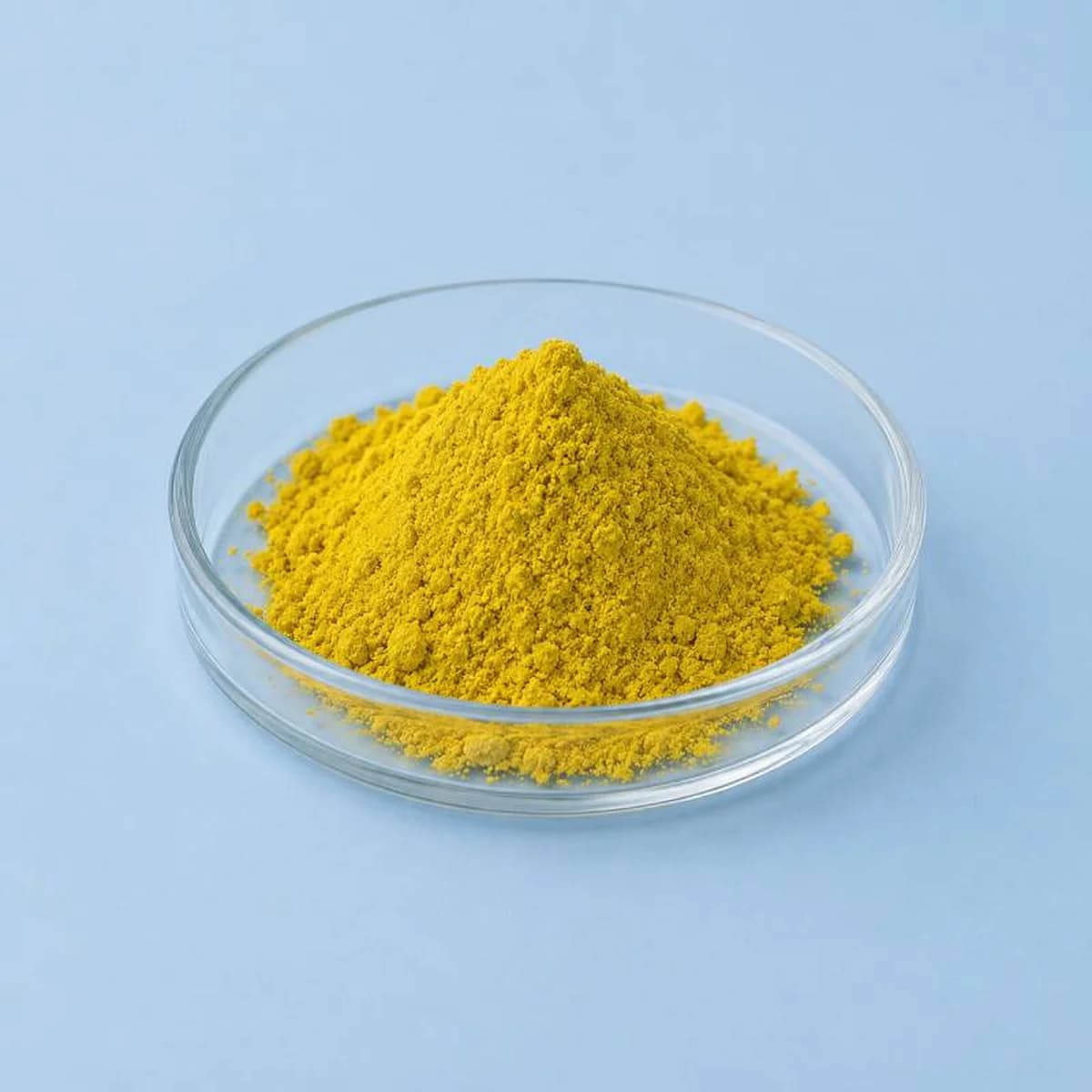
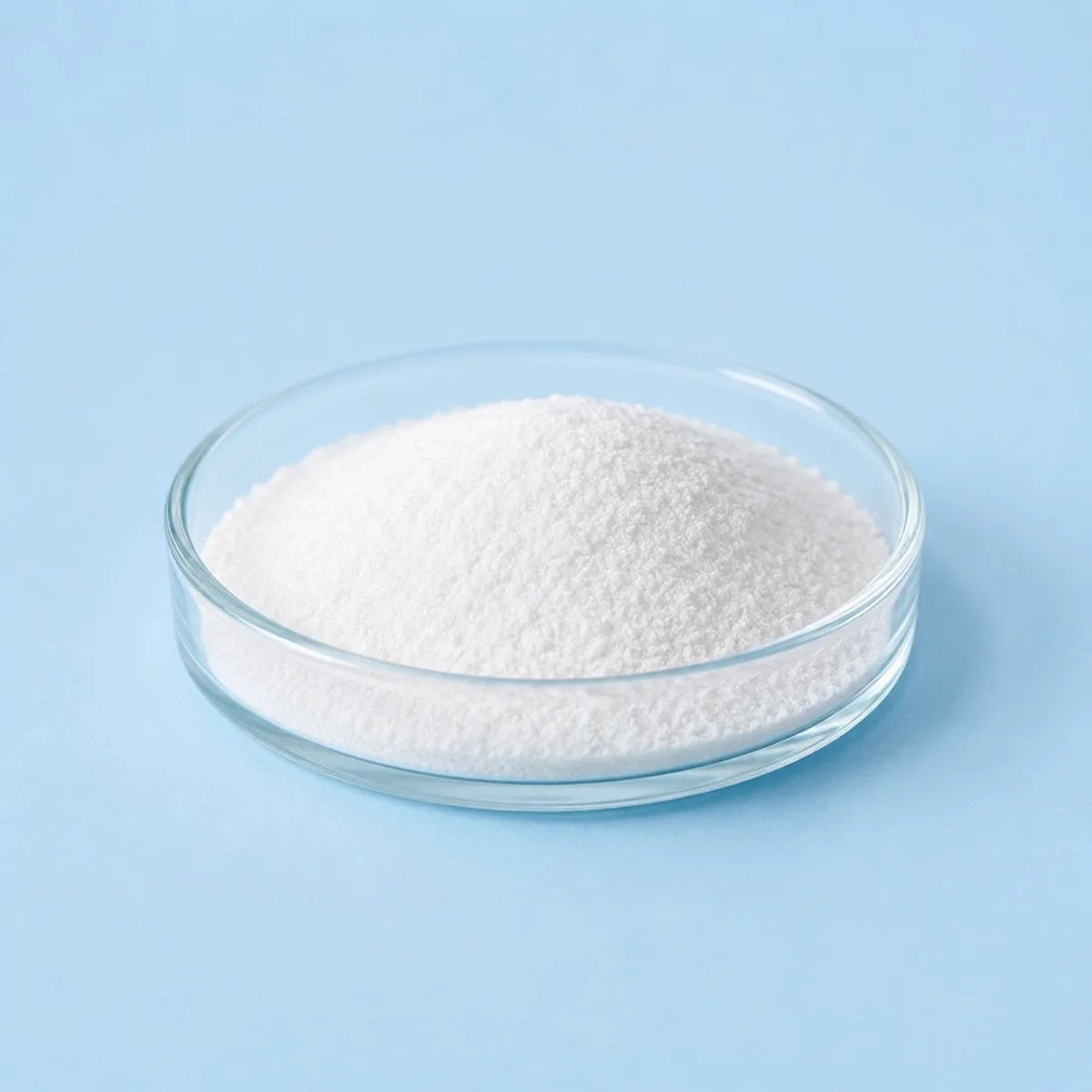
AppearanceWhite powder
pH4.5-6.0
Description
DHA Naturelle at a glance
DHA Naturelle is a self tanning active from France. It consists of 100% dihydroxyacetone, INCI Dihydroxyacetone, often shortened to DHA. It is a white powder with a slight grey tint that dissolves in water and can be dispersed in oil. The supplier gives two use levels: 1 to 4% for evening out skin tone and 4 to 8% in self tanning sprays and emulsions. The finished product should have a pH of 4.5 to 6.0.
How self tanning works
DHA is a simple sugar, the smallest member of the ketose sugar family. When it is applied to the skin, it reacts with the amino acids in the proteins of the outermost layer of the skin, the stratum corneum. This reaction, known as the Maillard reaction, is the same one that browns bread crust. It forms brown compounds called melanoidins, which give the skin the color of a tan. The color develops over two to six hours and fades within about a week as the outer cells naturally shed. Because the reaction happens only in the outermost layer, the tan is purely cosmetic.
What it does
The supplier describes a warm tan tone and a healthy glow. At low levels, 1 to 4%, DHA gives a light, gradual color that helps even out the look of the skin tone. At 4 to 8% it gives a clear self tan in sprays, gels and lotions.
How to formulate
pH
DHA is most stable at pH 4.5 to 6.0. At higher pH it breaks down and can give an orange tone. Buffer the formula and check the pH over time.
Addition point
Add the powder to the active phase of the emulsion below 40 °C. Dissolve it in a little water first.
Ingredients to avoid
DHA reacts with amino groups, so avoid amino acids, proteins, some amines and high levels of certain thickeners in the same formula. Choose nonionic emulsifiers and stable thickeners such as xanthan gum or hydroxyethylcellulose. A hydrating base with hydrolyzed sodium hyaluronate and a little aloe vera gel supports an even finish. More actives are listed in the cosmetic actives section.
Product ideas
The supplier lists emulsions of various textures such as creams, cushion products and milks, self tanning gels, water sprays, tone evening creams and creams that smooth the look of skin tone after sun exposure. Typical concepts are gradual tan day creams, face tanning drops, body tanning mousses and clear tanning sprays.
Sample recipe: gradual tan body lotion, 100 g
Distilled water 75.50 g, glycerin 3.00 g, glyceryl stearate 3.00 g, cetearyl alcohol 2.00 g, caprylic/capric triglyceride 8.00 g, xanthan gum 0.30 g, DHA Naturelle 4.00 g, panthenol 1.00 g, preservative 1.00 g, fragrance 0.20 g, citric acid solution 2.00 g. Heat water and oil phases to 75 °C, emulsify with the nonionic emulsifier and cool, dissolve DHA in a little water and add it below 40 °C with panthenol, the preservative and fragrance, and adjust to about pH 5.
Use tips
Recommend exfoliating before applying, applying evenly with a mitt, washing hands afterwards and avoiding the eyes. A self tan does not protect from the sun, so advise.
Face tanning drops
A popular modern format is a clear tanning concentrate that the user mixes into a moisturizer. Dissolve 5 to 8% DHA in a water and glycerin base with a little hyaluronic acid and adjust the pH to about 4.5. A few drops in a day cream give a light, natural color that builds over days.
Stability and packaging
DHA slowly loses activity at high temperatures and in contact with metals. Use plastic or glass packaging and avoid metal parts that touch the product. Keep the finished product cool and check the pH during stability testing.
Safety notes
Avoid contact with the eyes and do not exceed the recommended dose.
Storage
Store in a dry, dark place in a tightly closed container. A certificate of analysis comes with every lot.
Product Specifications
INCIDihydroxyacetone
Usage RateTone evening 1-4%, self tanning sprays and emulsions 4-8%
SolubilityDissolves in water; dispersible in oil
StorageStore tightly closed in a cool, dry place away from light and heat. Respect the shelf life on the CoA.
TDS / CoA available on request. Contact us
Frequently Asked Questions
What is the INCI of DHA Naturelle?
Dihydroxyacetone.
How much should I use?
1 to 4% for evening out skin tone and 4 to 8% in self tanning sprays and emulsions.
What pH does it need?
The formula should have a pH of 4.5 to 6.0.
How does it color the skin?
It reacts with the proteins in the outermost layer of the skin and forms a warm brown tone.


