SKU: TM20042007
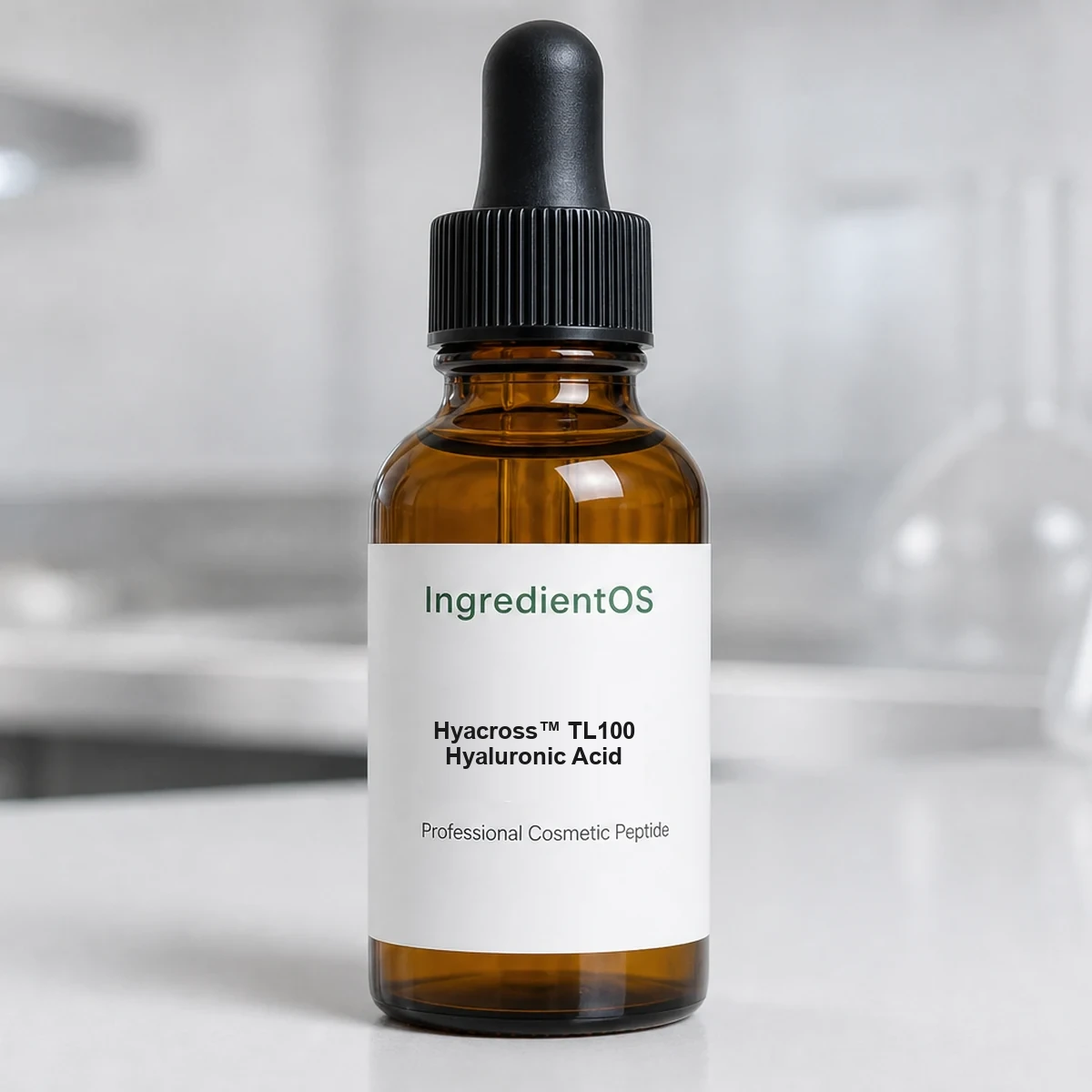
Crosslinked Hyaluronic Acid Concentrate, IO
$15.99In stock
INCI: See CoA for full INCI
Usage Rate: Typical: use the supplied peptide solution concentrate at supplier-recommended levels in leave-on serums and emulsions, delivering approximately 0.1–0.5% pure peptide in the finished formula (1000–5000 ppm).
Packaging
Liquid sizes — 10 mL sample through bulk (US · metric)
Ships from FloridaSecure checkoutUsually ships in 1–2 business daysFree US shipping on $50+
ApplicationCreams, lotions, moisturizers, serums, shampoos, hair cosmetics
AppearanceLiquid active concentrate
Description
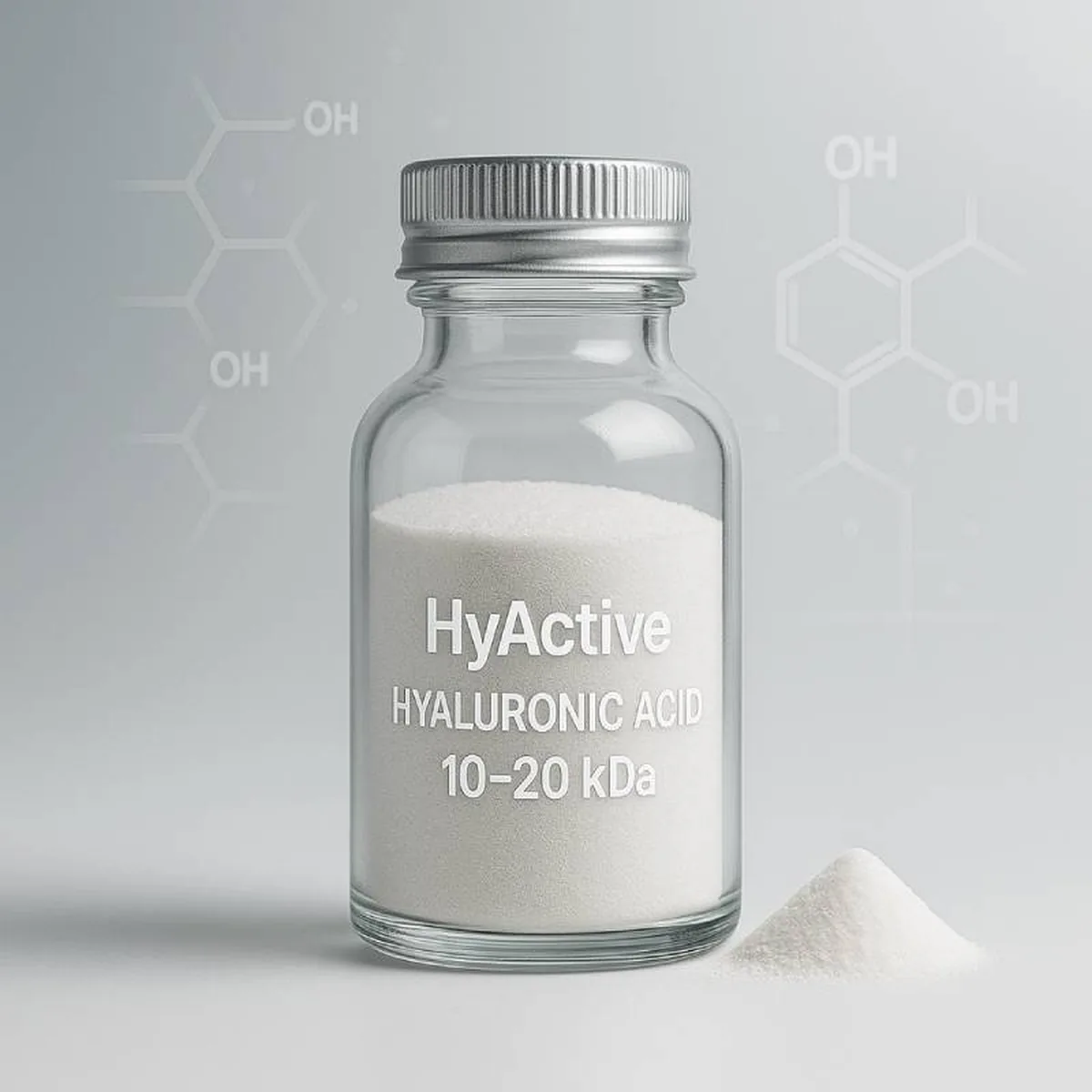
Hyaluronic acid is the most familiar hydration ingredient on the market, yet standard grades have a known limitation: their moisture feel can fade quickly once the product dries. Crosslinked Hyaluronic Acid Concentrate Hyaluronic Acid is a liquid concentrate from a family of modified hyaluronic acid grades designed to give a more lasting, film-like moisture on skin and hair.
Product overview
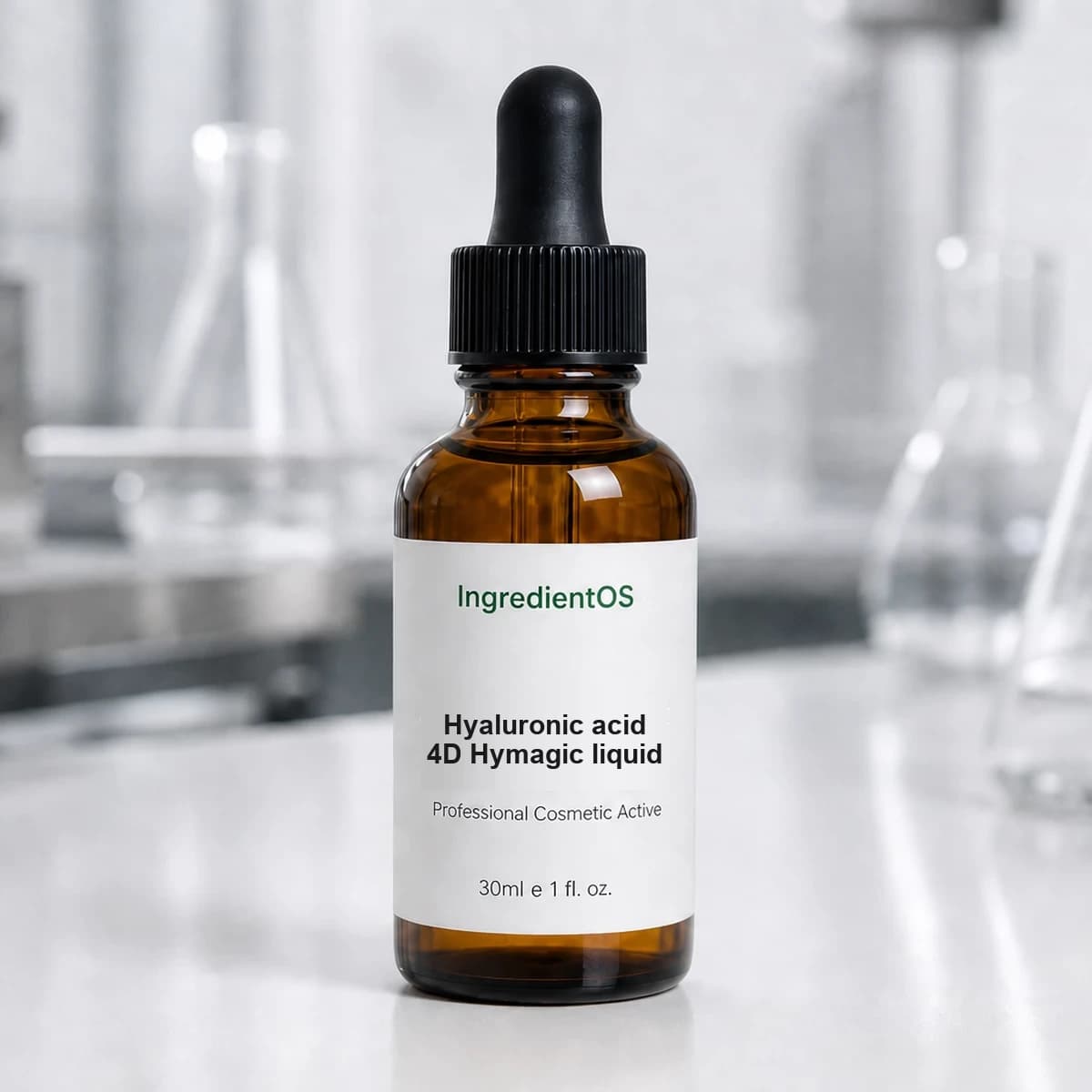
This ingredient is supplied as a water-soluble liquid concentrate. The product card lists creams, lotions, moisturizers, serums, shampoos and hair cosmetics as applications and recommends adding it to the water phase during cool-down. The exact INCI and polymer type are defined on the supplier CoA for each lot, and that document should be used for the ingredient list and claims.
Why modified hyaluronic acid
Native sodium hyaluronate binds a large amount of water and forms a smooth film, but it can feel tacky at higher levels and its effect on the surface may wear off. Modified or crosslinked grades are developed to change that balance: a more elastic film, better resistance to rinse-off or a longer-lasting smooth feel. For a brand, this gives a reason to go beyond the basic hyaluronic serum that already fills every shelf.
Skin care uses
Serums and essences
A clear serum with the concentrate and a simple humectant base is the purest showcase. It can be layered under any cream.
Creams and lotions
In emulsions the concentrate adds a smooth, cushioned feel. Combine it with a lower-weight hyaluronic such as low molecular sodium hyaluronate to build a multi-weight moisture story that covers both surface feel and depth of hydration.
Hair uses
Shampoos and hair cosmetics are on the card. In conditioners and leave-in sprays a film-forming hyaluronic contributes slip, softness and a glossier look. In shampoos it supports a gentle, non-stripping feel. Many brands choose it for curly hair lines where moisture is the central promise.
Formulating guidance
Add the concentrate to the water phase below about 40 °C and stir until fully uniform. Hyaluronic polymers can lose viscosity with strong acids, high electrolyte levels and some preservatives, so add salts last and check viscosity over time. Keep the finished pH in a skin-friendly range. More hydration and conditioning ingredients sit in our actives category, including betaine, a gentle humectant that complements hyaluronic systems.
What to tell customers
Hydration claims are easy to support with simple instrumental tests on the finished product, such as corneometer readings before and after application. Describe outcomes as plumper-looking, smoother, comfortable skin rather than structural change.
Packaging and presentation
Hydration serums sell well in clear glass droppers or airless pumps that show the texture. A modified hyaluronic acid usually gives a slightly more elastic, cushioned gel, so let customers see that texture in product photos and short videos. Mention the routine clearly: apply to slightly damp skin after cleansing, follow with moisturizer to seal in water, and finish with sunscreen in the morning. In dry indoor climates, advise using a cream on top, since humectants work best when the surrounding environment or the formula supplies enough water.
For hair products, explain the difference between a conditioning spray for daily use and a rich mask for weekly use. Both can carry the same active, which keeps the range simple and the message consistent.
Original recipe: multi-weight hydration serum, 100 g
Water 88.30 g, glycerin 3.00 g, propanediol 2.00 g, betaine 1.50 g, Crosslinked Hyaluronic Acid Concentrate 2.50 g as an example level to adjust per CoA, low molecular sodium hyaluronate 0.10 g, panthenol 1.00 g, allantoin 0.10 g, preservative 1.00 g, lactic acid solution 0.50 g. Dissolve glycerin, propanediol and betaine in water, sprinkle in the hyaluronate and stir until clear, add the remaining ingredients and adjust pH to 5.5.
Storage
Keep closed and cool, out of direct light. Use clean dispensing tools to protect the concentrate.
Product Specifications
INCISee CoA for full INCI
Usage RateTypical: use the supplied peptide solution concentrate at supplier-recommended levels in leave-on serums and emulsions, delivering approximately 0.1–0.5% pure peptide in the finished formula (1000–5000 ppm).
SolubilityWater-soluble peptide solution concentrate. Add directly to the water phase during cool-down; avoid prolonged high heat.
StorageStore tightly closed in a cool, dry place away from light and heat. Refrigerate opened material where practical; respect supplier shelf life.
TDS / CoA available on request. Contact us
Frequently Asked Questions
What is Crosslinked Hyaluronic Acid Concentrate used for?
Creams, lotions, moisturizers, serums, shampoos and hair cosmetics, according to the product card.
How is it different from regular hyaluronic acid?
This ingredient name refers to modified hyaluronic acid grades. Confirm the exact type and INCI on the CoA for your lot.
When is it added?
During cool-down, into the water phase, without prolonged heat.
Can it be used in hair products?
Yes, shampoos and hair cosmetics are listed applications.