
SKU: J90017
Zinc Oxide Pharma Netherlands
$9.99In stock
Packaging
Powder sizes (metric · US)
Ships from FloridaSecure checkoutUsually ships in 1–2 business daysFree US shipping on $50+
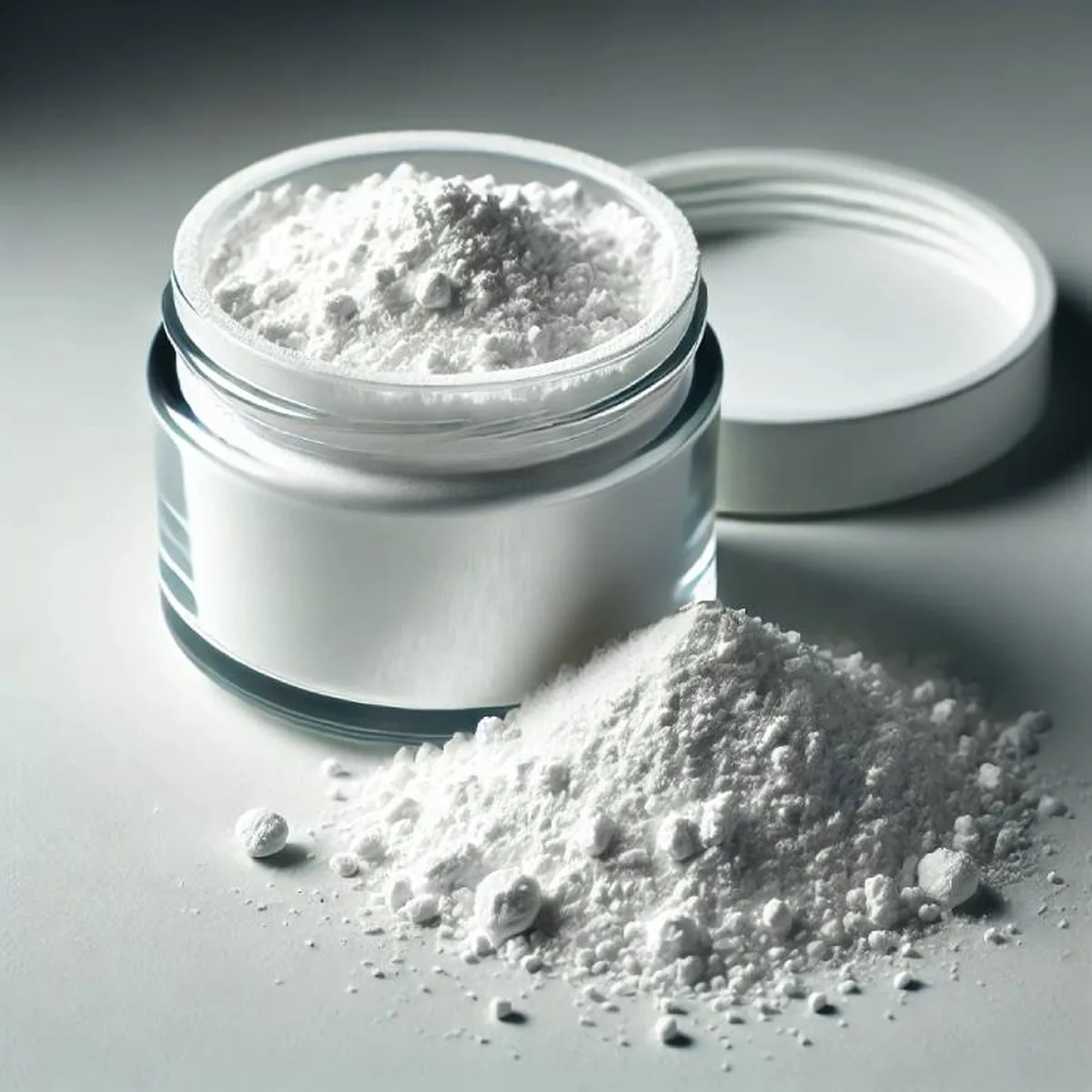
Appearancefine layered powder
Description
Zinc Oxide Pharma Netherlands at a glance
This zinc oxide is a fine layered powder of pharma grade from the Netherlands. The supplier specification states that it does not dissolve in water or alcohol but disperses well in triglycerides, glycerin, polysorbate and oils. Confirm the grade, purity and particle size on the supplier CoA.
Using the dispersion list
The listed liquids are a practical guide for making a premix. In an oil-based balm, disperse the powder in caprylic capric triglyceride or another oil. In a water-based cream or gel, disperse it in glycerin first. Polysorbate helps wet the powder and keeps it spread through water-based systems. A smooth premix is the key to a lump-free finished product.
Product formats
Creams
Matte day creams and protective creams.
Balms
Oil-based balms for areas that need a protective layer.
Masks
Clay and zinc masks for oily skin.
Powders
Matte loose powders.
Processing
Make the premix with a homogenizer or a three-roll mill, then add it to the batch. For emulsions, add the oil premix to the oil phase before emulsification, or the glycerin premix to the water phase. Check the finished product for grittiness.
Good partners
Zinc oxide pharma is a related grade. Squalane and caprylic capric triglyceride make smooth oil premixes, and Allantoin suits protective creams. Browse more in the actives catalog.
Testing
Check for grittiness, settling and pH stability. After-sun care formulas need UVA tests by an accredited laboratory.
Claims
Matte finish; skin feels protected and comfortable.
Characteristics
Form: powder. Appearance: fine layered powder. Solubility: insoluble in water and alcohol, dispersible in triglycerides, glycerin, polysorbate and oil. Grade: supplier CoA.
Original recipe: matte protective day cream, 100 g
Distilled water 63.00 g, glycerin 4.00 g, zinc oxide pharma Netherlands 6.00 g, caprylic capric triglyceride 10.00 g, squalane 5.00 g, glyceryl stearate citrate 4.00 g, cetearyl alcohol 2.00 g, xanthan gum 0.30 g, panthenol 1.00 g, polyhydroxystearic acid 0.70 g, phenoxyethanol and ethylhexylglycerin 1.00 g, tocopherol 0.50 g, silica 2.50 g. Disperse zinc oxide in the triglyceride with polyhydroxystearic acid, add to the oil phase, emulsify, cool and add the remaining ingredients.
Choosing between zinc oxide grades
Different grades vary in particle size, coating and purity. Fine grades give a smoother feel and less white cast. Pharma grades usually come with tighter specifications. Compare the data sheets when choosing a grade for a specific product.
Formulating for sensitive skin
Zinc oxide is a common choice in simple products for sensitive skin. Keep the rest of the formula short and fragrance-free.
Range ideas
A matte day cream, a protective balm and a clay mask can share this grade.
Lot records
Keep each CoA with the batch file and note the lot used.
Getting a smooth premix
Weigh the oil or glycerin into a beaker, start the homogenizer at low speed and sprinkle in the powder slowly. Increase the speed once all of it is wetted and mix until the premix looks glossy and even. A small drop spread between two fingers should feel smooth, with no grit. A premix made this way can be stored briefly in a closed container and stirred again before use.
Settling in storage
Fine powders can still settle over months. A slightly thicker texture and a well-chosen thickener keep the product uniform.
Documentation
Pharma grades from European producers come with detailed specifications. File the purity and heavy metal data with each lot, as safety assessors and retail customers often ask to see them.
Storage
Store closed in a dry place. Close the container after use.
Product Specifications
Solubilityinsoluble in water and alcohol, dispersible in triglycerides, glycerin, polysorbate and oil
StorageStore tightly closed in a cool, dry place away from light and heat. Respect the shelf life on the CoA.
TDS / CoA available on request. Contact us
Frequently Asked Questions
What can it be dispersed in?
Triglycerides, glycerin, polysorbate and oils.
Does it dissolve in water or alcohol?
No. It is insoluble in both.
How do I add it to a cream?
Make a premix in oil or glycerin, then add it with good mixing.


