SKU: VV23111021
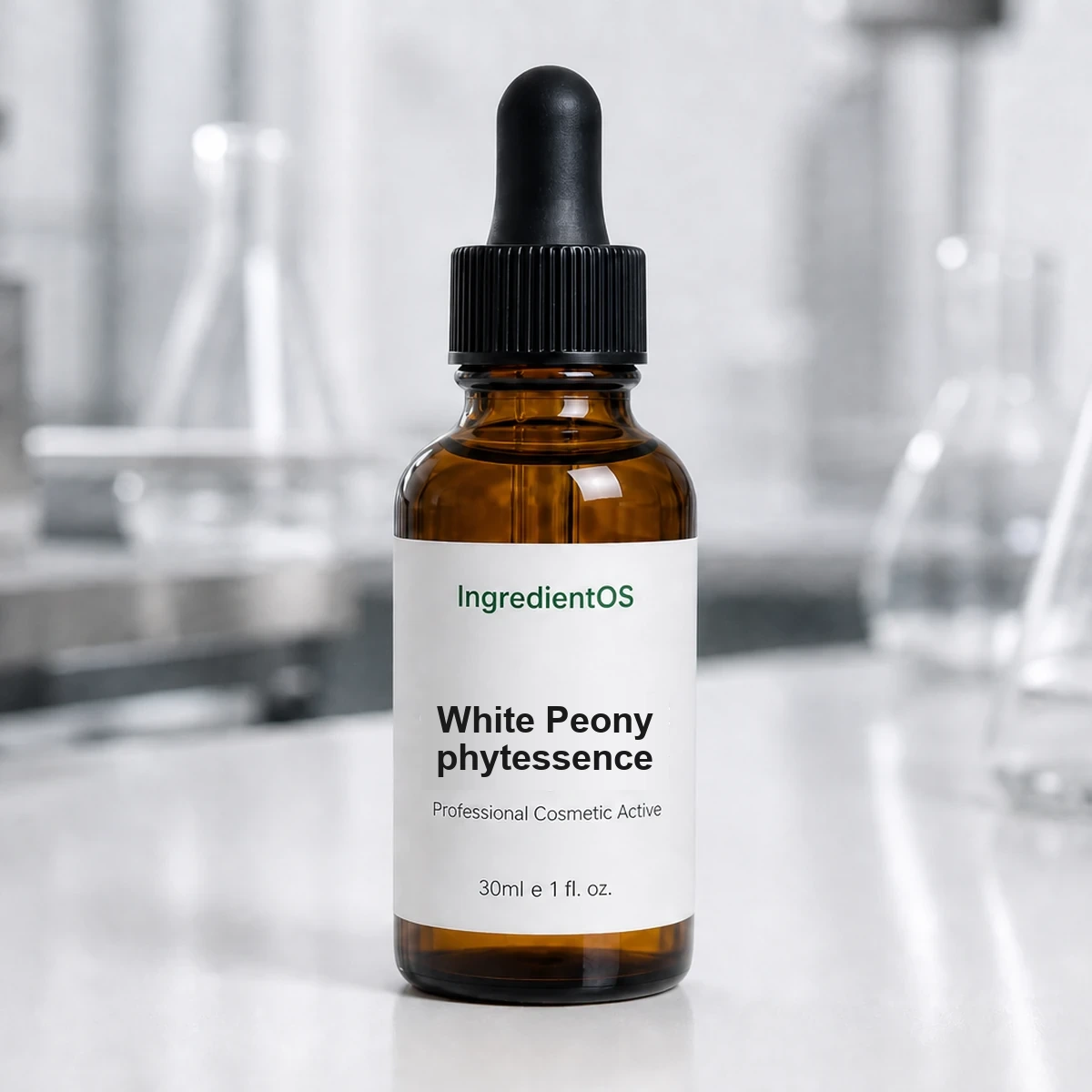
White Peony Phytessence (Paeonia Lactiflora Root Extract)
$15.99In stock
INCI: Glycerin, Water (Aqua), Paeonia Lactiflora Root Extract
Usage Rate: Up to 3%, added to the active (water) phase
Packaging
Liquid sizes — 0.33 oz (10 mL) sample through bulk (US · metric)
Ships from FloridaSecure checkoutUsually ships in 1–2 business daysFree US shipping on $50+
Applicationcosmetics, hair products
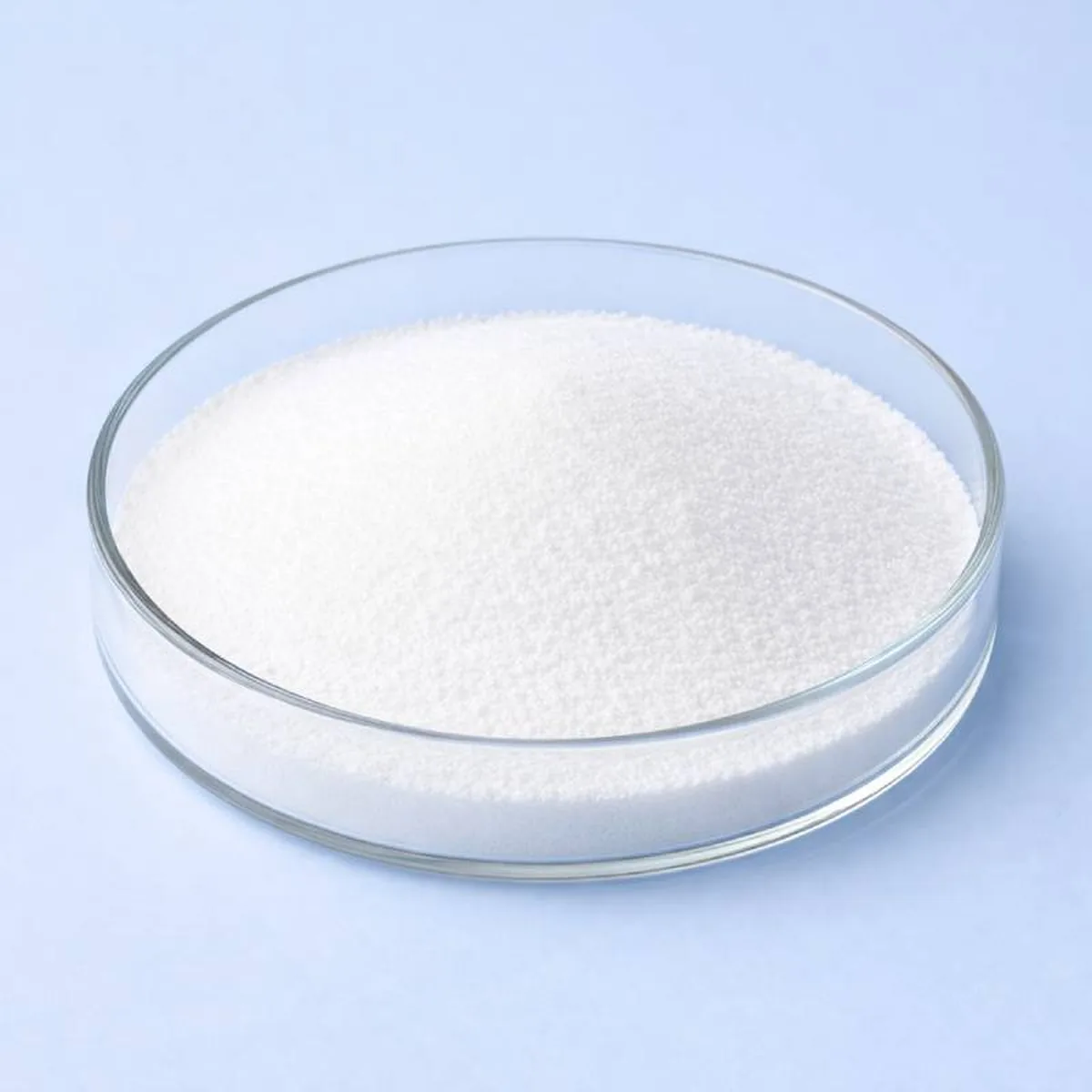
AppearanceLiquid active concentrate
pHfrom 4.0 to 7.0
Description
White Peony Phytessence at a glance
White Peony Phytessence is a liquid extract of white peony root, Paeonia lactiflora, held in glycerin and water. Formulators search for it by its INCI, which reads Glycerin, Water (Aqua), Paeonia Lactiflora Root Extract, and by its three working numbers: a use level of up to 3%, a pH window from 4.0 to 7.0 and full solubility in water. It does not dissolve in fats or oils, so it is always added to the water side of a formula. The liquid is light yellow and has a mild plant odor.
What is in peony root
Peony root has a long history in East Asian skin care. The supplier notes that the root is rich in trace elements, contains tannins, sugars and proteins, and carries the glycoside salicin together with small amounts of salicylic and benzoic acids. In cosmetic language this profile supports products that feel calming, refreshing and lightly toning. The tannins give a gentle astringent feel, which suits toners and products for skin that tends to look shiny.
What it does in a formula
The extract is used to build a soothing and comfort story in face care and to add a botanical touch to hair and scalp products. The supplier lists nourishing and moisturizing care, a fresher feel, help for skin that looks irritated, firmer and more elastic looking skin and a smoother looking surface. Claims should stay cosmetic and visual. Peony also fits deodorizing body mists and foot sprays, where its fresh character is welcome.
How to formulate with it
Water phase and cool-down
Weigh the extract into the water phase of a gel, or add it to an emulsion during cool-down, below 40 °C. Stir gently until uniform. In clear products the light yellow tint can show, so test color early in development.
pH and partners
Set the finished product between pH 4.0 and 7.0. Peony works well next to humectants, panthenol and soft botanicals. For a calm, even-looking complexion it combines naturally with niacinamide, and for a richer moisture profile with betaine. More plant concentrates and finished-effect actives are collected in the cosmetic actives section, where you can compare water-soluble options side by side.
Product ideas
Toners and essences for skin that feels tight or looks dull are the most natural home for peony. Gel serums and light day creams can use it as a comfort active. Under-eye gels benefit from its fresh feel. In hair care, scalp tonics and leave-in sprays give the longest contact time, while shampoos and conditioners use it mostly as a botanical label note.
Sample recipe: soothing peony toner, 100 g
Distilled water 88.50 g, White Peony Phytessence 3.00 g, glycerin 3.00 g, propanediol 2.00 g, panthenol 1.00 g, betaine 1.00 g, preservative 1.00 g, citric acid solution 0.50 g. Dissolve glycerin, propanediol, panthenol and betaine in the water, add the peony extract and the preservative, mix until clear and adjust the pH to about 5.5 with the citric acid solution.
Claims language
Good wording includes soothing feel, comfort for sensitive-feeling skin, refreshed look and a smoother looking surface. Keep the message about appearance and sensation. A patch test on the inner elbow is a sensible step for any new leave-on product that contains botanical extracts.
Quality checks for each lot
Because White Peony Phytessence is a natural extract, color and odor can vary slightly from lot to lot. Compare each delivery with the certificate of analysis, check the pH of a 10% dilution if your quality plan asks for it, and keep a retained sample. In finished products, run a short stability test at room temperature and at 40 °C to watch for color drift, which is the most common change in botanical-rich toners.
Storage
Keep the container tightly closed in a cool, dark place. Reclose it right after use and check the lot documents for shelf life.
Product Specifications
INCIGlycerin, Water (Aqua), Paeonia Lactiflora Root Extract
Usage RateUp to 3%, added to the active (water) phase
SolubilityWater-soluble; not soluble in fats and oils
StorageStore tightly closed in a cool, dry place away from light and heat. Refrigerate opened material where practical; respect supplier shelf life.
TDS / CoA available on request. Contact us
Frequently Asked Questions
What is the INCI of White Peony Phytessence?
Glycerin, Water (Aqua), Paeonia Lactiflora Root Extract. Check the certificate of analysis of each lot for confirmation.
How much should I use?
The supplier recommends up to 3%, added to the water or active phase.
Can it go into an oil serum?
No. The extract is water-soluble and does not dissolve in oils, so use it in water-based or emulsion products.