SKU: VV25051603
Tocopheryl Acetate Powder
$9.99In stock
Usage Rate: Typical: dissolve the supplied crystal powder in the water phase and use at levels that deliver approximately 0.1–0.5% pure active in the finished leave-on product (1000–5000 ppm).
Packaging
Powder sizes (metric · US)
Ships from FloridaSecure checkoutUsually ships in 1–2 business daysFree US shipping on $50+
ApplicationCosmetics: creams and serums, masks and peels, moisturizing formulas, sun care, lip and hand care, after-sun care, BB creams and decorative powders
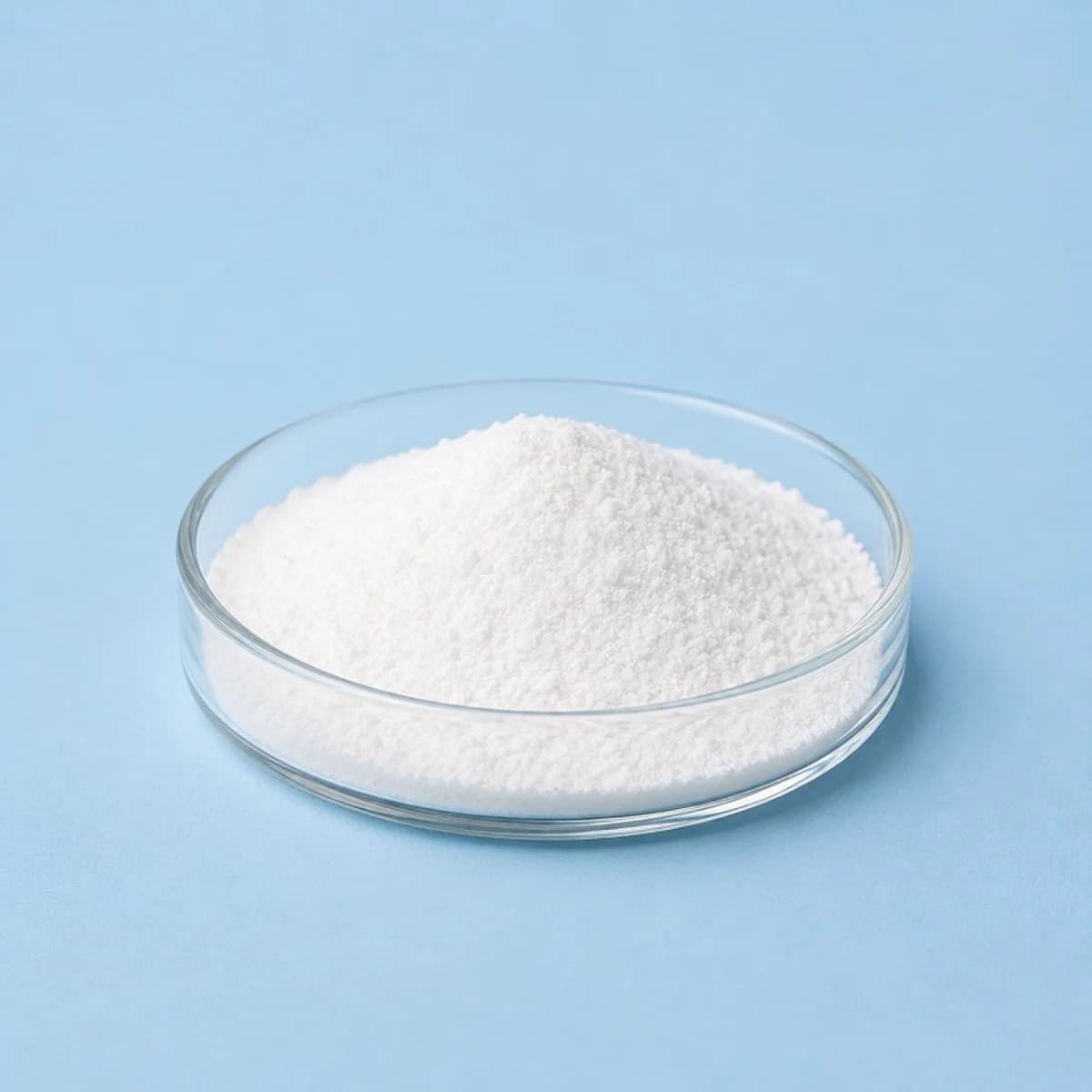
AppearanceFine powder or microencapsulated form (depending on manufacturer), may be slightly granulated
pH5.0–6.5
Description
Tocopheryl Acetate Powder at a glance
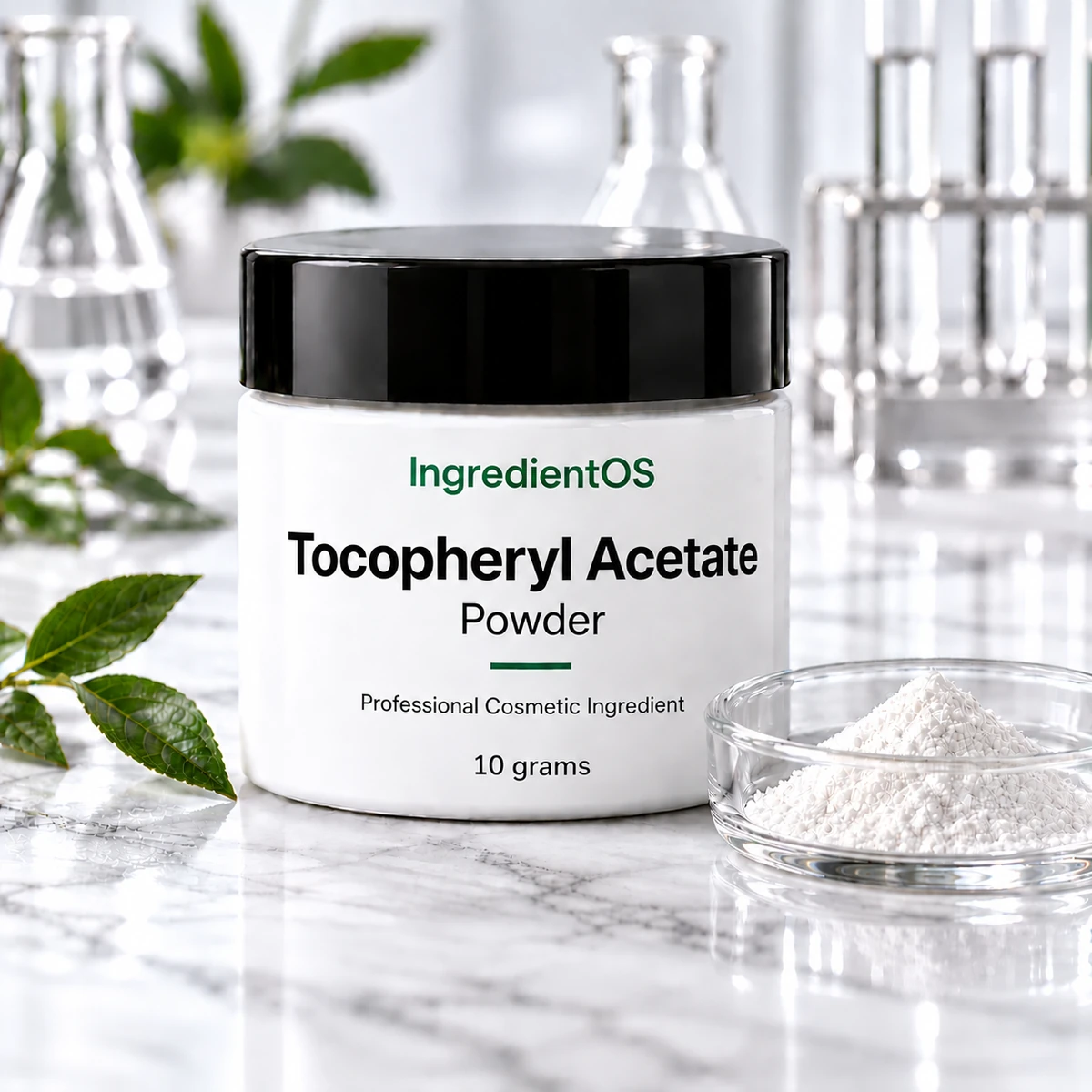
Tocopheryl Acetate Powder is vitamin E acetate in a fine powder or microencapsulated form, depending on the manufacturer, and it may be slightly granulated. The supplier specification gives solubility in oils and lipids and a pH of 5.0 to 6.5. Tocopheryl acetate is the most widely used form of vitamin E in skincare, because the ester is more stable than free tocopherol. Confirm form and vitamin E content on the supplier CoA.
Why a powder form
Vitamin E acetate is normally an oily liquid. A powder form makes it easier to add to dry products such as pressed powders, BB powders, powder masks and dry cleansers. Microencapsulated grades also protect the vitamin and can release it gradually when rubbed into the skin.
Product formats
Age-defying creams and serums
Vitamin E enriched moisturizers.
Masks and peels
Powder and cream masks.
Lip and hand care
Balms and creams for dry areas.
After-sun and after-sun care
Antioxidant support in sun products, alongside tested filters.
BB creams and decorative powders
Vitamin E in makeup.
Processing
In powders, mix it in with the other dry ingredients. In emulsions, add it to the oil phase or as the supplier directs for encapsulated grades. Avoid high shear for long periods with microcapsules, which can break them early.
Good partners
Tocopheryl acetate liquid is the classic oil form. Ferulic acid strengthens the antioxidant story, and Calcium phosphate suits powders. Browse more in the actives catalog.
Testing
Check that microcapsules stay intact by viewing samples under a microscope. Check the color and odor of the product over time.
Claims
Vitamin E enriched; antioxidant care; skin feels soft and conditioned.
Characteristics
Form: fine powder or microencapsulated, may be slightly granulated. Solubility: oils, lipids. pH: 5.0 to 6.5. Type: vitamin E acetate. Listed uses: age-defying creams and serums, masks and peels, moisturizing formulas, lip and hand care, after-sun, BB creams and decorative powders. Grade: supplier CoA.
Original recipe: vitamin E loose finishing powder, 100 g
Mica 40.00 g, corn starch 30.00 g, kaolin 15.00 g, tocopheryl acetate powder 3.00 g, zinc stearate 5.00 g, silica 5.00 g, iron oxide blend 2.00 g. Mix the pigments with part of the mica, add the remaining powders, blend in a grinder in short pulses, sieve and fill into sifter jars.
For cosmetics, make sure the grade you buy is documented for cosmetic use and comes with appropriate data.
Antioxidant protection for formulas
Besides its role on the skin, vitamin E can help protect oils in the formula from oxidation. For this purpose, free tocopherol is usually more effective, so many formulators use both forms.
Makeup tips
In pressed powders, a small amount of vitamin E powder adds a care story without changing the color.
Range ideas
A finishing powder, a BB cream and a hand cream can share vitamin E.
Lot records
Keep each CoA with the batch file and note the lot used.
Encapsulation basics
Microencapsulated vitamins are surrounded by a protective shell that keeps them away from air and other ingredients. When the product is rubbed into the skin, the shells break and release the vitamin. This can improve stability and give a pleasant fresh story. Ask the supplier about shell material and release behavior.
Lab tip
Sieve the powder before use if it has formed small granules.
Batch consistency
Granule size can differ between lots and producers. Compare each new lot with a retained sample and adjust sieving if needed.
Storage
Store closed in a dry place. Close the container after use.
Product Specifications
Usage RateTypical: dissolve the supplied crystal powder in the water phase and use at levels that deliver approximately 0.1–0.5% pure active in the finished leave-on product (1000–5000 ppm).
SolubilityWater-soluble crystal powder. Dissolve fully in the water phase; avoid prolonged high heat after dissolution.
StorageStore tightly closed in a cool, dry place away from light and heat. Respect the shelf life on the CoA.
TDS / CoA available on request. Contact us
Frequently Asked Questions
What is tocopheryl acetate?
A stable ester of vitamin E used as an antioxidant and conditioning ingredient.
What is the powder form for?
It is convenient in powders, dry products and some emulsions.
Which products use it?
Age-defying creams, masks, lip and hand care, after-sun products and BB creams.