SKU: VV26051205
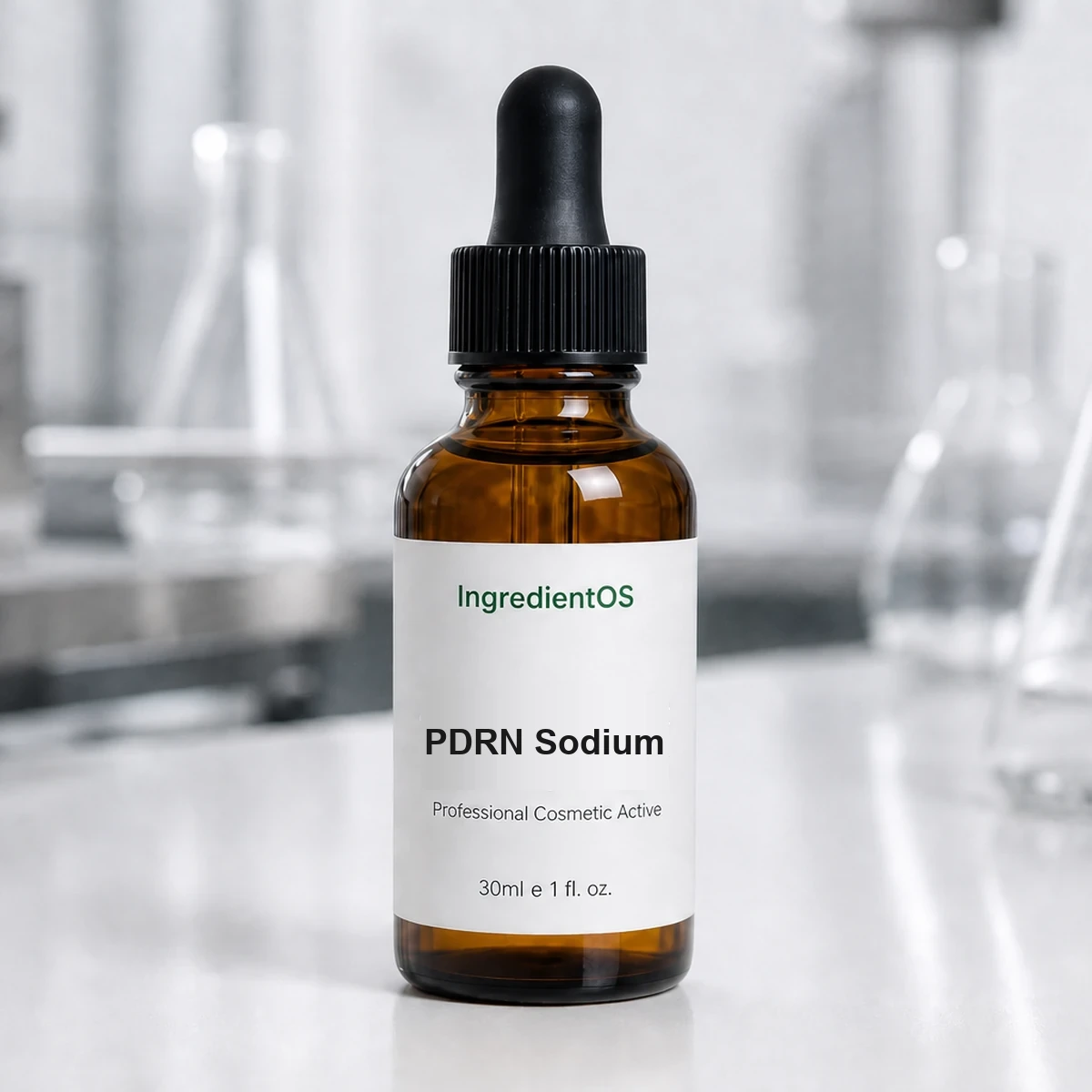
PDRN Sodium
$15.99In stock
Usage Rate: Typical: use the supplied liquid active concentrate at supplier-recommended levels in leave-on formulas, delivering approximately 0.1–0.5% pure active in the finished product (1000–5000 ppm).
Packaging
Liquid sizes — 0.33 oz (10 mL) sample through bulk (US · metric)
Ships from FloridaSecure checkoutUsually ships in 1–2 business daysFree US shipping on $50+
ApplicationApplications in various fields Skin cosmetics Serums Creams and emulsions Concentrates Post-procedure products Body cosmetics Regenerating creams Lotions Professional cosmetology Post-procedure programs Concentrates Hardware procedures SPA and wellness industry Regenerating complexes Care for stressed skin Dermatological developments Skin support formulas Complex active systems
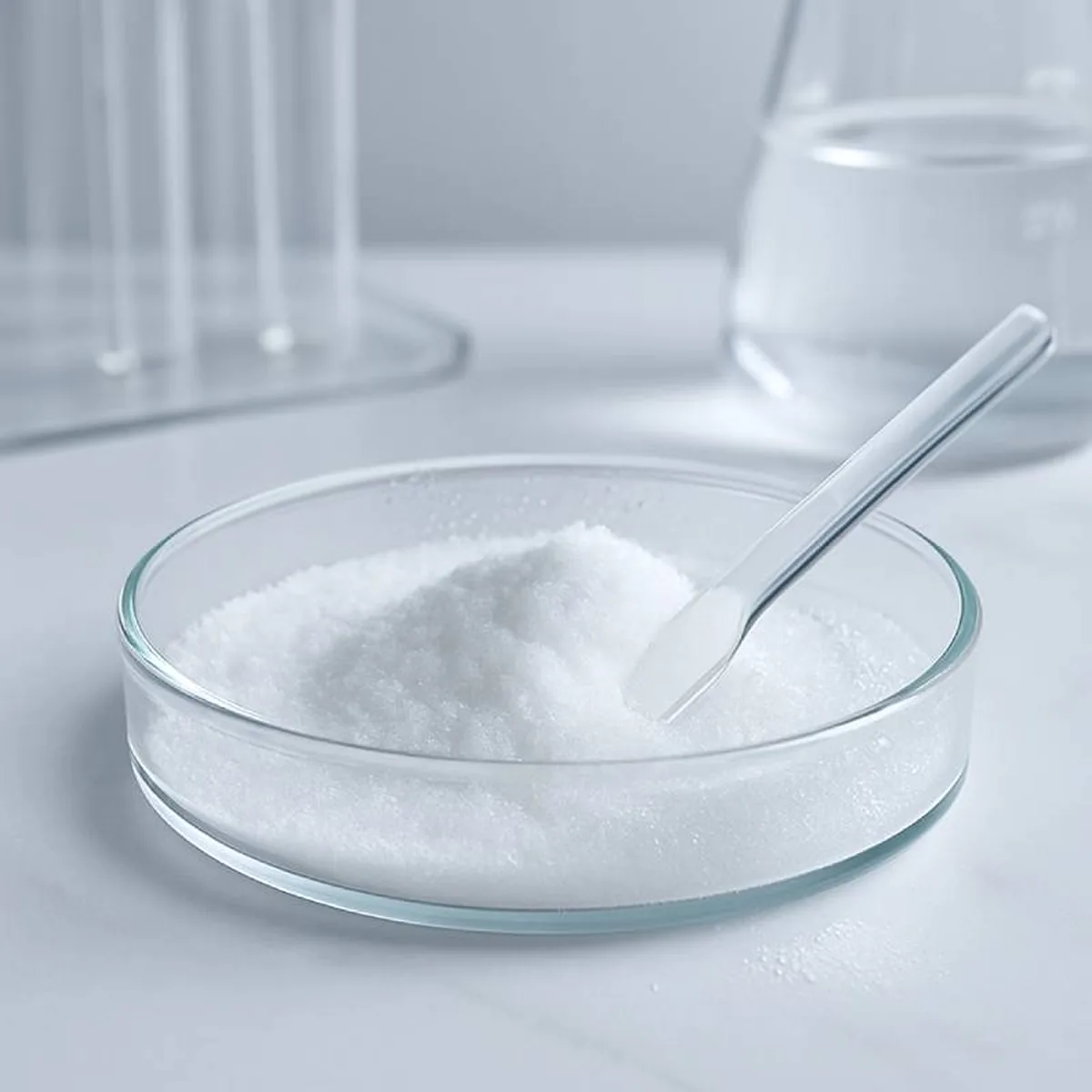
AppearanceLiquid active concentrate
pH5.0–7.5
Description
What PDRN Sodium is
PDRN stands for polydeoxyribonucleotide, a sodium salt of DNA fragments. In cosmetic ingredient lists it is usually declared as Sodium DNA. This SKU is a water-soluble liquid for leave-on serums, essences, creams and sheet-mask fluids, where it is positioned for hydration, a comfortable skin feel and a healthy-looking glow. CAS is shown as N/A here; confirm the INCI and identifiers on the CoA for your lot.
Cosmetic positioning only
PDRN is discussed in many professional settings, but this ingredient is sold for topical cosmetic products. Keep wording cosmetic: hydrated-looking skin, comfort, a smoother look.
How to formulate with PDRN Sodium
Phase and temperature
Add PDRN Sodium in the water phase during cool-down, below 40 °C. Mix at low shear until uniform. High heat and aggressive homogenization are best avoided after addition.
Base and stability
Near-neutral water-gels and light emulsions are the usual bases. Check pH, clarity and viscosity in your finished formula and validate a preservative system for the whole product. Use level is not stated on the supplier specification; follow the supplier documentation.
Pairing ideas
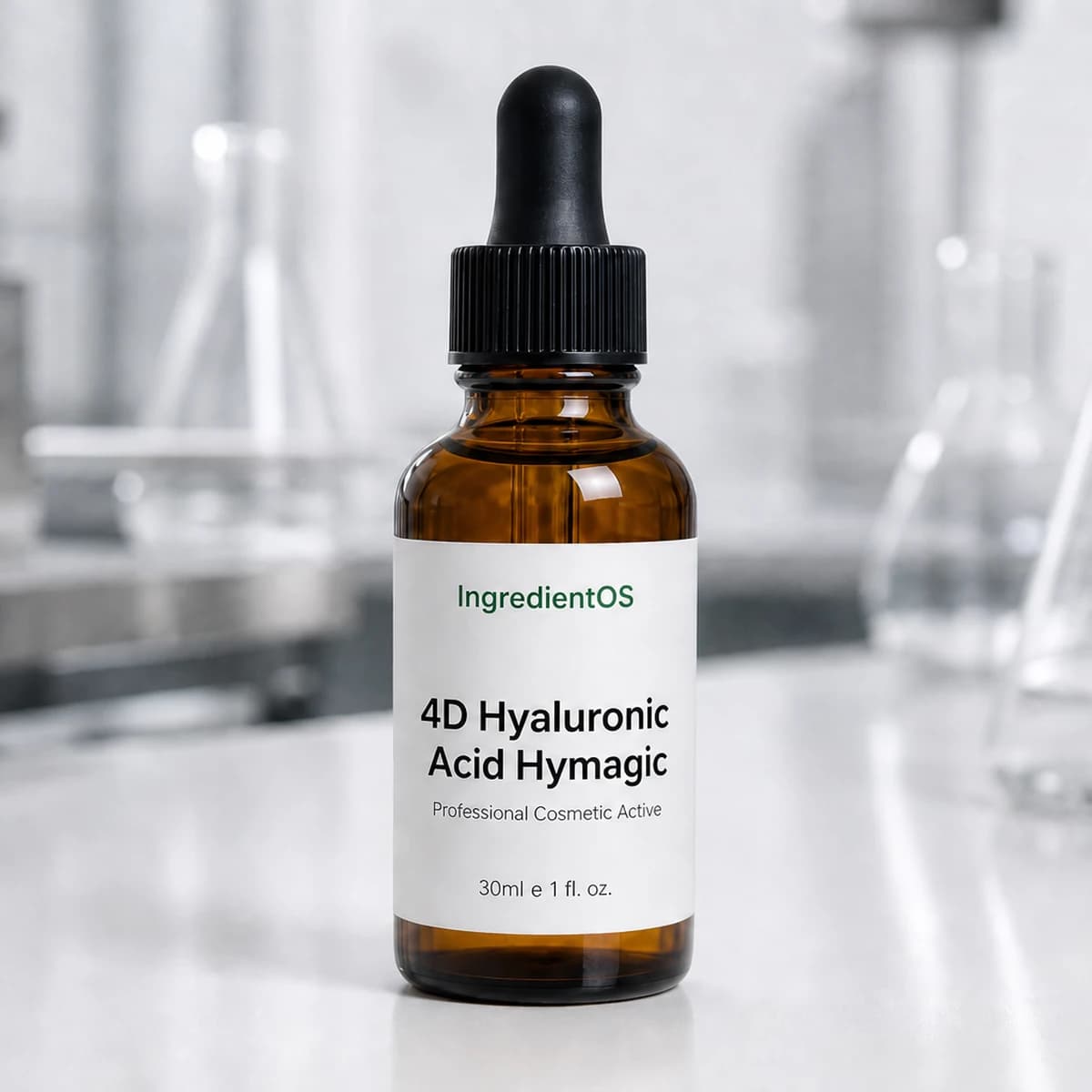
PDRN pairs naturally with hydrators. 4D Hyaluronic Acid (Hymagic) adds multi-weight hyaluronic hydration, and glycerin or panthenol add slip and comfort. For a combined peptide serum, add copper peptide such as GHK-Cu separately in cool-down and run a color and stability check. Keep strong acid exfoliants in a separate product.
Product ideas
Brands use PDRN in hydrating essences, glow serums, leave-on cosmetic use-style night creams, ampoules and sheet-mask essences. A clean, short ingredient list with a hyaluronic base suits the minimal positioning many PDRN products follow.
Lab checklist for PDRN formulas
Record pH, clarity and viscosity before and after adding PDRN, and keep the final pH within the working range of your preservative. Some thickeners and high salt loads can change the look of a clear gel, so add PDRN to a finished, cooled base and mix slowly. Run stability in the final packaging at room temperature and 40 °C over several weeks, checking appearance, odor and pH.
Storage
Keep the material tightly closed, cool and away from light, and refrigerate opened material where practical. Use clean tools and respect the shelf life on the CoA.
Labeling
Declare the ingredient under the INCI shown on the CoA. Marketing names such as PDRN or salmon DNA belong in the product story only if the documentation supports the source.
Who uses PDRN
Skin care brands building hydrating ampoules, glow essences and leave-on cosmetic use-style night products are the main buyers. Lab teams often start with a short, minimal formula so the PDRN story stays clear on the label.
Ordering
PDRN Sodium is a raw material for formulators and brands, not a finished product. It ships from Florida, usually within 1 to 2 business days, in the pack sizes shown above, and US shipping is free on orders of $50 or more. Browse more specialty actives for hydration and skin-feel briefs.
Product Specifications
Usage RateTypical: use the supplied liquid active concentrate at supplier-recommended levels in leave-on formulas, delivering approximately 0.1–0.5% pure active in the finished product (1000–5000 ppm).
SolubilityWater-soluble liquid active concentrate. Add directly to the water phase during cool-down.
StorageStore tightly closed in a cool, dry place away from light and heat. Respect the shelf life on the CoA.
TDS / CoA available on request. Contact us
Frequently Asked Questions
What is the INCI of PDRN Sodium?
PDRN is usually declared as Sodium DNA. Confirm the exact INCI on the CoA for your lot.
When do I add PDRN to a formula?
In the water phase during cool-down, below 40 °C, with low-shear mixing.
What claims can I make for PDRN in cosmetics?
Keep claims cosmetic, such as hydration and comfort. Base claims only on cosmetic data for topical use.
Can PDRN be combined with hyaluronic acid?
Yes. It is commonly paired with multi-weight hyaluronic acid in hydrating serums.