
SKU: J90203
Magnesium Oxide
$9.99In stock
Packaging
Powder sizes (metric · US)
Ships from FloridaSecure checkoutUsually ships in 1–2 business daysFree US shipping on $50+
Applicationmineral powder, shampoos, dry deodorants
Appearancepowder
Description
Magnesium Oxide at a glance
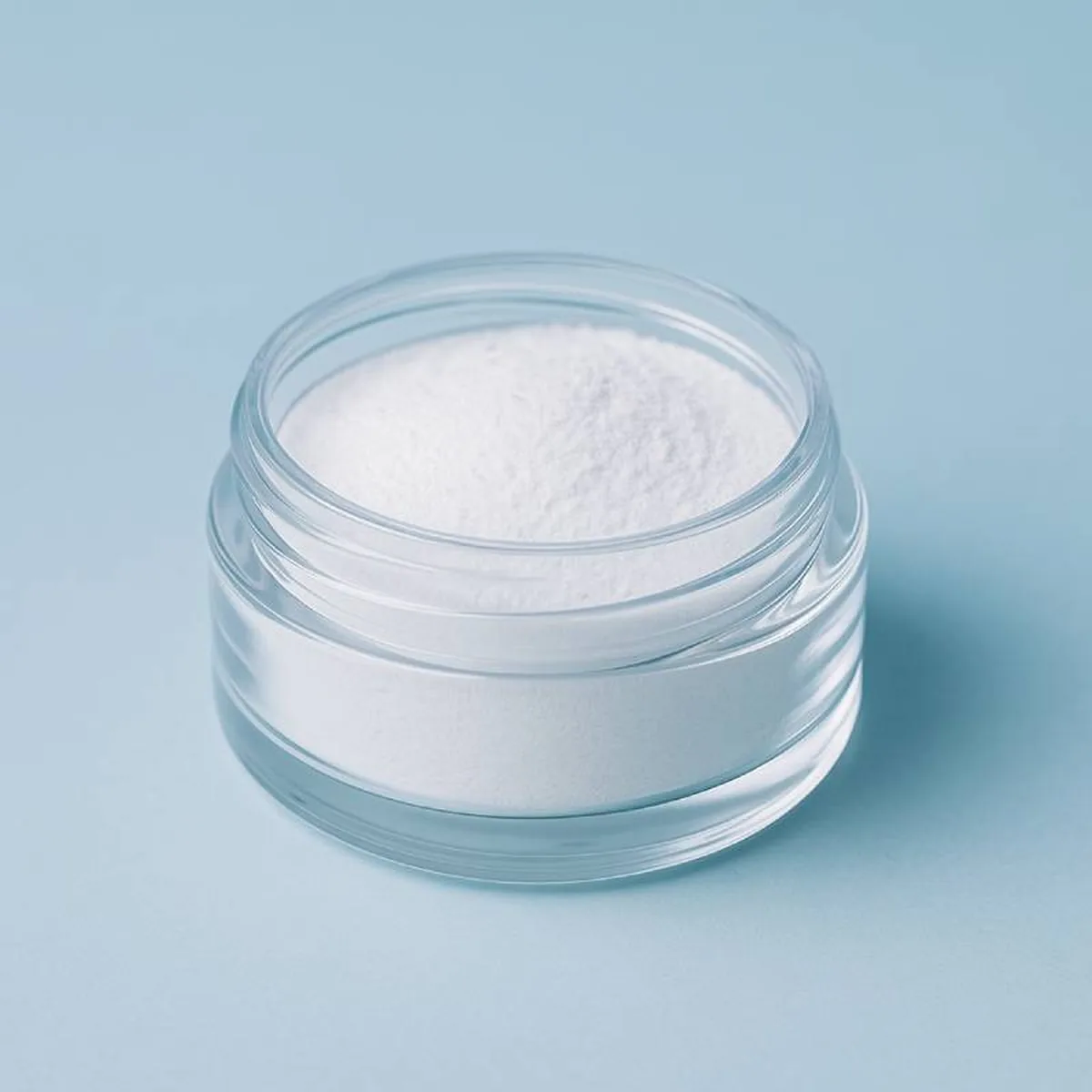
Magnesium Oxide is a white mineral powder. The supplier specification lists mineral powders, shampoos and dry deodorants. It is insoluble in alcohols and reacts with acids and alkalis, according to the supplier specification. Magnesium oxide absorbs oil and moisture and has a mildly alkaline character. Magnesium oxide is practically insoluble in water and alcohol, so it is dispersed rather than dissolved.
Absorbent minerals
Powders that soak up oil and sweat are the backbone of mineral makeup, dry shampoos and powder deodorants. They keep skin and hair looking fresh and feeling dry. Magnesium oxide joins kaolin, starches and zinc oxide in this group and adds a light, fine texture.
Product formats
Mineral face powders
Loose and pressed mineral powders for a matte finish.
Dry shampoos
Powders that absorb oil at the roots so hair looks fresh between washes.
Dry deodorants
Powder and stick deodorants that help keep underarms feeling dry.
Body powders
Talc-free body powders for a soft, dry feel.
Processing
Blend the powder with the other dry ingredients and mill for an even mix. In anhydrous sticks, disperse it in the melted waxes and oils. Avoid water-based acidic formulas, where it would react and raise the pH. Wear a dust mask when handling fine powders.
Good partners
Zinc oxide adds a second mineral, and IO Texturizing Starch Powder gives a silky finish. Calcium stearate helps powders press. Browse more in the actives catalog.
Testing
Test absorbency, feel and white cast on skin and hair. For deodorants, a panel can rate dryness and comfort over a day.
Claims
Absorbs excess oil; skin and hair look fresh; dry, comfortable feel.
Characteristics
Form: white powder. Solubility: practically insoluble in water and alcohol; reacts with acids. Listed uses: mineral powders, shampoos, dry deodorants. Handling details: supplier data sheet and CoA.
Original recipe: dry shampoo powder, 100 g
Rice starch 55.00 g, kaolin 25.00 g, magnesium oxide 10.00 g, silica 5.00 g, cocoa powder 3.00 g, fragrance 1.00 g, caprylyl glycol 1.00 g. Blend the powders, mill for an even mix, then spray in the fragrance and caprylyl glycol while mixing.
Skin compatibility
Because magnesium oxide is mildly alkaline, products with a high level can feel drying on sensitive skin. Keep the level moderate in deodorants and combine it with gentle powders. Patch test the finished product.
Tinting for darker hair
Dry shampoos can leave a white cast on dark hair. Cocoa powder or iron oxides help tint the powder for brunette shades. Offer a light and a dark version so every user finds a match.
Range ideas
A dry shampoo, a powder deodorant and a mineral face powder can share magnesium oxide as the oil-absorbing base.
Lot records
Keep each CoA with the batch file and note the lot used.
Talc-free powders
Many brands now offer talc-free powders. Magnesium oxide, rice starch, kaolin and silica can replace talc in body powders and makeup while keeping a soft, absorbent feel. Blend several powders to balance slip, absorbency and coverage, and mill the mix well so the color is even.
Deodorant formats
Powder deodorants are applied with a puff or shaken from a bottle. Stick deodorants carry the powder in a wax and oil base. In both cases, the powder helps the underarm feel dry. Pair it with a gentle odor-masking fragrance and a skin-friendly base, and keep the pH impact in mind.
Handling dust
Wear a dust mask and weigh fine mineral powders slowly to keep the air clean.
Record the lot number in your batch log so every production run can be traced back to its certificate of analysis. Retain a small sample of each lot for at least the shelf life of the finished product, since it makes later quality questions much easier to answer.
Storage
Store closed in a dry place. Close the container after use.
Product Specifications
SolubilityPractically insoluble in water and alcohol; dissolves in dilute acids (reacts). Disperse in powders or anhydrous bases.
StorageStore tightly closed in a cool, dry place away from light and heat. Respect the shelf life on the CoA.
TDS / CoA available on request. Contact us
Frequently Asked Questions
What does magnesium oxide do in cosmetics?
It absorbs oil and moisture and gives a dry, matte feel.
Which products use it?
Mineral powders, dry shampoos and dry deodorants.
Does it react with acids?
Yes. It is mildly alkaline and reacts with acids, so keep it out of acidic products.


