SKU: L30022
Lithothamnium
$9.99In stock
Packaging
Powder sizes (metric · US)
Ships from FloridaSecure checkoutUsually ships in 1–2 business daysFree US shipping on $50+
Appearancepowder
Description
Lithothamnium at a glance
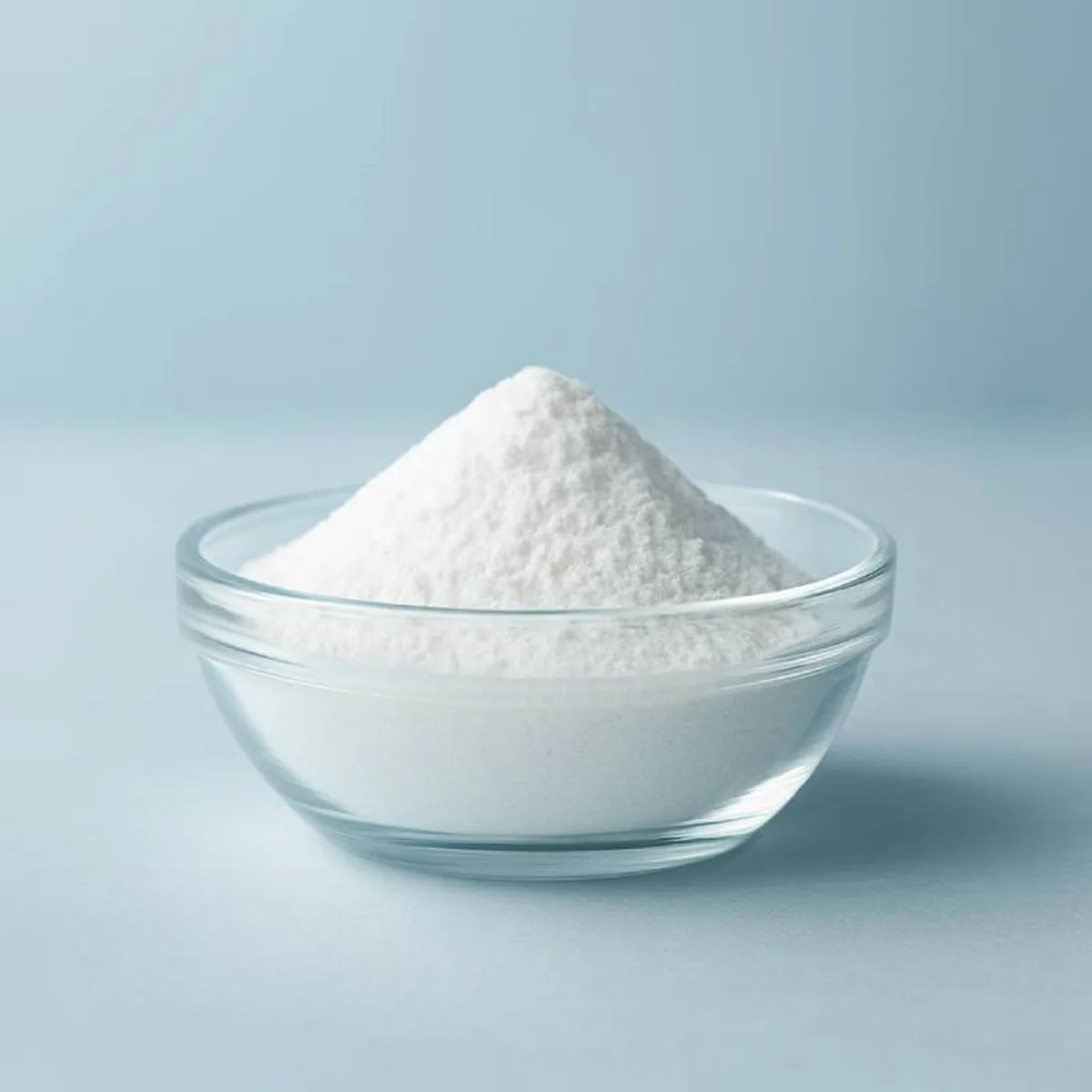
Lithothamnium is a powder that disperses in water. It comes from a red seaweed that builds a hard, coral-like skeleton from minerals in sea water. That skeleton is rich in calcium and magnesium carbonates and contains many trace elements. Once harvested and milled, it becomes a fine marine mineral powder. Confirm particle size and composition on the supplier CoA.
Marine minerals in cosmetics
Thalassotherapy, the use of sea water and marine materials in spa care, has a long tradition in coastal regions of Europe. Seaweed and marine minerals are central to it. Lithothamnium brings that story into masks, scrubs and bath products, where shoppers expect a mineral-rich, revitalizing experience.
Product formats
Masks
Clay and seaweed masks with a mineral boost.
Scrubs
Fine marine powder gives a gentle polishing effect.
Bath products
Bath salts and powders with a thalassotherapy theme.
Body wraps
Spa wraps that combine seaweed and minerals.
Marine skin care
Creams and lotions with a sea-inspired story.
Processing
Disperse the powder in the water phase with good stirring, or blend it with clays and other powders for masks. Because carbonates react with acids, avoid adding it to products with a low pH, where it would fizz and raise the pH. Keep the final pH neutral to mildly alkaline in products with a high mineral content.
Good partners
Kaolin and other clays build mask bases. Marine collagen and the Sea Fennel marine extract complete a marine theme. Browse more in the actives catalog.
Testing
Check that the powder stays evenly dispersed and does not settle. Measure the pH after adding it, since carbonates can raise it.
Claims
Rich in marine minerals; skin feels revitalized and smooth; inspired by thalassotherapy.
Characteristics
Form: powder. Solubility: dispersible in water. Source: calcified red seaweed. Composition and particle size: supplier CoA.
Original recipe: marine mineral mask, 100 g
Kaolin 40.00 g, distilled water 41.80 g, glycerin 6.00 g, lithothamnium 8.00 g, aloe vera juice 2.00 g, xanthan gum 0.20 g, sodium benzoate 0.50 g, potassium sorbate 0.20 g, fragrance 0.30 g, panthenol 1.00 g. Disperse xanthan in glycerin, add to the water with aloe and panthenol, stir in kaolin and lithothamnium until smooth, preserve and add fragrance.
Reacting with acids
Calcium carbonate reacts with acids to release carbon dioxide. In a product with a low pH, that reaction causes bubbles and a pH shift. Keep lithothamnium out of acidic serums and toners, and use it in masks, scrubs and bath products where a neutral pH is fine.
Spa positioning
Marine products sell well in spa and wellness ranges. Blue and white packaging, sea imagery and a thalassotherapy story help shoppers understand the concept at a glance. Sachets of mask powder and jars of bath salts also make good gift sets.
Range ideas
A mineral mask, a marine scrub and bath salts can share lithothamnium and a sea-spa story.
Lot records
Keep each CoA with the batch file and note the lot used.
Bath products
Bath powders and salts with marine minerals are a simple, attractive format. Mix lithothamnium with sea salt, a little baking soda and a skin-friendly fragrance. Users dissolve a handful in warm bath water for a spa-like soak. Add a small amount of oil-soluble emollient on a carrier powder if a softer after-feel is wanted.
Particle size
Fine grades suit masks and creams, while coarser grades give a polishing effect in scrubs.
Record the lot number in your batch log so every production run can be traced back to its certificate of analysis. Retain a small sample of each lot for at least the shelf life of the finished product, since it makes later quality questions much easier to answer.
Storage
Store closed in a dry place. Close the container after use.
Product Specifications
Solubilitydispersible in water
StorageStore tightly closed in a cool, dry place away from light and heat. Respect the shelf life on the CoA.
TDS / CoA available on request. Contact us
Frequently Asked Questions
What is lithothamnium?
A calcified red seaweed whose skeleton is rich in calcium, magnesium and trace minerals.
Does it dissolve in water?
No. It disperses in water as fine particles.
Which products use it?
Masks, scrubs, bath products and marine skin care.