SKU: VV24110703
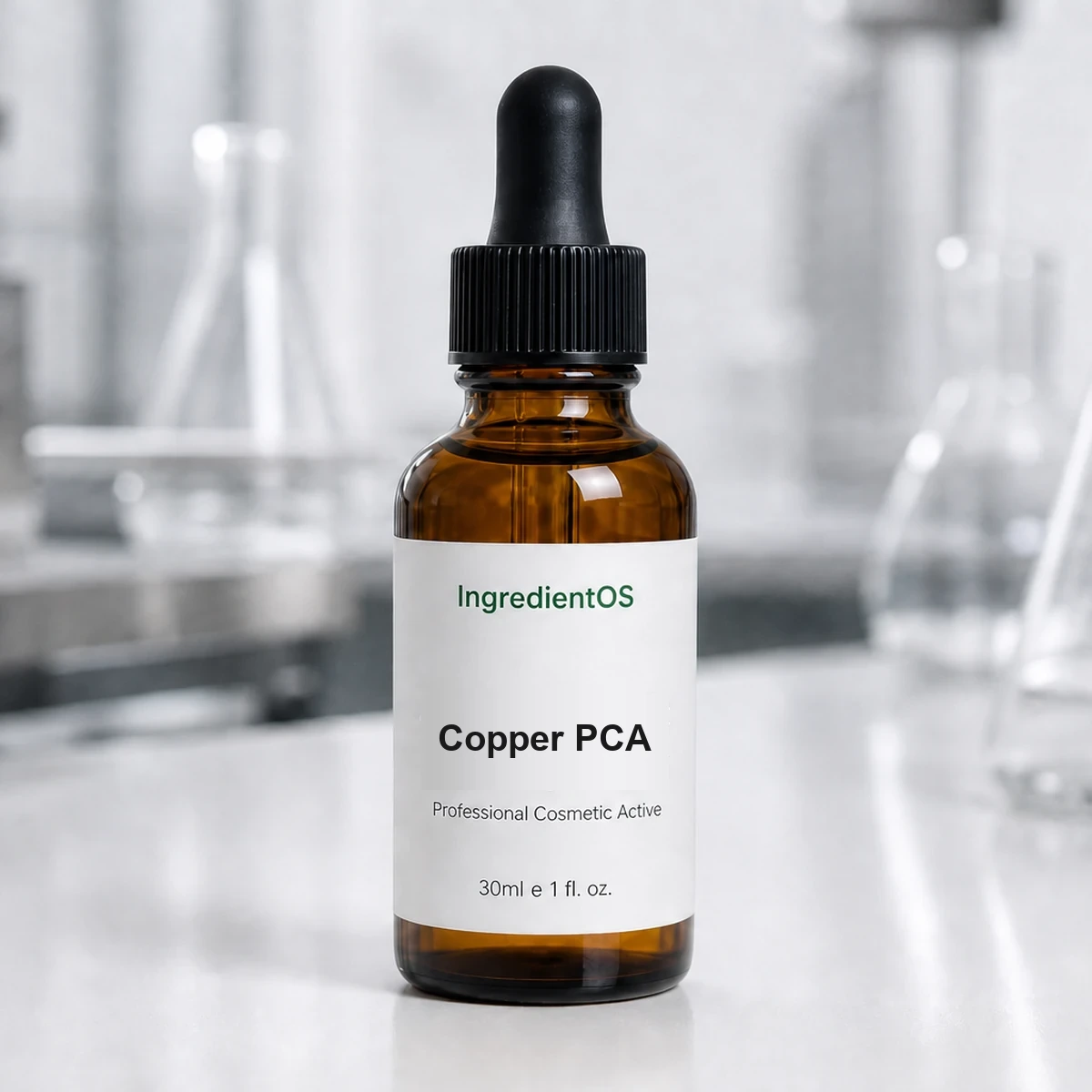
Copper PCA
For cosmetic formulation use only.
Raw material for topical cosmetic products.
$64.29In stock
Usage Rate: Face creams and serums 0.05-0.5%; anti-aging care 0.1-0.5%; eye care 0.05-0.2%; shampoos and conditioners 0.1-0.5%; color cosmetics 0.05-0.2%
Packaging
Powder sizes (metric · US)
Ships from FloridaSecure checkoutUsually ships in 1–2 business daysFree US shipping on $50+
ApplicationSkin care: Included in serums, creams and lotions for moisturizing, anti-aging and blemishes care. Hair care: Used in shampoos and conditioners to strengthen hair and improve its structure. Make-up: Added to foundations and powders to improve skin texture and moisturize.
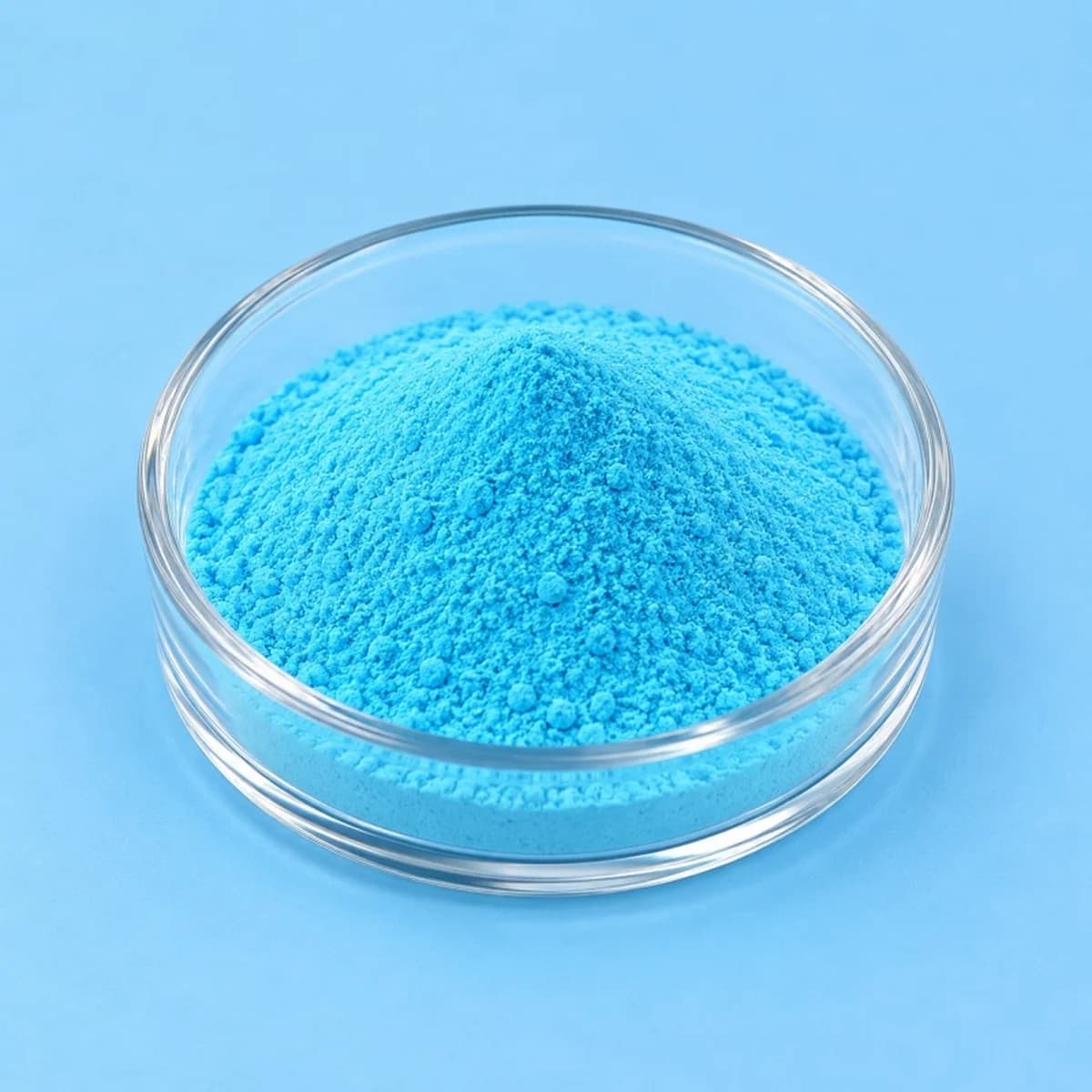
Appearancefine powder
pH4.0 - 6.0. Avoid combining with certain actives
Description
Copper PCA at a glance
Copper PCA is the copper salt of L-pyroglutamic acid, often shortened to PCA. It is a fine, blue-green powder from France with the INCI Copper PCA, sometimes sold under the name Cuivridone. It dissolves in water and works at very low levels, usually between 0.05 and 0.5% of the finished product. The working pH is 4.0 to 6.0. Formulators choose it when they want copper in a formula in a form that is easy to dissolve, light in color at use level and well suited to both skin and hair care.
Two parts with two roles
PCA is one of the main parts of the natural moisturizing factor of the skin, the mix of small molecules that keeps the upper layer of skin supple. As a carrier it brings a water-binding, skin-friendly character. Copper is a trace element that the skin uses in many processes, including its own antioxidant defenses and the upkeep of the support network that keeps skin firm. Together they make a small, versatile ingredient. The supplier highlights strong moisture retention, antioxidant protection and sebum balance, which in cosmetic language means skin that feels hydrated, looks fresher and appears less shiny.
Dosing by product
The supplier gives specific ranges. Moisturizing face creams and serums use 0.05 to 0.5%. appearance-focused cosmetic products use 0.1 to 0.5%. The eye area calls for a lighter hand, 0.05 to 0.2%. Shampoos and conditioners use 0.1 to 0.5%, and foundations and powders 0.05 to 0.2%. Products for oily and blemish-prone looking skin can go up to 1%. At these levels the blue-green color is barely visible in most bases.
Formulating tips
Dissolving
Dissolve the powder in part of the formula water before adding it to the batch. It is easiest to add during cool-down or to a cold process gel. Stir until the solution is clear.
pH and compatibility
Keep the finished product between pH 4.0 and 6.0. The supplier notes that Copper PCA should not be combined with certain actives. Copper ions can react with strong reducing agents such as pure ascorbic acid, with high levels of chelating agents such as EDTA and with some thickeners that are sensitive to metal ions. Test viscosity and color over a few weeks when you build a new formula.
Partners
Copper PCA works well next to zinc PCA in balancing products for oily skin, and next to copper tripeptide-1 for a complete copper story in appearance-focused cosmetic serums. Browse more copper ingredients and peptides in the peptides section.
Hair and scalp care
In shampoos and conditioners Copper PCA supports a healthy looking scalp and adds a care message to the formula. It fits scalp serums, balancing shampoos for oily roots and conditioners for fine hair, where it adds performance without weight.
Sample recipe: balancing copper serum, 100 g
Distilled water 89.25 g, glycerin 3.00 g, propanediol 3.00 g, niacinamide 2.00 g, Copper PCA 0.25 g, hydroxyethylcellulose 0.50 g, preservative 1.00 g, citric acid solution 1.00 g. Disperse hydroxyethylcellulose in water and let it swell, dissolve Copper PCA in a little water and add it with glycerin, propanediol and niacinamide, add the preservative and adjust to about pH 5.
Copper PCA in color cosmetics
The supplier also lists foundations and powders as a use, at 0.05 to 0.2%. In a liquid foundation the salt goes into the water phase, where it adds a skin care benefit to a makeup product and helps the base feel more comfortable on oily skin through the day. In pressed or loose powders it can be included in the binder phase. The small dose keeps the blue-green color invisible against pigments. Hybrid products such as tinted moisturizers and skin tints are a growing category where a care active like this one makes the label stand out.
Writing the claims
Stay with cosmetic results that a consumer can see and feel: skin that feels hydrated and supple, a fresher and more radiant look, less visible shine on oily areas and a healthy looking scalp. Name the ingredient as copper PCA on the pack. Consumers already know copper from copper peptides, so a short line on the label explaining that this is a copper salt of a natural moisturizing factor component helps set the right expectation.
Storage
Store the powder in a dry, cool room, tightly closed and protected from light. A certificate of analysis comes with every lot.
Product Specifications
Usage RateFace creams and serums 0.05-0.5%; anti-aging care 0.1-0.5%; eye care 0.05-0.2%; shampoos and conditioners 0.1-0.5%; color cosmetics 0.05-0.2%
SolubilityWater-soluble
StorageStore tightly closed in a cool, dry place away from light, heat, and moisture. Respect supplier shelf life.
TDS / CoA available on request. Contact us
Frequently Asked Questions
What is the INCI of Copper PCA?
Copper PCA. It is the copper salt of L-pyroglutamic acid.
What use level is recommended?
Typically 0.05 to 0.5% in face care, 0.1 to 0.5% in appearance-focused cosmetic and hair care, and 0.05 to 0.2% in eye care and color cosmetics.
What pH does it need?
The working range is 4.0 to 6.0. The supplier also advises avoiding certain actives, so test compatibility before combining it with strong reducing agents or chelators.
Is it a peptide?
No. Copper PCA is a copper salt of an amino acid derivative. It is often used next to copper peptides but is a different ingredient.