Copper PCA
$19.99
SKU: VV25092503
Pack size: 0.17 oz sample (imported 5 g)
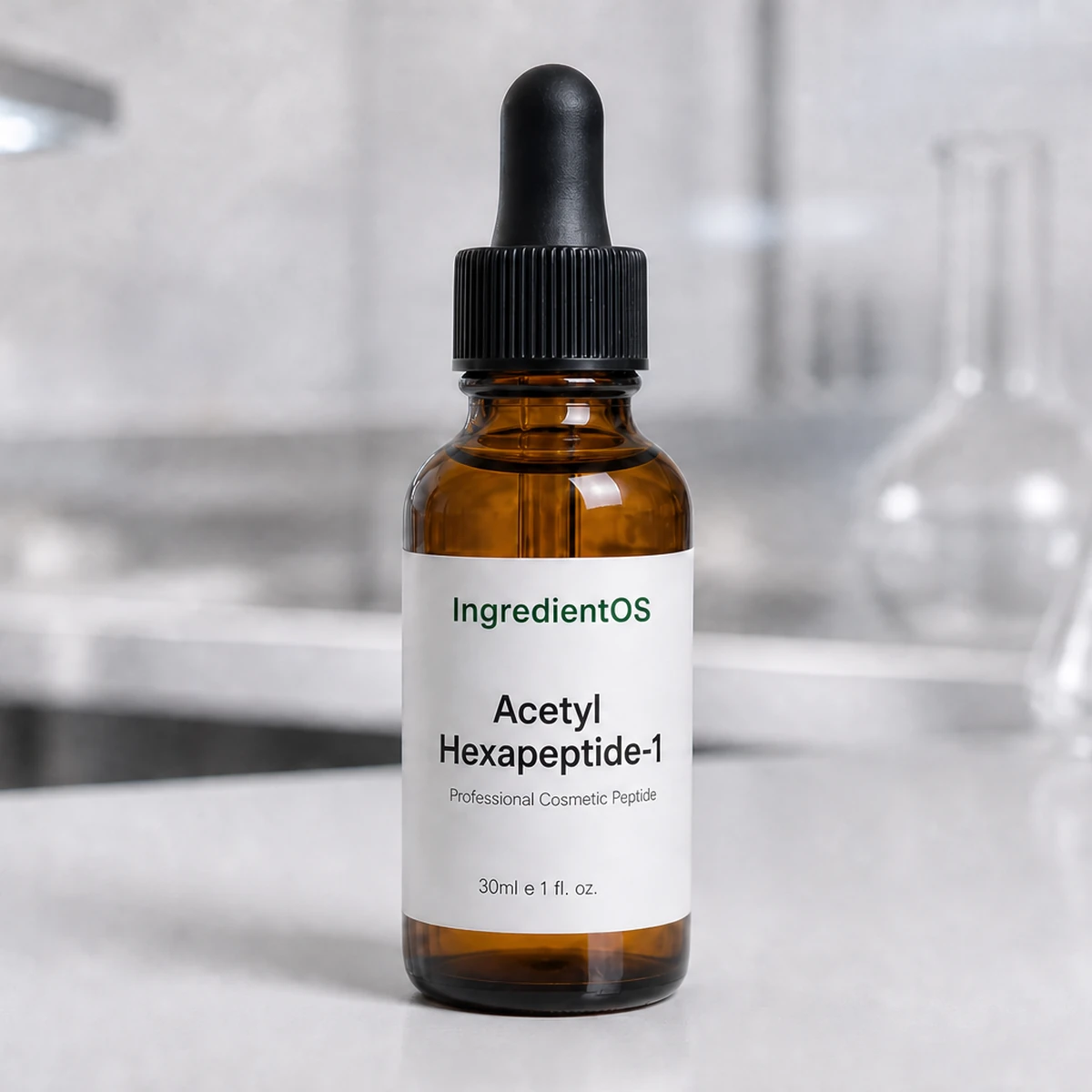
INCI: Acetyl Hexapeptide-1 (often supplied with a carrier/solvent system; confirm full INCI and active % on supplier CoA).
Usage Rate: Typical: dose to the supplier-recommended active level (commonly low single-digit % of a standardized solution, or the powder equivalent). Begin at the recommended level and adjust for the desired claim.
Powder sizes (metric · US)
Pricing available on request — wholesale quotes by packaging size.
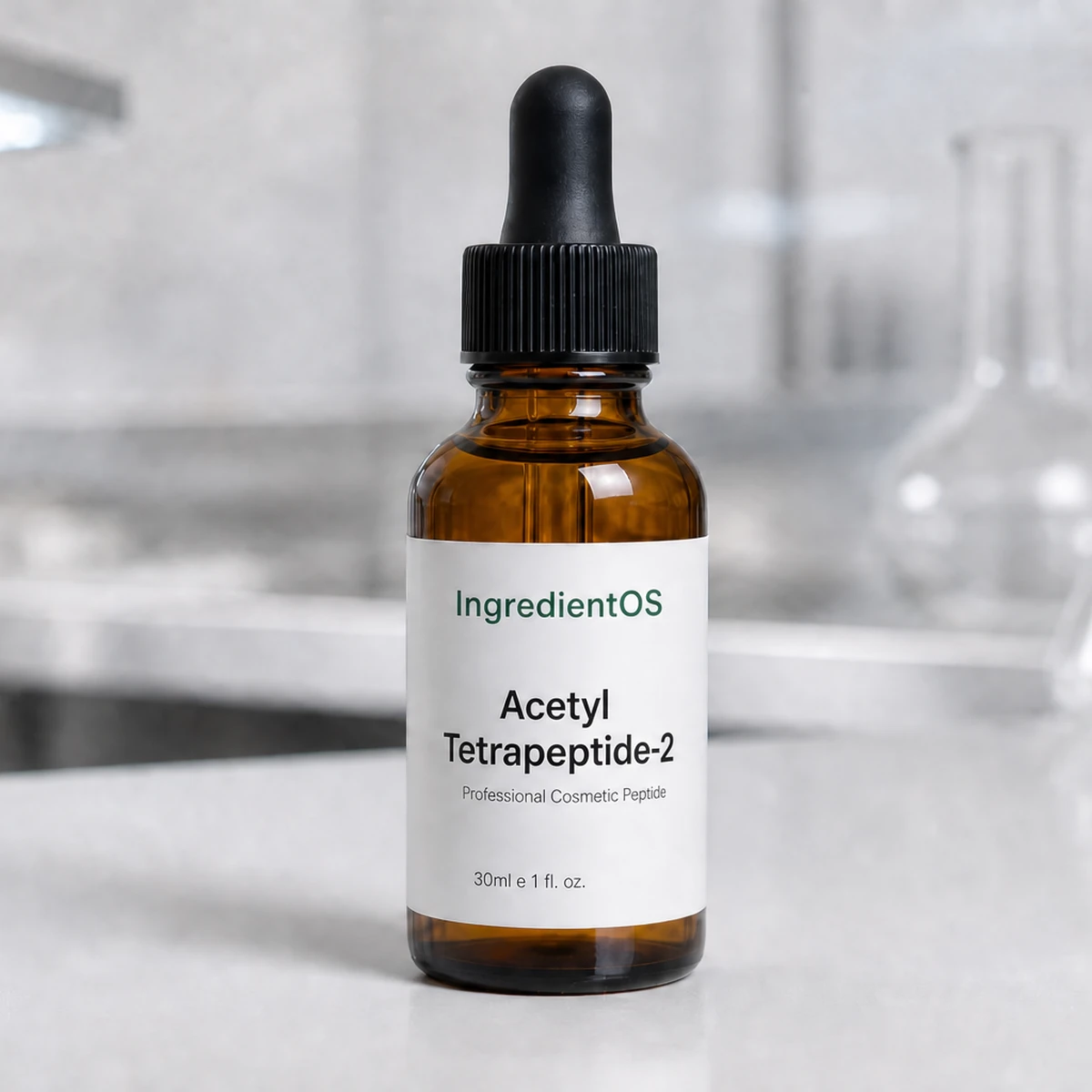
Acetyl Hexapeptide-1 is a biomimetic peptide best known under the trade name Melitane, and it occupies a distinctive niche in the peptide world: rather than targeting wrinkles or firmness, it is positioned around skin tone, radiance, and a warm, healthy-looking glow. It is a six-amino-acid sequence, acetylated for stability, designed as an agonist of the melanocortin 1 receptor (MC1R) pathway — the same signaling system that governs the skin's natural production of eumelanin, the pigment associated with a uniform, sun-kissed appearance and with photoprotective tone.
The biology behind Acetyl Hexapeptide-1 is what makes it interesting. Melanocytes, the pigment-producing cells of the skin, respond to a hormone called alpha-MSH (alpha-melanocyte-stimulating hormone) by increasing melanin synthesis through the MC1R receptor. Acetyl Hexapeptide-1 is engineered to mimic alpha-MSH at this receptor, gently supporting the skin's own melanin pathways. In cosmetic terms, this translates into two complementary narratives. First, a "radiance and even-tone" story: by supporting balanced, uniform melanin activity, the peptide can help skin look more even, warmer, and more luminous, reducing the dull, sallow, or patchy appearance that comes with uneven pigmentation. Second, a "glow and resilience" story: because eumelanin is the skin's own tone-and-protection pigment, supporting its natural production aligns with a healthy, vital, well-toned complexion — a useful angle for products aimed at lackluster, stressed, or environmentally challenged skin.
This makes Acetyl Hexapeptide-1 a flexible active for a range of positioning. It can anchor a "radiance" or "glow" serum, support an "even-tone" treatment, feature in after-sun and post-exposure products that emphasize a healthy bronzed look, and add a differentiated peptide angle to products for dull or fatigued skin. Because its mechanism is tied to the skin's natural pigment signaling, it offers a story that stands apart from the crowded wrinkle-peptide space and pairs well with brightening and antioxidant systems for a comprehensive tone-and-luminosity claim.
For formulators, the ingredient is practical and elegant. It is water-soluble and supplied as a fine powder (in this case), which is dissolved into the water phase of a formula. As with all peptides, it should be added during the cool-down stage to avoid degradation from prolonged heat, kept at a mild, skin-friendly pH, and protected from strong oxidizers and high electrolyte loads. Its clean solubility and low color suit transparent serums, essences, and lightweight gels, as well as light emulsions. Robust preservation is essential, as with any water-based active.
Compatibility is broad. Acetyl Hexapeptide-1 works beautifully alongside hydrators such as hyaluronic acid and glycerin, antioxidants like vitamin E and ferulic acid, soothing agents, and other peptides. In a "tone and glow" serum, it can be paired with niacinamide and antioxidant complexes to build a multi-benefit luminosity claim. It is non-irritating and suitable for sensitive skin, and because it supports rather than forcefully alters skin biology, it fits comfortably into gentle, daily-use, leave-on formats. As with other treatment peptides, the benefit is cumulative and contact-time-dependent, so leave-on serums and creams are the appropriate vehicles rather than rinse-off products.
The consumer-facing benefits are easy to communicate and emotionally appealing: a warm, even, lit-from-within glow; a more uniform, healthy-looking tone; reduced dullness; and a vital, refreshed complexion. For a launch range, Acetyl Hexapeptide-1 offers a way to include a "radiance peptide" that differentiates the line from competitors who only offer wrinkle peptides, and it provides a credible, mechanism-based story for the increasingly popular "glow" and "even-tone" categories. It can serve as a hero in a dedicated radiance serum or as a supporting peptide in a multi-active brightening formula.
The main formulation disciplines mirror those of other peptides: respect the supplier's recommended use level, dissolve fully in the water phase, add during cool-down, maintain an appropriate pH, and preserve robustly. Handled correctly, Acetyl Hexapeptide-1 (Melitane) brings a sophisticated, biology-driven radiance and even-tone benefit to a launch collection — a peptide that helps skin look warmer, brighter, and more uniformly luminous, with excellent tolerability and broad formulation flexibility.
It supports the skin's natural melanin pathways for a warmer, more even, radiant-looking tone.
No — it is a peptide that supports the skin's own pigment signaling for a healthy glow, not a DHA-based tanning agent.
Yes — it is non-irritating and well tolerated in leave-on formulas.
Radiance/glow serums, even-tone treatments, after-sun, and dull-skin formulas.
Yes — it pairs well with niacinamide, antioxidants, and hydrators for a tone-and-luminosity claim.